Employers' Essential: Accident Report Form
When an accident occurs at the workplace, it's crucial for employers to document the incident accurately and promptly. An accident report form serves this purpose, ensuring that all relevant details are recorded, and necessary actions can be taken. This article explores the importance of accident report forms, their key components, and how to use them effectively.
In the aftermath of a workplace accident, emotions may run high, and important details can slip through the cracks. A well-structured accident report form guides employees through the process of capturing all essential information, leading to more thorough and reliable records.
Understanding the Importance of Accident Report Forms
Accident report forms play a pivotal role in maintaining a safe workplace and protecting both employees and employers. Here's why they are indispensable:


Legal Compliance
In many jurisdictions, it's a legal requirement for employers to maintain records of workplace accidents. Failing to do so can result in penalties and compromised worker's compensation claims.
By using an accident report form, employers can demonstrate compliance with labor laws and Occupational Safety and Health Administration (OSHA) regulations, thereby reducing the risk of fines and lawsuits.


Risk Assessment and Prevention
Accident report forms help employers identify trends and patterns in workplace incidents. By analyzing reports, they can pinpoint hazards, develop targeted safety measures, and ultimately prevent future accidents.
Furthermore, these reports serve as valuable resources when reviewing and updating safety protocols, training programs, and emergency response plans.
The Anatomy of a Comprehensive Accident Report Form
To ensure that all necessary information is captured, accident report forms typically include the following sections:


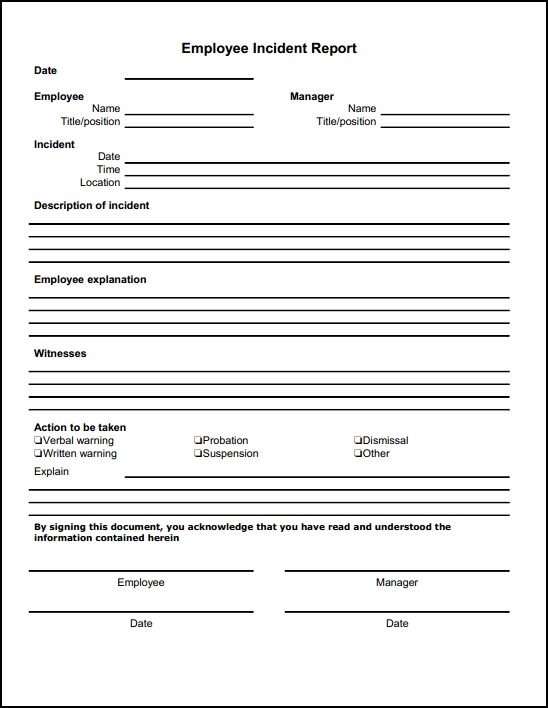


1. **Incident Description**: A detailed account of the accident, including the time, location, and nature of the incident.
2. **Involved Parties**: Information about the employees and/or third parties involved in the accident, such as contact details, injuries sustained, and the extent of medical attention required.
Crucial Information to Include
3. **Cause of the Accident**: An analysis of what led to the accident, along with any contributing factors or underlying issues.

4. **Injuries and Damages**: A thorough description of the injuries or damages resulting from the accident, including medical treatment sought and any time off work required.
Additional Useful Details
5. **Witnesses**: Contact information for any witnesses who can provide additional insight into the accident.
6. **Personal Protective Equipment (PPE)**: A mention of any relevant PPE that should have been used but wasn't, or malfunctioned during the incident.
Submitting and Managing Accident Report Forms
Once an accident report form has been completed, it's essential to submit it to the appropriate person or department for review and further action.
Establishing a Clear Submission Process
An efficient submission process ensures that reports reach decision-makers promptly, facilitating swift action and minimizing the risk of loss or misplacement.
Employers should designate a responsible person or team to collect, review, and manage accident reports. Additionally, providing multiple submission channels (e.g., hard copy, digital, or email) can enhance accessibility and convenience for employees.
Accident Report Storage and Retrieval
Stored accident reports serve as valuable historical records, enabling employers to identify trends, assess the effectiveness of safety measures, and demonstrate legal compliance.
To facilitate this, employers should maintain an organized system for storing and retrieving accident reports. This can be achieved through physical filing systems or digital platforms that allow for easy search and retrieval.
In closing, accident report forms play an instrumental role in maintaining safe, compliant, and productive workplaces. By understanding their importance, embracing their key components, and implementing an efficient submission and management process, employers can foster a culture of safety and continuous improvement.
Related Articles
Accident Form NZ: Fill Out Your NZTA Accident Report Here
In the unfortunate event of an accident, being equipped with the necessary knowledge and tools is crucial. For New Zealand residents, understanding how to fill...

Work Accident & Illness Report Form
Work accidents and illnesses are unfortunate yet inevitable parts of many work environments. When these incidents occur, it's crucial to document them...
Scout Accident Report Form Template
Imagine you're a Scout leader, out in the great outdoors with your troop. Suddenly, an accident occurs. You're prepared with a first-aid kit, but now you need...

Accident Report Form Template PDF
Accident forms are integral to any workplace or establishment, serving as a critical record of incidents for future reference and analysis. A well-structured...
Accident Report Form Template for Ireland
In the unfortunate event of an accident, having a well-structured accident report form is crucial for documenting the incident, timely response, and potential...

Traffic Accident Investigation Report Form Sample
A meticulous traffic accident investigation report form is crucial for accurate incident documentation, swift resolution, and potential legal or insurance...