Best Research Paper Presentation Templates
When it comes to showcasing your research findings, the first crucial step is crafting an informative and engaging presentation. This process begins with selecting a suitable research paper presentation template. A well-designed template not only enhances the visual appeal of your presentation but also facilitates better comprehension of your content.
In this comprehensive guide, we'll explore the best research paper presentation templates, delving into key elements, popular choices, and how to tailor these templates to suit your specific needs. We'll also discuss best practices to ensure your presentation is engaging, insightful, and effectively communicates your research.
Understanding Research Paper Presentation Templates
A research paper presentation template serves as a blueprint for your slides, predefining layouts, color schemes, and fonts.Choosing the right template helps maintain a consistent format, saving you time and effort during the creation process.


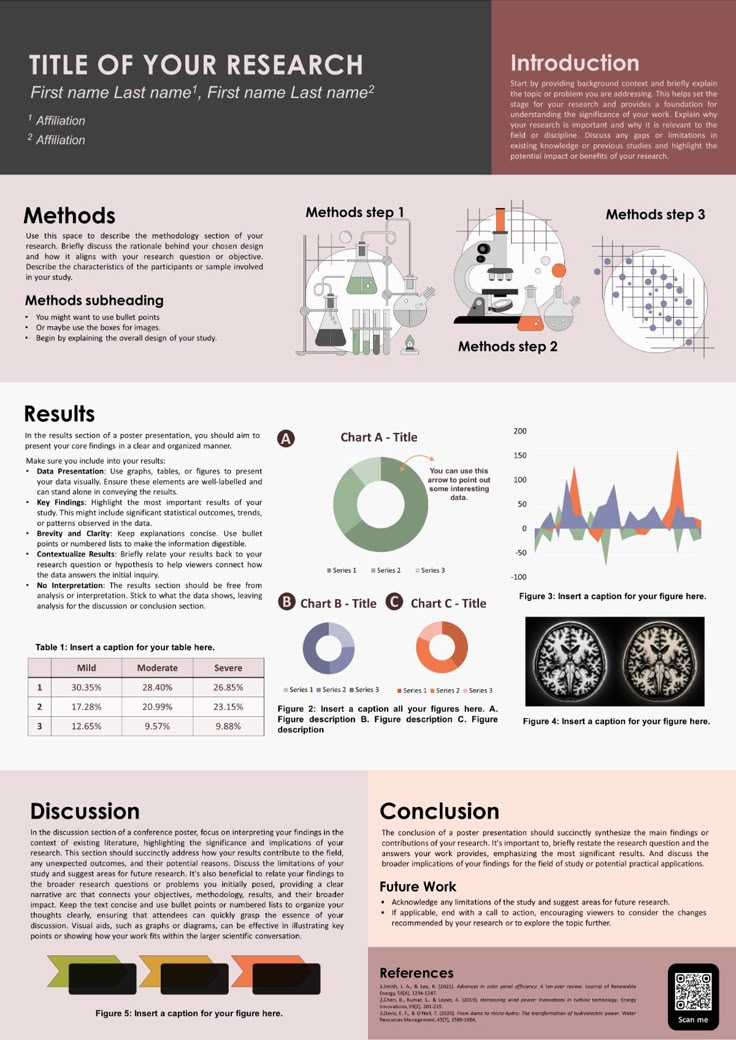
Templates can be as unique as your research topic. They can be formal or casual, slides heavy or text-heavy, depending on your target audience and the type of presentation you want to deliver. However, the best templates share common characteristics: they're visually appealing, easy to navigate, and allow your content to shine.
Standalone vs. Master Slide Templates
Standalone templates are self-contained files that include slides predefined with various layouts and designs. You open these templates and begin adding your content directly onto the slides.


Master Slide templates, on the other hand, are more customizable. In these templates, you design the master slide, which then acts as a foundation for all subsequent slides, allowing for greater control over the final output.
Popular Research Paper Presentation Templates
Numerous free and paid research paper presentation templates are available online. Some popular choices include:
- simple and professional templates from websites like Slideteam or slideroll;
- customizable templates like V.Properties Free Range from Behance;
- templates designed for specific fields of study, like clinical research templates from Medscape;
- templates optimized for specific presentation software, such as PowerPoint or Google Slides.
Before selecting a template, consider your presentation's objectives, your personal style, and the preferences of your target audience.


Tailoring Your Research Paper Presentation Template
Once you've chosen a template, personalize it to ensure it reflects your research and enhances your message. Here's how:
Color Scheme
Use colors that complement your template's design and reflect the tone of your presentation. Darker colors can evoke seriousness, while brighter ones can convey optimism or energy. Be mindful of color contrast to ensure text readability.
Tip: Aim for a contrasting background and text color for better accessibility. Use tools like WebAIM's Contrast Checker to ensure sufficient contrast.

Typography
Choose fonts that are clean, readable, and fit with your template's overall aesthetic. Different font types (e.g., serif, sans-serif) can convey different tones. For instance, sans-serif fonts are often associated with modernity and minimalism.
Tip: Limit your font choices to two or three to avoid a chaotic presentation.
Visuals
Leverage images, graphs, charts, and diagrams to illustrate your points. Ensure these visuals are integrated seamlessly into your slide design and align with your template's style.
Slides Organization
Structure your slides logically, with a clear introduction, methodologies, results, discussion, and conclusion. Each slide should focus on a single key point and transition smoothly to the next. Keep slide transitions simple and consistent with your template's design.
Best Practices for Research Paper Presentations
Beyond selecting and personalizing a template, consider these best practices:
Keep It Simple and Clean
Avoid cluttered slides by keeping text concise and focusing on one main idea per slide. Use the 'six-x-six' rule: no more than six lines of text or six data points per slide.
Use Hierarchy
Create a clear hierarchy of information using font sizes, bold or italic text, and bullet points. This guides your audience's attention and makes your slides easier to follow.
discoursed Your Content
Don't just read from your slides. Use them as a visual aid, fleshing out your talking points with engaging stories, anecdotes, or expert insights.
In the realm of presenting research papers, selecting the right template is akin to selecting the right canvas for an artist. It sets the stage for your content, enhancing its delivery and impact. By understanding and implementing these guidelines, you'll be well on your way to crafting captivating and effective research paper presentations.
Related Articles

"IEEE Research Paper Presentation Template: Engage Your Audience"
Embarking on the journey of presenting your IEEE research paper, you'll find that having a well-structured and visually appealing template can significantly...

Kinetic Paper Sculpture Templates: Bring Movement to Your Art
Kinetic paper sculpture templates offer a unique blend of art, science, and design, bringing two-dimensional paper to life in mesmerizing three-dimensional...

Easy-to-Print Adult Paper Crown Templates
Add a touch of whimsy to your adult parties or create a fun royal atmosphere at home with a paper crown template for adults. These DIY crowns are not only easy...

Best Excel Templates for Small Business in 2023
Embracing technology is pivotal for small businesses to thrive in today's competitive landscape. One tool that stands out in streamlining operations is...

Articulated Paper Dolls Templates
Articulated paper dolls have been a beloved toy for generations, allowing children and adults alike to express their creativity and imagination. These...

Best Farm Website Templates for Harvesting Success
In today's digitized world, having a robust online presence is not just an advantage, but a necessity, even for farmers and agricultural businesses. A...