Car Repair Agreement Template
A well-drafted car repair agreement can save you time, money, and potential legal hassles. It clearly outlines expectations, ensures accountability, and helps keep both parties – the vehicle owner and the repair shop – on the same page. Let's delve into the essential aspects you should consider when creating or scrutinizing a car repair agreement.
At its core, a car repair agreement is a legal contract between you and the repair shop. It should detail the work to be done, the cost, payment terms, and a timeline for completion. Yet, it's important not to overlook the fine print and other crucial elements that can protect your interests and ensure a smooth repair process.
Key Elements of a Car Repair Agreement
A comprehensive car repair agreement should cover the following key elements, providing a solid framework for your transaction.


Without these elements, you might find yourself in a precarious situation, facing unexpected charges, delays, or low-quality repairs.
Detail of Work to be Performed
Be specific about the repairs needed. Vague language can lead to misunderstandings and additional charges. List all agreed-upon work, including parts to be replaced and any diagnostic charges.


For example, instead of saying "repair transmission," specify "replace transmission fluid and filter, and rebuild transmission if necessary."
Estimated Costs and Payment Terms
Broken down labor and parts costs help you understand what you're paying for. Include taxes and any additional fees, like disposal charges or towing. Avoid agreements with blank lines where costs can be filled in later.
Clearly state the payment terms – deposit, balance due upon completion, or other arrangements. You might also include a clause about what happens if you fail to pay or the shop overcharges you.


Additional Clauses to Consider
Incorporating the following clauses can further protect your interests and ensure a successful repair process.
They provide added legal recourse should disagreements arise and help you feel confident that the shop has your best interest in mind.
Timeline for Repairs
Establish a realistic time frame for completing the repairs. The agreement should specify both a start and an end date. If the shop can't meet the completion date, they should be obligated to notify you and provide a valid reason.
Include a clause that allows you to cancel the agreement without penalty if the shop cannot meet the agreed-upon deadline.
Warranty and Guarantees
A reputable shop will stand behind their work. Ensure the agreement includes a warranty period (e.g., 30 days, 90 days, or a year) covering parts and labor.
Also, confirm that if the shop sells you a new part, it should come with its original manufacturer warranty.
Right to Approve or Disapprove Certain Repairs
To prevent the shop from performing unnecessary or unauthorized repairs, include a clause giving you the right to approve or disapprove additional work before they proceed.
This can save you money and ensure that the shop doesn't take advantage of your situation, especially if you've been stranded in their shop due to an unexpected breakdown.
Dispute Resolution
In case of a disagreement, include a clause outlining your dispute resolution process. This could involve mediation, arbitration, or simply agreeing to mutually resolve the issue.
If possible, include a clause stating that any frozen funds or deposits will be released to you in case of a legitimate dispute.
Before signing any car repair agreement, carefully read and understand all the terms. Don't hesitate to ask for clarification or negotiate clauses to protect your interests. Consider consulting with a legal professional if you're unsure about any aspect of the agreement. A well-crafted car repair agreement ensures a smoother, more transparent repair process, saving you time, money, and needless stress. Happy driving!
Related Articles
Car Accident Repair Agreement Template
If you've recently been involved in a car accident, you're likely navigating a complex process that involves dealing with insurance companies, considering...

Tenancy Agreement Addendum Template for BC (PDF)
When renting a property in British Columbia, a comprehensive tenancy agreement is a must-have document. It protects both the landlord's and the tenant's...

Lease Termination Agreement Template
A lease agreement is a legal contract that spells out the terms and conditions under which a property is rented to a tenant. While a well-drafted lease can...
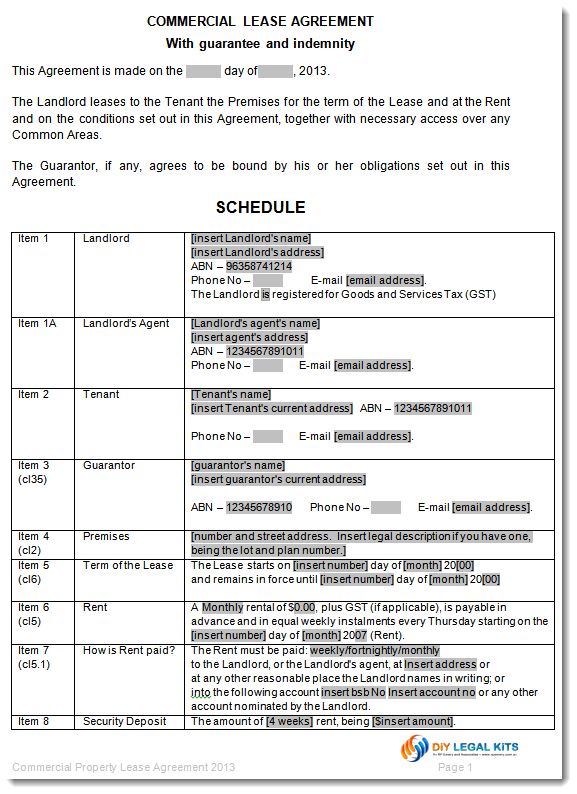
Commercial Lease Renewal Agreement Template
Navigating the complexities of commercial real estate involves a multitude of legalities, and one of the vital documents in this realm is the commercial lease...

QuickBooks Auto Repair Invoice Template
Streamlining your auto repair business with professional invoices is essential for timely payments and effective record-keeping. QuickBooks, the renowned...

Malaysia Tenancy Agreement Template - Word Format
Crafting a comprehensive tenancy agreement is crucial for both landlords and tenants in Malaysia. It sets clear expectations, outlines duties, and ensures the...