Renew Your Perfect Fit: Expert Tips for Commercial Lease Agreement Renewal
When your business has outgrown its current space or your lease is approaching its expiry, understanding the nuances of commercial lease agreement renewal becomes crucial. This process involves more than just signing a new document; it's an opportunity to reassess your business needs and negotiate terms that align with your future growth. Let's delve into the essential aspects and best practices for a successful commercial lease renewal.
First and foremost, it's important to understand that commercial lease renewal isn't a one-size-fits-all process. Each industry, property, and situation is unique, so what works for one business might not work for another. Therefore, it's wise to approach this task with a strategic mindset and a good understanding of the current market conditions.
Understanding the Basics of Commercial Lease Renewal
Commercial lease renewal refers to the process of extending your current lease agreement for another term, usually ranging from one to five years, depending on your business needs and market conditions. It's a critical step that can significantly impact your business's continuity, growth, and overhead costs.
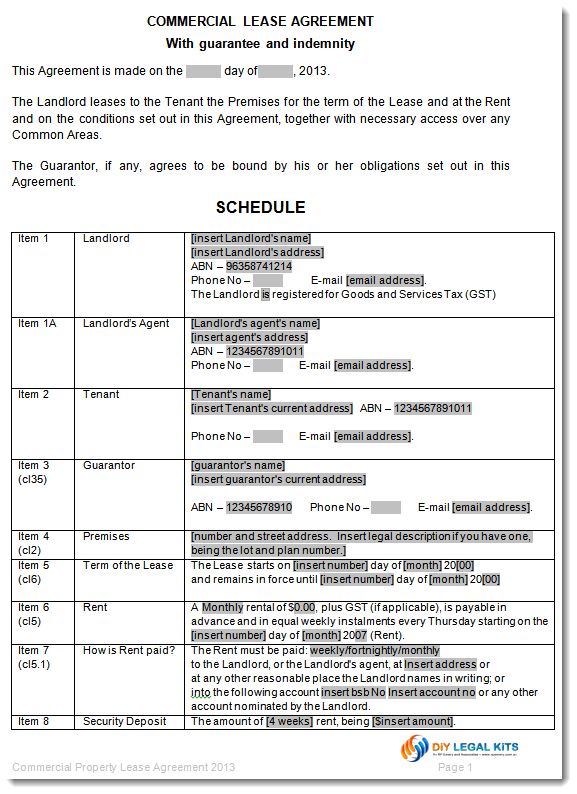


Before embarking on the renewal process, it's essential to review your current lease agreement, understand its terms and conditions, and identify any clauses that might restrict your ability to renew, expand, or modify the lease. This could include notice periods, penalties for early termination, or renewal conditions likeobelience to specific financial or operational criteria.
When to Start the Renewal Process
Timing is key in commercial lease renewal. You don't want to be caught off guard by an expiring lease or end up renewing too early and locking yourself into less-than-ideal terms. Most leases have a notice period for renewal, often ranging from six months to a year. It's advisable to start the process at least nine months to a year before your lease expires. This gives you ample time to assess your needs, explore options, and negotiate a new lease.


Understanding the Renewal Clause in Your Lease
A renewal clause outlines the conditions under which your lease can be renewed. It should specify the renewal period, notice period, and any conditions that must be met for renewal. If your lease doesn't have a renewal clause, you might need to negotiate one with your landlord. This could involve a detailed discussion about your business's growth trajectory, market conditions, and the property's current and futureAvailability.
Assessing Your Business Needs and Market Conditions
Before deciding whether to renew your lease, it's crucial to assess your business's current and future needs. Consider factors like your business's growth projections, space requirements, and budget. If your business has outgrown its current space or needs to downsize, now might be the time to explore different property options.
Market conditions also play a significant role in the renewal process. If the property market is hot, you might face stiff competition for lease renewals or be able to secure better terms due to high demand. Conversely, a soft market might give you more negotiating power but could also indicate potential challenges for your business.


Your Business's Growth Projections
When assessing your business needs, consider your company's growth projections. If you anticipate significant growth, you might need additional space or specific amenities to accommodate your expanded operations. Conversely, if your business is downsizing, you might need to scale back the size of your leased space. Understanding your growth trajectory helps you negotiate lease terms that support your business's long-term goals.
Market Conditions and Relevant Trends
Keeping abreast of market conditions and relevant trends can significantly influence your renewal negotiations. If the market is hot, landlords might increase rents or require long-term commitments. Conversely, a soft market could offer more favorable terms, like lower rents or shorter lease terms. Understanding market conditions helps you anticipate your landlord's negotiating position and make informed decisions about whether to renew your lease or explore other properties.
Exploring Your Options
Once you've assessed your business needs and market conditions, it's time to explore your options. This could involve considering other properties, negotiating with your current landlord, or even trying to purchase the property if that aligns with your business goals.
When exploring other properties, consider factors like location, size, amenities, flexibility, and, of course, cost. If you're negotiating with your current landlord, be prepared to discuss your business needs, any market conditions that might affect your decision, and the terms you want to see in a renewed lease.
Negotiating Your Commercial Lease Renewal
Negotiating a commercial lease renewal involves more than just discussing rent. It's an opportunity to renegotiate the terms of your lease to better reflect your current and future business needs. Here are some essential aspects to consider during your negotiations.
Rent and Other Financial Terms
Rent is typically the most significant variable in a commercial lease renewal. During negotiations, consider market rates, your business's cash flow, and your long-term financial goals. If your business is thriving, you might be able to secure a longer lease term and higher rent, which could benefit both you and your landlord. If your business is facing financial challenges, you might need to negotiate a shorter lease term or lower rent.
Flexibility and Lease Terms
Lease terms significantly impact your business's agility and long-term prospects. If your business is projected to grow rapidly, you might want to negotiate the right to renew your lease early, expand into additional space, or terminate the lease with minimal notice if your needs change. Conversely, if your business is stability-oriented, you might want to secure a long-term lease with minimal flexibility to lock in your occupancy costs.
Other lease terms to consider include renewal options, renewal periods, notice periods, subletting rights, and the assignment of your lease to another tenant. Each of these terms carries implications for your business's flexibility and long-term plans, so it's essential to understand their potential impacts before negotiating.
Maintenance and Improvement Clauses
Maintenance and improvement clauses outline each party's responsibilities for maintaining and improving the property. During negotiations, consider your business's needs and budget when discussing these clauses. If your business requires specific amenities or improvements, you might need to negotiate who will pay for them and who will reap the benefits.
Additionally, consider the condition of the property and who will be responsible for any necessary repairs or renovations. If the property is in poor condition, you might need to negotiate a contribution from your landlord to bring it up to your desired standards. Conversely, if the property is in excellent condition, you might want to agree on a clause that protects the landlord from having to make significant repairs or upgrades during your tenancy.
Finalizing Your Renewal Agreement
Once you've negotiated the terms of your renewal, it's time to finalize your agreement. This involves drafting a new lease agreement that includes all the terms you've agreed upon, reviewing it carefully, and signing it. Before finalizing the renewal, ensure you understand all the terms and clauses, and if possible, consult with a legal professional to review the document.
Renewing a commercial lease can be a complex process, but with careful planning, thorough assessment, and strategic negotiation, you can secure a lease that supports your business's long-term growth and success. Whether you choose to renew with your current landlord or explore other properties, the key is to approach the process proactively and make decisions that align with your business's needs, market conditions, and long-term goals.
Related Articles
Renew Your Toronto Commercial Lease: Ontario's Top Tips
Renewing a commercial lease in Ontario can be a complex process, but it needn't be daunting. With the right knowledge and a well-crafted commercial lease...

Renew Lease Agreement: It’s Your Option
Renewing a commercial lease agreement can be a critical decision for businesses, and understanding the renewal option in the agreement is crucial. This option...

Renew Your Lease in Ontario: Expert Letter Template & Tips
Are you a tenant in Ontario, Canada, nearing the end of your lease agreement and unsure about the next steps? A lease renewal letter is a crucial document that...

Renew Your Lease: Sample Letter for Tenancy Agreement
As a tenant, when your lease term is about to expire, it's crucial to understand the process of renewing your tenancy agreement. A well-crafted sample letter...

Renew Your Lease: Commercial Lease Renewal Options
The bell tolls for the expiration of your current commercial lease, and it's time to start planning your renewal strategy. With the right approach, lease...
Commercial Lease Renewal Agreement Template
Navigating the complexities of commercial real estate involves a multitude of legalities, and one of the vital documents in this realm is the commercial lease...