Crafting a Comprehensive Child Custody Schedule
Crafting a child custody schedule can be a complex process, especially when dealing with co-parenting responsibilities. However, creating a well-structured schedule can greatly enhance the quality of life for both the parents and the child, ensuring everyone's needs are met. In this guide, we'll explore the key aspects of creating an effective child custody schedule, from understanding your custody arrangement to scheduling holidays and vacations.
Before diving into the scheduling process, it's crucial to have a solid understanding of your custody arrangement. This knowledge will serve as the foundation of your child custody schedule. If you're unsure about the specifics of your arrangement, consult your custody agreement or seek legal advice.
Understanding Your Custody Arrangement
Familiarize yourself with the types of custody you've been granted - legal and physical. Legal custody gives you the right to make major decisions for your child, while physical custody determines where your child resides. Your arrangement may be joint (shared) or sole (one parent has custody and the other may have visitation rights).


Additionally, understand the schedule specified in your custody order. It may outline specific parenting time or visitation rights. While this is a starting point, it's essential to create a flexible and practical schedule that addresses the unique needs and demands of your family.
Temporary vs. Permanent Schedules
Temporary schedules, if necessary, should be reviewed and adjusted periodically to accommodate changes in the child's routine, the parents' work schedules, or other factors. The goal is to move towards a permanent, well-established routine that benefits all parties involved.


A well-structured permanent schedule can foster a sense of security and stability in the child's life. It ensures consistency and minimizes the need for frequent adjustments. However, be prepared to adjust the schedule as your child grows and their needs change.
Co-parenting Communication
Effective co-parenting communication is pivotal in creating and adhering to a successful child custody schedule. Open lines of communication enable both parents to address any concerns, discuss schedule changes, or adjust parenting plans as needed. Implementing a co-parenting communication strategy, such as using a shared family calendar or co-parenting apps, can streamline the process.
Moreover, maintaining a business-like tone in communications helps keep emotions in check, focusing instead on the best interests of your child. Consistency in your communication style promotes a healthy co-parenting environment and sets a positive example for your child.



Creating a Practical Schedule
Once you have a solid understanding of your custody arrangement and established open communication with your co-parent, it's time to create a practical child custody schedule. The goal is to develop a schedule that divides parenting time fairly, promotes your child's well-being, and accommodates both parents' work and personal lives.
Consider factors such as your child's age and developmental stage, school schedule, extracurricular activities, and each parent's work schedule when crafting your custody schedule. Regularly reviewing and adjusting the schedule as needed will help ensure its ongoing effectiveness.
Weekly Schedule
Start by creating a weekly schedule that outlines where your child will spend each day. Consider a 2-2-3 or 3-2-2-3 arrangement, where one parent has the child for two or three days, then the other parent has them for the same number of days, alternating weeks. This arrangement allows both parents to have significant time with their child while providing the child with a consistent routine.

Involve your child in creating the schedule, as appropriate, to encourage their sense of autonomy and ensure the weekly plan aligns with their preferences. Adjust the schedule as needed based on your child's school calendar, assemblies, field trips, or other significant events.
Holiday and Vacation Schedules
Divide holidays and vacations between the parents in a fair and equitable manner. Consider alternating major holidays, like Christmas and birthdays, so each parent gets to celebrate these special days with their child consecutively. Avoid dividing holidays in half, as this can be disruptive for the child's sense of family and tradition.
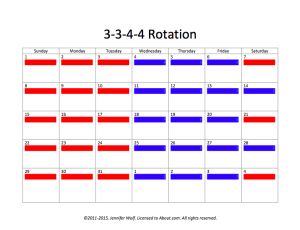
For summer and other extended vacations, consider a 2-2-5-5 or 3-3-4-4 arrangement, with each parent having custody for two or three weeks, followed by the other parent having custody for five or four weeks. This arrangement allows each parent to have a longer period with the child during their extended breaks, without spending too much time apart.
It's crucial to maintain flexibility and understanding when adjusting your child custody schedule. Life changes, and unexpected events may arise. By fostering an atmosphere of cooperation and compromise, you can quickly adapt your schedule to meet the evolving needs of your family.
Related Articles

Relocation & Child Custody: Crafting a Compelling Letter
A relocation letter regarding child custody can be a critical document in a parent's toolkit when faced with life-changing circumstances. It serves as a formal...
Create a fetched Custody Schedule: Easy and Effective Ideas
Creating a custody schedule can be a daunting yet crucial task in co-parenting. It's essential to establish a clear routine that meets the needs of your...

Child Custody Calculator Ontario: Determine Your Parenting Schedule
Navigating child custody arrangements in Ontario can be complex and emotionally charged. A child custody calculator can serve as a helpful tool during this...
Crafting Effective Custody Schedules: Tips for Parents
When navigating the complexities of family law, one of the most critical aspects to consider is the custody schedule. This document outlines the time that...

Standard Texas Child Custody Schedules: What You Need to Know
Child custody arrangements in Texas, as in many other states, aim to serve the best interests of the child. The standard custody schedule, often referred to as...

Texas AG Child Custody Calendar: 2023 Schedule, Important Dates
The Texas Attorney General's Office provides a detailed child custody calendar for 2023 to assist parents, guardians, and attorneys in understanding and...