Cut and Dried Idiom Explained: Definition and Use
The phrase "cut and dried" is an idiom that's been a part of the English language for centuries, and it's one that we use regularly without even considering its true meaning or origin. But what exactly does "cut and dried" mean, and where did this peculiar phrase come from?
At its core, an idiom is a phrase or expression that has a figurative meaning unlike its literal definition. They're often derived from historical, cultural, or regional contexts and can vary quite a bit from one language to another. "Cut and dried," like many idioms, is a great example of this.
Origin and Literal Meaning
The journey of "cut and dried" begins in the late 15th century. The literal origin of this phrase comes from the processes of preserving herbs and other plants, an essential skill in the era before refrigeration. To preserve herbs for future use, people would dry them after cutting; thus, the action of 'cutting' and 'drying' became associated with preparedness and foresight.


In this literal sense, 'cut and dried' simply refers to something that has been prepared in advance. However, over time, this phrase evolved into an idiom with a much broader meaning.
"Cut and Dried" as an Idiom
Today, when we say something is "cut and dried," we're not talking about herbs or preservation methods. Instead, we're using this phrase to describe something that is clear, simple, or already decided. To say that an issue or problem is "cut and dried" is to imply that there's no need for further debate or discussion because the solution is obvious or has already been determined.


In essence, when something is 'cut and dried,' the situation is straightforward, and there's no room for ambiguity or doubt. It's a situation that's already been 'cut' (dealt with) and 'dried' (allowed to settle or solidify into a definitive state).
Usage and Examples
Using "cut and dried" in a sentence helps to emphasize the simplicity or finality of a situation. Here are a few examples:
- "The test results are cut and dried - either you pass or you fail."
- "The business deal was cut and dried; there were no hidden clauses or surprises."
- "His decision to study abroad was cut and dried; he didn't even consider other options."
In each of these examples, the use of "cut and dried" highlights the clear, uncomplicated nature of the situation being described.

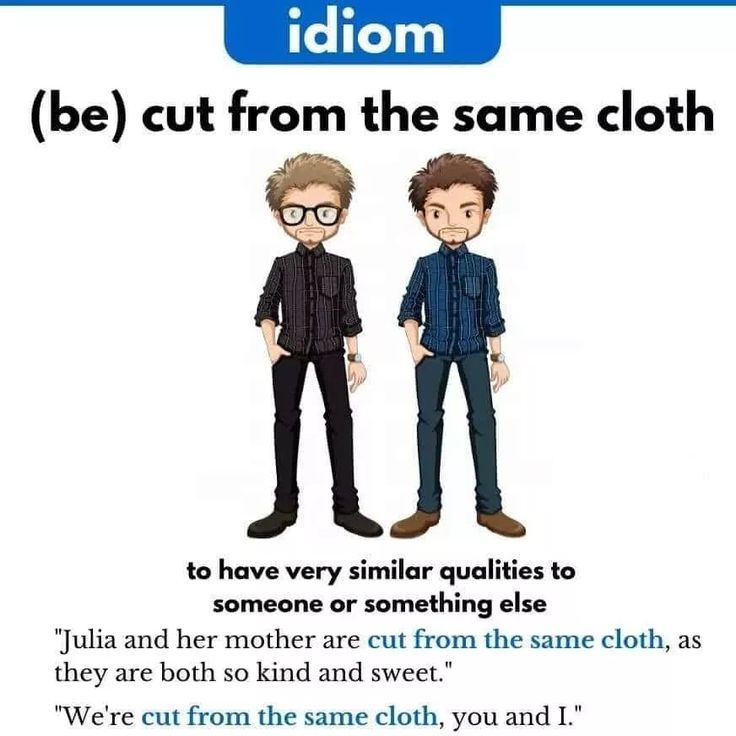


The Evolution of Idioms
Idioms like "cut and dried" offer a fascinating glimpse into the history and evolution of language. Sometimes, the connection between the literal and figurative meanings can be easily traced, while other times, the origins become obscured by time and usage. However, one thing is certain: idioms are an integral part of how we communicate, and they add color, depth, and richness to our language.
Moreover, understanding idioms is crucial in both day-to-day conversation and in written communication, as they can significantly alter the meaning and tone of a message. By grasping the true meaning of idioms, we gain a deeper understanding of the language and culture they originate from.
Learning and Teaching Idioms
For those learning English as a second language, understanding and utilizing idioms can be a significant challenge. Language students may find it helpful to focus on a handful of common idioms at a time, learning their literal origins and their figurative meanings. Similarly, teachers may want to incorporate idiom identification and usage into their language arts or English classes.

By incorporating idioms into everyday conversations andwriting, we engage with language in a livelier, more vibrant way. We invite others to join us in this dance of communication, dodging misunderstandings and embracing shared meaning. So go ahead, use "cut and dried" in your next conversation - you're not just using a phrase, you're connecting with a piece of language history.
Next time you find yourself in a clear-cut, straightforward situation, remember the humble herbs and their preserving pioneers. Then, confidently declare, "This is a cut and dried case." After all, language is a living, breathing entity, and understanding its idioms helps us speak its rich, vivid dialect.
Related Articles
Cut and Dried Idiom Meaning: Unpacking the Popular Expression in Phrases
The idiom "cut and dried" is widely used in English, yet its meaning might elude speakers unfamiliar with historical or legal contexts. Understanding this...

Understanding "A Dime a Dozen: Idiom Definition & Meaning"
Ever found yourself in a situation where something is so common or inexpensive that it's essentially valueless? Chances are, you've encountered the idiom "a...

Cut and Dried Idiom Meaning in Hindi
In the vast realm of English idioms, "cut and dried" is a phrase that has been puzzling non-native speakers for years. Originating from the 16th century, this...
Cut & Dried Idiom Meaning in Hindi: Sentence & Explanation
In the vast world of idioms, one phrase that grabs our attention is "cut and dried". Originating from the 16th century, this idiom has been widely used in...

Cut and Dried Meaning in Hindi: Explained
The phrase "cut and dried" is an idiom widely used in English, but what does it mean in Hindi? In this article, we will delve into the origins, translation...

What Are 'Donkey's Years'? Idiom Meaning Explained
The idiom 'donkey's years' is a quintessentially British expression that's been puzzling non-native speakers and younger generations for decades. It's a...