Develop Workplan: Your Step-by-Step Blueprint
Crafting a well-structured workplan is an invaluable strategy to achieve project success. It serves as a roadmap, guiding your team's efforts and ensuring objectives are met within given timelines and resources. Let's delve into the aspects of developing an effective workplan, maximizing your chances of triumph over any venture.
Before we embark on this journey, it's crucial to understand the essence of a workplan. Essentially, it's a detailed, step-by-step plan outlining the tasks, deadlines, milestones, resources, and responsible parties for reaching your project's goal.
Establishing Workplan Fundamentals
The foundation of any sound workplan rests on well-defined objectives and milestones. These provide clear targets for your team and keep everyone aligned throughout the project.


Objectives should be SMART - Specific, Measurable, Achievable, Relevant, and Time-bound. This ensures expectations are clear, and success can be evaluated once the project wraps up.
Setting Clear Objectives
Start high-level. Define what your project aims to achieve comprehensively. An example could be: "Implement a new CRM system, enhancing sales productivity by 20% within six months."


Once broad objectives are set, break these down into specific, measurable goals. For instance, "Conduct CRM software evaluation and select the most suitable solution by the end of Month 2."
Defining Milestones
Milestones mark significant achievements or progress points in your project. They help track advancements and understand if you're on course to meet your deadlines.
Milestones could comprise completing a phase, achieving a specific production rate, or securing necessary approvals. Back to our CRM example, a key milestone might be "Having all data migrated to the new system and users trained by the end of Month 5."

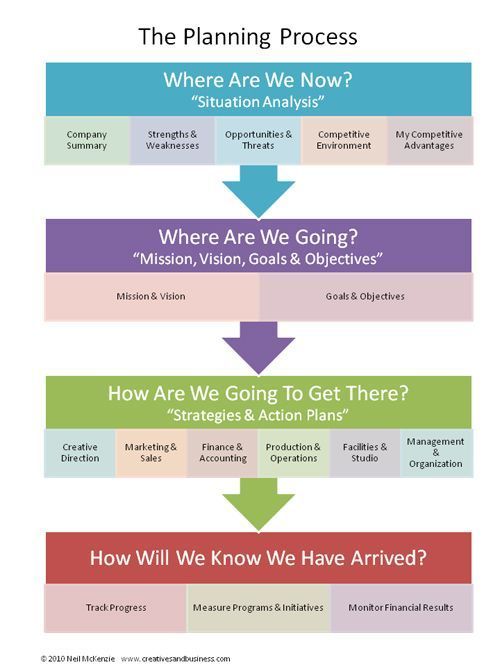


Constructing the Workplan Canvas
With clear objectives and milestones set, it's time to fill in the details. Begin by identifying tasks necessary to fulfill each goal and reach every milestone.
Your workplan should be a living, breathing document - flexible enough to accommodate changes without stalling the project's progress.
Breaking-down Tasks
Tasks should be specific, scoped, and allocated to a team member or sub-team. Include start and end dates, and clearly define the output or deliverable for each task.

Using our CRM example, a task might read: "Marketing Research" - Assigned to Marketing Team Lead, with a start date of January 15th, and an end date of January 31st. The deliverable should be a comprehensive list of potential CRM software options.
Streamlining Task Dependencies
Not all tasks are independent. Some rely on others for completion. Identify these dependencies and structure your workplan accordingly.
For instance, "CRM Software Evaluation" (due February 15th) depends on the completion of "Marketing Research" (due January 31st). If the research isn't finished, the evaluation can't begin.
Effective communication, regular reviews, and a continuous feedback loop are integral to ensuring your workplan remains relevant and robust. Stay aligned with your team, remain adaptable, and celebrate every victory along the way. After all, every triumphant project is a testament to the art of workplan engineering.
Related Articles

Snitch Profit Blueprint: Your Step-by-Step Guide
In the dynamic world of crime and law enforcement, the notion of a "snitch profit" has long been a controversial topic. This terms refers to the financial...

Mastering Test Series: Your Ultimate Strategy Blueprint
Devising a robust testing strategy for any series, be it software, games, or any other product range, is a critical success factor. This strategy should ensure...

OSHA Color Guidelines: Your Safety Blueprint
The Occupational Safety and Health Administration (OSHA) sets forth a comprehensive suite of regulations and guidelines to ensure a safe and healthy workplace...

How to Number Your Family Tree: A Step-by-Step Guide
Numerical notation is a vital aspect of creating an organized and easy-to-navigate family tree. It helps establish clear lines of descent and can make it...

3D Print Your Own Lego Stormtrooper: A Step-by-Step Guide
Immortalize your favorite Star Wars character or inspire your kids' creativity with a 3D printed Lego Stormtrooper model . The intersection of Lego, 3D...

Xbox One Blueprint: Design Your Ultimate Game Room
Discover the ultimate gaming flexibility with the Xbox One Template , a versatile platform that caters to a wide range of gamers, from casual enthusiasts to...