does verbal agreement count as lease?
A verbal agreement, often referred to as a "handshake deal," can indeed serve as a lease, provided certain conditions are met. In legal terms, this is known as a "contract," and it can be just as binding as a written one. However, it's crucial to understand the intricacies and potential pitfalls of verbal leases to ensure both parties' rights are protected.
In this comprehensive guide, we'll delve into the legal aspects of verbal leases, their benefits, pitfalls, and why understanding these aspects can save you from potential legal headaches. We'll also explore how to ensure your verbal lease agreement is enforceable and what steps you can take to protect your interests.
Verbal Leases: Legally Binding Agreements
A verbal lease is a legally binding contract, provided it contains all the necessary elements of a valid contract. These elements include an offer, acceptance, intention to create legal relations, and consideration (something of value exchanged between the parties).


In the context of a lease, the 'consideration' is the promise by the tenant to pay rent and by the landlord to provide habitable premises. Therefore, as long as these elements are present, a verbal lease can hold up in court.
Oral Leases vs Written Leases: légale Differences
Despite their legal validity, oral leases are generally discouraged in favor of written leases. The main reason is that written documents serve as concrete evidence of the agreement, which can be crucial in case of a dispute. With an oral lease, you're relying on memory and witnesses, which can be unreliable.


Moreover, many states have 'statute of frauds' laws that require certain agreements, including leases over a specific duration, to be in writing. Even if your state doesn't have such a law, the practical challenges of enforcing a verbal lease can make it an uphill battle.
Documenting Verbal Leases: Best Practices
While a verbal lease can be valid, it's always best to put it in writing, even if it's just a brief, handwritten document. This document should summarize the key terms of your agreement, such as the rent amount, the duration of the lease, and any special conditions.
It's also a good idea to have witnesses sign the document, and ideally, have it notarized. This adds an additional layer of legality to your agreement, making it more likely to hold up in court if necessary. But remember, even without these steps, a verbal lease can still be valid if it has all the necessary elements of a contract.


The Benefits and Pitfalls of Verbal Leases
Verbal leases aren't inherently good or bad; they have their benefits and drawbacks. Understanding these can help you decide whether a verbal lease is the right choice for your situation.
Benefits of Verbal Leases
Verbal leases can be more flexible, allowing both parties to make changes to the agreement more easily. They can also be quicker to establish, as there's no need to draw up formal documents. This can be particularly useful for short-term or temporary arrangements.
Moreover, a verbal lease can foster a more personal, trusting relationship between the landlord and tenant, which can lead to a more comfortable living arrangement.
Pitfalls of Verbal Leases
Despite their benefits, verbal leases come with significant risks. These include the potential for misunderstandings, the difficulty of proving the terms of the lease in case of a dispute, and the lack of a clear record of the agreement.
The absence of a written document can also make it difficult to hold either party accountable if they breach the agreement. For example, if the tenant stops paying rent, the landlord may find it challenging to prove the verbal arrangement without solid evidence.
The Importance of Clear Communication
Given the risks associated with verbal leases, clear and consistent communication is paramount. Both parties should discuss and agree on the lease terms, including the duration, rent amount, security deposit, and any conditions or restrictions. It's also wise to discuss how changes to the agreement will be handled.
Regular check-ins can help prevent misunderstandings and ensure that both parties are satisfied with the arrangement. However, it's crucial to remember that even with perfect communication, verbal leases can still be legally complex.
Enforcing Verbal Leases: What Can Go Wrong?
While verbal leases can be enforced, the process can be complex and time-consuming. This is largely due to the difficulties in proving the terms of the agreement, which can lead to lengthy and costly court battles.
Disputes over Terms
One of the most common disputes in verbal leases involves the terms of the agreement. This can include disagreements about the rent amount, the lease duration, or the condition of the property.
Proving the terms of a verbal lease often relies on the testimony of witnesses. However, witness testimony can be unreliable, and juries may be skeptical of claims based solely on memory. This can significantly weaken your case and make it harder to enforce the lease.
Evidence and Burden of Proof
In a court of law, the person bringing the case (the plaintiff) must prove that the verbal lease existed, and that the other party breached it. This can be challenging with a verbal lease, as there's no written document to serve as evidence.
In some cases, other forms of evidence, such as bank statements showing regular rent payments, can be used to support your claim. However, these forms of evidence can be circumstantial, and their admissibility can depend on the judge's discretion.
Statute of Limitations
Another potential downside of verbal leases is the statute of limitations. This is the time limit within which you must file a lawsuit after a breach of contract. The length of this period varies depending on the state and the type of breach.
In many cases, the statute of limitations for oral contracts is shorter than for written contracts. This can make it more difficult to bring a claim based on a verbal lease, as you may have less time to gather evidence and prepare your case.
Despite these challenges, it's essential to remember that verbal leases can still be enforced, provided they have all the necessary elements of a contract. However, it's often in the best interest of both parties to put the terms in writing, even if it's a brief, handwritten document.
In conclusion, while verbal leases can be legally binding, they're generally discouraged in favor of written leases. The flexibility and speed of a verbal lease can be appealing, but the potential risks and the challenges of enforcement make a written lease a safer, more reliable choice. However, if you do find yourself in a verbal lease agreement, it's crucial to understand your rights and responsibilities, to communicate clearly with the other party, and to document the terms as best you can. By doing so, you can help protect your interests and navigate the complexities of this unique legal landscape.
Related Articles

Does A Verbal Agreement Hold Up In Court?
In the legal landscape, agreements come in various forms, each carrying distinct weight in a court of law. A common query concerns the validity of verbal...
Does Verbal Agreement Hold Up in Court?
In the fast-paced world of business and everyday life, agreements often happen on a handshake, with no formal contract in sight. But the question remains, does...

Lease Termination Agreement Template
A lease agreement is a legal contract that spells out the terms and conditions under which a property is rented to a tenant. While a well-drafted lease can...
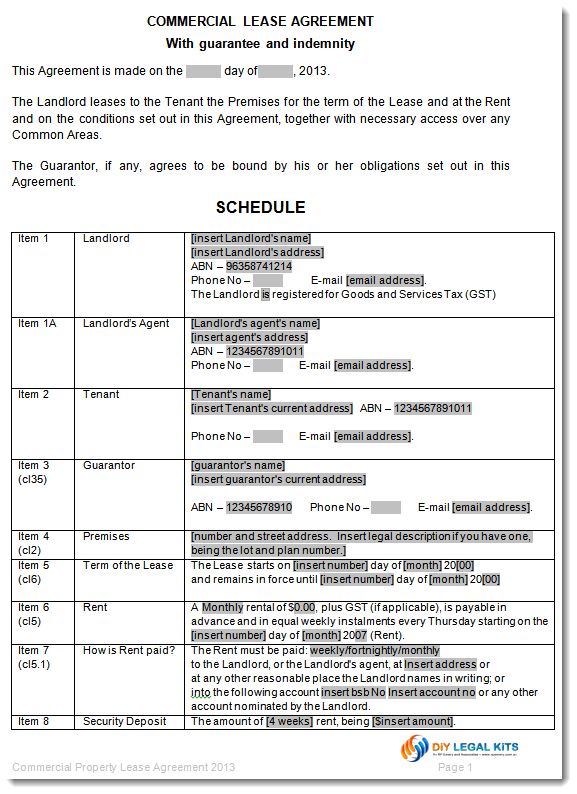
Commercial Lease Renewal Agreement Template
Navigating the complexities of commercial real estate involves a multitude of legalities, and one of the vital documents in this realm is the commercial lease...

Truck Lease Agreement Format
A truck lease format is a crucial document governing the terms and conditions of leasing a commercial truck. Understanding its intricacies ensures a smooth...
Letter of Intent vs Lease Agreement
A Letter of Intent (LOI) and a Lease Agreement are both critical documents in real estate transactions, but they serve different purposes and have distinct...