Is Real Gold Leaf Pricey?
Gold leaf has been a symbol of opulence and status for centuries, captivating humanity with its mesmerizing luster and pristine beauty. A common query that often arises is: "Is real gold leaf expensive?" The short answer is yes, but let's delve deeper into the reasons behind its high cost.
Gold leaf, also known as gold foil, is sheets of gold so thin that they are almost translucent. These sheets are hammered out from gold bars until they reach a thickness of roughly 0.00012 inches, making them approximately 1/300,000th of an inch thick. This intense labor and skill required to manufacture gold leaf are primary factors contributing to its high cost.
The Purity of Gold Leaf
Gold leaf is typically made from 23-karat gold, the highest purity available. It's mixed with minute amounts of silver or other metals to increase its workability. The high purity of gold leaf ensures that it doesn't tarnish or corrode over time, preserving its lustrous appearance. However, this purity comes at a premium.


Moreover, gold prices aresubject to global fluctuations. Since gold leaf is a direct derivative of gold, prices for gold leaf also reflect the shifts in the global gold market.
The Time-Consuming Process
Creating gold leaf is a meticulous and time-consuming process. It involves a series of steps that include melting, rolling, and hammering the gold into extremely thin sheets. This painstaking process requires skilled craftsmen and substantial time, both of which factor into the final cost.
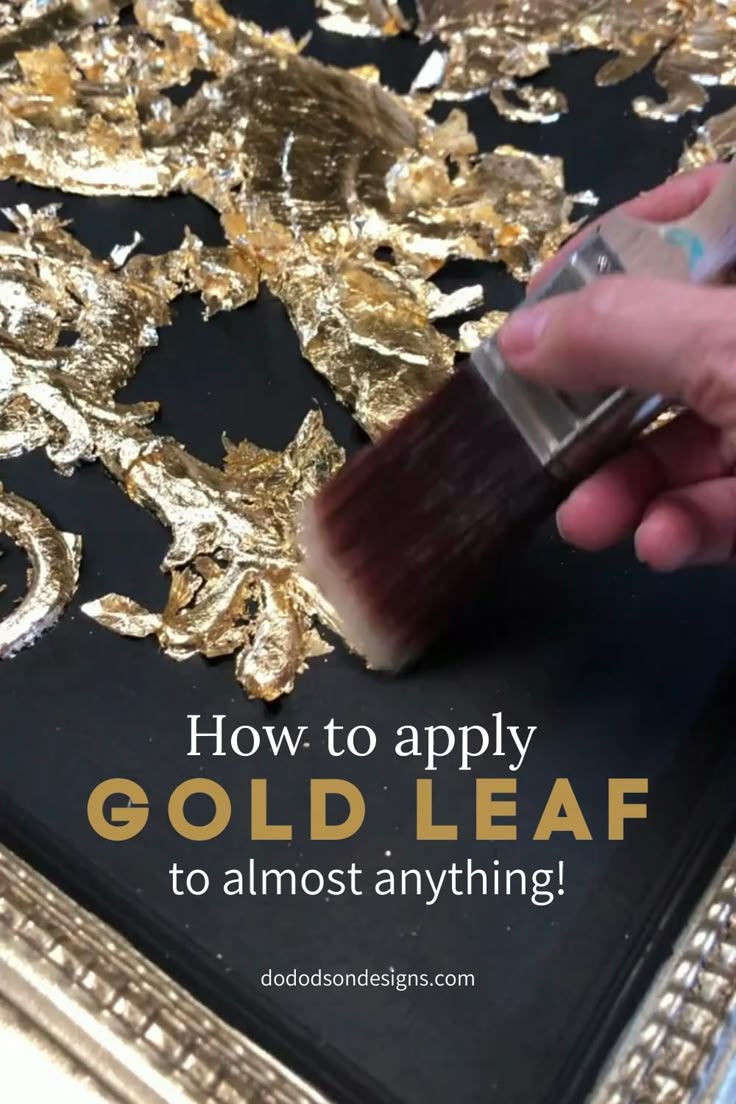


After the gold is hammered into sheets, it's often gilded - a process where it's adhered to a surface using a special adhesive. The process of gilding also adds to the overall cost, as it requires specialized knowledge and care.
Rarity and Demand
Gold is a finite resource, and its extraction requires significant environmental and energy costs. Coupled with its high demand in various industries, including jewelry, electronics, and art, scarcity factors contribute to its high price.
Gold leaf is particularly sought after in art and design, commanding a premium due to its ability to add an unparalleled touch of luxury and elegance to any surface. Its rarity in everyday use also makes it a status symbol, further driving up its cost.


The Cost of Gold Leaf vs. Other Types
When comparing gold leaf with other gilding materials, such as silver leaf or imitation gold leaf, the price difference becomes even more apparent. While these alternatives may appear similar, they often lack the richness and durability of real gold.
Silver leaf, for instance, is less expensive but also less durable and doesn't offer the same luminosity as gold. Imitation gold leaf, while closer in appearance, uses less pure gold and is more likely to tarnish over time.
Historical and Cultural Value
Historically, gold leaf has been a symbol of wealth and power, used to gild religious artifacts, humanitarian art, and royal residences. Its cultural significance has made it an enduring symbol of prestige and elevates its value beyond its mere monetary worth.

Today, it's still widely used in art, architecture, and fashion, reflecting its timeless appeal and status symbol.
The Final Product
The end product - a surface adorned with gold leaf - exudes an unrivaled sheen and opulence, instantly elevating its status and value. From religious icons to luxury cars, gold leaf imparts a distinct touch of luxury and sophistication that's hard to imitate.
However, the initial high cost is often a worthwhile investment, given gold leaf's longevity, durability, and the exceptional beauty it imbues in any setting.
Indeed, real gold leaf is expensive, but its cost is a testament to its time-honored craftsmanship, exceptional purity, and enduring significance. For those seeking to add an unmistakable touch of luxury and a nod to history, the investment in gold leaf is more than just financial - it's an investment in timeless elegance.
Related Articles

Is Gold Leaf on Food Real Gold?
You've likely seen it in high-end restaurants or gourmet desserts - a shimmering, edible gold leaf delicately placed atop a dish. But the question lingering in...
Is Gold Leaf Real Gold?
Ever looked at gleaming gold sheets and wondered, "Are these really made of gold?" It's a valid question, given the prevalence of gold-plated and gold-foil...

Is Gold Leaf Real Gold for Food?
Have you ever found yourself wondering, "Is gold leaf in food genuinely made from gold?" As intriguing as it may seem, the assertion that gold leaf used in...

Real Gold Jewelry Suppliers: Top Wholesale Sources
In the resplendent world of precious jewelry, the term "real gold" is not just a fashion statement, but a symbol of timeless elegance and enduring value. The...

Is the Gold Glove Trophy an Actual Glove?
The Gold Glove Award, annually given to the best defensive player in each position in Major League Baseball, is a prestigious prize. But when it comes to the...
Is Edible Gold Foil Really Gold?
Have you ever wondered if the gold foil used in fancy desserts or as a garnish in high-end cocktails is genuine gold? The allure of edible gold is undeniable...