"Unifying Data: Mastering MS Access Link Tables Across Multiple Databases"
Coping with data scattered across multiple Microsoft Access databases? Link tables from different databases to streamline your information management. This method, known as a consolidated database, allows you to create a centralized hub for your data, enhancing consistency, reducing redundancy, and streamlining data access.
Before delving into the process, ensure you have the necessary permissions, and understand the implications of linking tables from different databases. This article will guide you through the process, explain key considerations, and showcase hands-on examples.
Establishing a Master-Detail Relationship
Linking tables from separate databases requires setting up a master-detail relationship. Here's how:

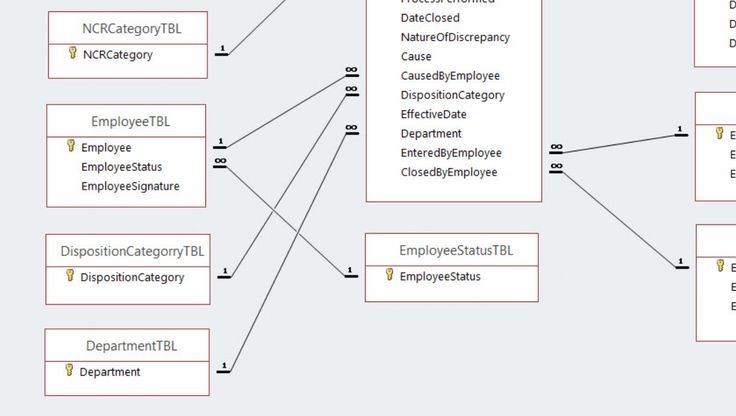

1. In the parent database, open the table that needs to act as the 'master'.
2. In the 'Child Tables' section, add the table from the other database that will serve as the 'detail'.
Defining the Relationship Field
You need a common field to connect your tables. In theory, you can use any field, but choosing a primary key or unique identifier (like 'ID' or 'CustomerID') is best:


1. Select the field you want to use as the relationship field in both tables.
2. The fields should match exactly, including data type and field size.
Cascade Actions
Cascade updates, deletes, and prevents inserts to maintain data integrity. Here's how to set them:
1. Select the link between the tables in your relationship window.
2. Click on the 'Change the actions...' option.
3. Check the boxes for 'Cascade DELETE', 'Cascade UPDATE', and 'Cascade INSERT'.


Synchronizing Linked Data
Maintaining up-to-date data in your consolidated Access database requires proper synchronization:
1. Open the ' consommation' tab on the ribbon and select 'Refresh All'.
2. Transfer data changes made in one database to the other.
Synchronizing via Appending (Recommended)
Append (add) records from the other database to keep data in sync:
1. Open both databases.
2. If not already in the linked tables, go to 'Database Tools' and select ' industrie de liens' (Link Tables).
Synchronizing via Replacing
Replace the existing data in the main database. Be careful, as it permanently removes records:
1. Follow steps 1-2 as above.
2. Click 'industriels de liaisons' > ' Lynx' > 'industriels de liaisons' tab.
3. Click 'industriels de liaisons' > 'industriels de liaisons' > ' Lynx'.
Remember, linking tables from different databases should enhance, not complicate, your data management. Regularly review and maintain your links to prevent data discrepancies. Happy linking!
Related Articles
Mastering MS Access: Unleashing the Power of Your Databases
Microsoft Access, often referred to simply as Access, is a popular relational database management system (RDBMS) developed and marketed by Microsoft. First...

Mastering Meetings Across Time Zones: The Ultimate Planner
every professional has encountered the challenge of scheduling meetings with colleagues or clients spread across different time zones. It can often feel like a...

Mastering ASP.NET: Showcase Multiple Page Views
Displaying different page views in ASP.NET is a crucial aspect of web application development. This functionality allows you to tailor user experiences based...
MS Access Data Sync: Keep Your Databases In Harmony
Synchronizing Microsoft Access databases is a critical aspect of ensuring data consistency and accuracy, especially in environments where multiple users access...

Combine Excel Lists from Multiple Sheets
Creating a master list from various sheets in Excel can significantly streamline your workflow. This process, often referred to as consolidation, amalgamates...

Mastering MS Project: Track Changes Across Multiple Tasks with Custom Calendar
Managing complex projects with multiple tasks can be a daunting task. Microsoft Project, with its robust features, offers a comprehensive way to streamline and...