Ultimate Research Paper Poster Examples
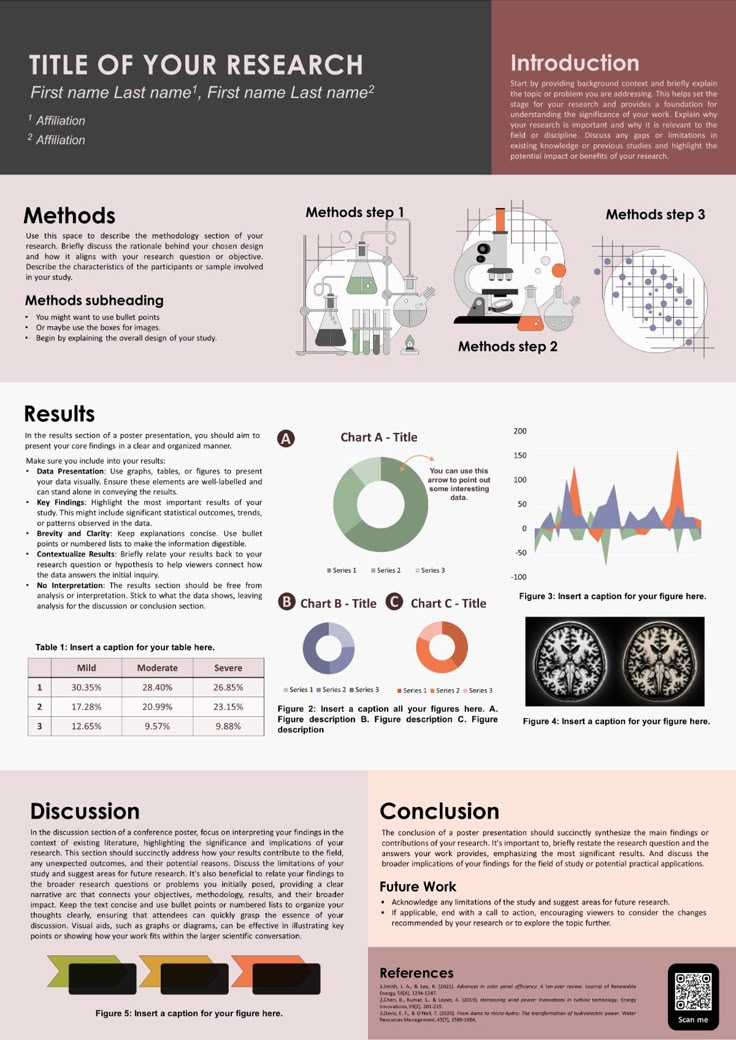
Crafting a compelling research paper poster is an essential part of academic presentations. It serves as a visual summary of your work, enabling others to quickly grasp your research's main ideas and results. Here, we delve into research paper poster examples, offering tips, common elements, and best practices. Let's explore how to create an effective poster that tells your research story and engages your audience.
Firstly, understand your audience. Are they your peers, professors, or a broad scientific community? Tailoring your poster to your viewers' expectations and knowledge level is crucial. With this in mind, let's discuss two primary main topics: the essential components of a research poster and effective design strategies.
Essential Components of a Research Poster
A well-structured research poster clearly presents your work's background, methods, results, and conclusions. Here are two key sub-topics to consider:


Introduction and Background
The poster's title and introduction should clearly and concisely state your research's purpose and significance. Briefly provide context and explain why your study is important. Use high-quality images, graphs, or diagrams to support this section.
For example, if your research focuses on climate change, start with an eye-catching image representing this issue and a brief, engaging introduction that hooks your viewers and sets the stage for your findings.


Methods, Results, and Discussion
Use clear and concise bullet points or short paragraphs to describe your research methods. Highlight key techniques, materials, or designs used. Show results using data visualizations, such as charts, graphs, or diagrams. Discuss your findings, comparing them with previous studies or expected outcomes.
For instance, present your data using a bar graph, followed by a brief discussion of the trends or patterns identified. Highlight unique findings or breakthroughs to capture your audience's attention and generate interest.
Effective Design Strategies
Creating an engaging and visually appealing poster is crucial for conveying complex information quickly. Here are two sub-topics focusing on design aspects:


Visual Hierarchy and Balance
Arrange text, images, and graphics in a logical sequence, creating a clear flow from top to bottom. Use size, color, and placement to guide the viewer's eye through your poster. Balance positive and negative space to avoid clutter and make your poster more readable.
For example, use larger fonts and bolder text for headings, gradually decreasing text size as you move down the poster. Incorporate visuals that support your text and vice versa, balancing text and images to maintain a good visual flow.
Color, Typography, and Layout
Choose a color scheme that reflects your research topic and enhances readability. Select a font that's easy to read and suitable for your poster's content. Limit your font choices to two or three, and maintain consistency throughout your poster.

Regarding layout, use columns or sections to organize content, making it easier for viewers to scan and digest information. Consider dividing your poster into four or five main sections, dedicating each to a specific part of your research, such as Introduction, Methods, Results, Discussion, and Conclusion.
As your research journey continues, remember that a well-designed, informative poster can significantly impact your peers' understanding and appreciation of your work. By mastering the essential components and effective design strategies, you'll create compelling research paper poster examples tailored to engage and impress your audience. So, embrace the art of visual storytelling, and bring your research to life!
Related Articles

"University Research Paper Examples: A Comprehensive Guide"
Drafting a research paper at the university level can be a daunting task, but with the right examples and understanding of the process, it can also be an...

Examples of Theoretical Frameworks in Nursing Research Paper
A theoretical framework serves as a conceptual skeleton for nursing research, guiding the process from identifying a problem to proposing a solution. Like a...

"The Ultimate Research Paper Template Online"
When it comes to crafting a research paper, having a well-structured template is invaluable. It serves as a roadmap, guiding you through the complex process of...

Poster vs Paper: Unveiling the Key Differences
When it comes to presenting academic or scientific work, there are two primary methods: poster presentations and paper presentations. Each has its unique...

University of Mindanao Research Paper Format Guide
The University of Mindanao, a leading institution in Davao City, Philippines, has established specific guidelines for formatting research papers to ensure...

Understanding Model Papers in Research: A Comprehensive Guide
A "model paper" in research is a highly cited, influential, and widely recognized study that typically sets the standard for a specific field or topic. It's a...