Mastering Presentations: Research Paper PPT Template
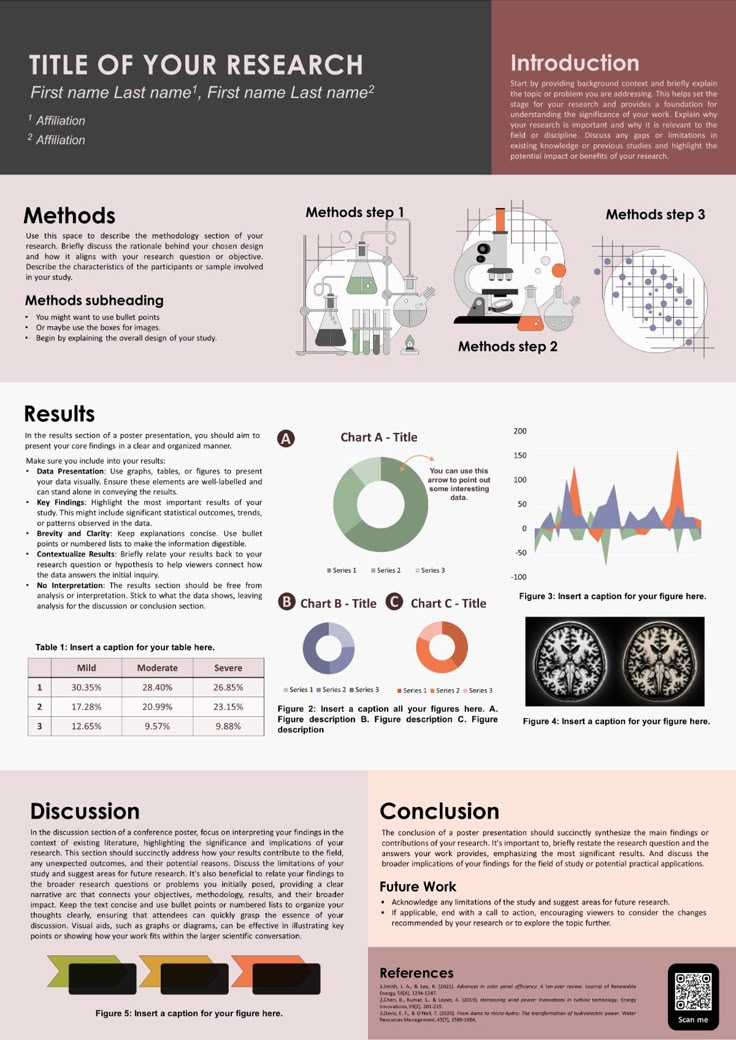
A well-crafted presentation can greatly enhance the impact of your research paper, turning a dry academic discourse into an engaging and effective communication tool. PowerPoint (PPT) is a widely-used platform for creating these presentations, offering a balance between simplicity and customization. Here, we delve into the art of creating a compelling research paper presentation using PowerPoint, complete with an SEO-optimized, human-like guide.
Whether you're presenting at an academic conference, pitching your findings to investors, or sharing your insights with fellow researchers, a well-designed PPT template can greatly simplify your task. By leveraging pre-set formats and styles, you can focus more on your content and less on the presentation itself.
The Importance of a PPT Template
A PPT template ensures consistency, saving you time and effort. It also provides a professional look, enhancing the credibility of your presentation. Moreover, templates often include built-in slide layouts and design themes, which can be customized to suit your needs. Yet, finding the right template is not enough; you must also understand how to use it effectively.


In this guide, we'll explore the intricacies of using a research paper presentation PPT template. We'll discuss everything from choosing the right template to crafting engaging slides. By the end, you'll be equipped with the knowledge to create polished and persuasive presentations that do justice to your hard work and research.
Choosing the Right PPT Template
With numerous templates available online, selecting the right one can be daunting. Here are a few tips to guide your decision:


- Consider the nature of your presentation. Is it formal or informal? Academic or industry-focused?
- Think about your audience. What will appeal to them visually? What will make your content stand out?
- Evaluate the template's layout. Does it accommodate your content well? Does it have appropriate space for text, graphs, and images?
Remember, the template should complement, not overshadow, your content. It should be clean, uncluttered, and easy to navigate.
Customizing Your PPT Template
Once you've chosen a template, personalized touches can make it truly your own. Here's how:
- Change the color scheme to match your research paper's theme or your intended audience.
- Add your university or research institution's logo for credibility.
- Use relevant images, graphs, or diagrams to illustrate your points – but always ensure they are high-quality and licensed for use.
Bold, italicize, or bullet certain text to draw attention to key points. But remember, less is often more. Overuse of these tools can make your slides look unprofessional and distracting.




Crafting Engaging Slides
With your template customized, it's time to populate your slides with content. Here's how to keep your presentation engaging and informative:
Most importantly, keep it concise. Each slide should convey one key idea or point. Dense text and data can overwhelm your audience and make your presentation difficult to follow.
Using Text Effectively
Less is often more when it comes to text. Use a large, clean font. Break up text with bullet points or use calls to action to engage your audience. Avoid reading directly from your slides; they should augment, not replicate, your spoken presentation.

Integrating multimedia elements
Videos, animations, and transitions can liven up your presentation, but use them judiciously. They should serve a purpose and not just distract from your content. Always preview multimedia elements on the equipment you'll be using to present to avoid any technical glitches.
Mastering PPT Design Principles
Finally, a few design principles can polish your presentation:
Use a grid system to align your content. This gives your presentation a clean, professional look and prevents your slides from appearing disjointed.
Balance different types of content on your slides. This could mean a mix of text, images, graphics, or even different colors. Too much of any one element can make your slides unappealing or confusing.
Consistency is key. Use the same color scheme, font, and layout throughout your presentation. This helps maintain visual cohesion.
Lastly, always proofread your slides for typos, grammatical errors, and clarity. You've done the hard work; make sure your presentation communicates your findings effectively.
Creating a research paper presentation using a PPT template is more than mere design; it's crafting a compelling narrative around your findings. By choosing the right template, customizing it thoughtfully, and designing engaging slides, you'll create presentations that inform, persuade, and inspire. The rest? That's up to you, the brilliant researcher you are. Happy presenting!"
Related Articles

"IEEE Research Paper Presentation Template: Engage Your Audience"
Embarking on the journey of presenting your IEEE research paper, you'll find that having a well-structured and visually appealing template can significantly...

Mastering Grade 3 Presentations: Ultimate Presentation Rubric
A grade 3 presentation rubric is a critical tool that helps educators assess and provide feedback on students' presentation skills. It is designed to evaluate...

IEEE Paper Presentation PPT Template
When presenting an IEEE paper, visually engaging and well-structured slides are imperative to effectively convey your research. To ensure professionalism and...
"The Ultimate Research Paper Template Online"
When it comes to crafting a research paper, having a well-structured template is invaluable. It serves as a roadmap, guiding you through the complex process of...

Mastering Law: Top Tips for Crafting Your Paper Presentation
Crafting an effective paper presentation is a crucial skill for law students to develop. It's not just about disseminating information, but about persuasively...

Mastering PhD Research Proposal Presentation
Crafting a compelling PhD research proposal presentation is a critical step towards securing approval and funding for your academic pursuits. Like a thesis...