Sample API Test Plan: Step-by-Step Guide
A well-crafted sample API test plan is vital for ensuring the reliability, performance, and security of your application's API. It helps identify issues early in the development cycle, saving resources and reducing downtime. Here, we'll outline a comprehensive guide to creating an effective API test plan.
Before diving into the nitty-gritty of API testing, it's crucial to understand that API testing is far more than just testing endpoints. It involves verifying various aspects such as authentication, authorization, data validation, error handling, performance, and more. Let's explore each of these aspects in detail.
API Functionality Testing
API functionality testing ensures that each endpoint behaves as expected. It involves sending requests to the API and validating the response to confirm it adheres to the API specifications.


To create an effective test plan for API functionality, consider the following:
Endpoint Testing
Test all endpoints to ensure they return the expected results. Use tools like Postman or curl to send HTTP requests and capture responses. Verify that the API responses match the expected outputs.


Don't forget to test edge cases. For example, what happens when you send a request with invalid data types or missing required fields?
Error Handling
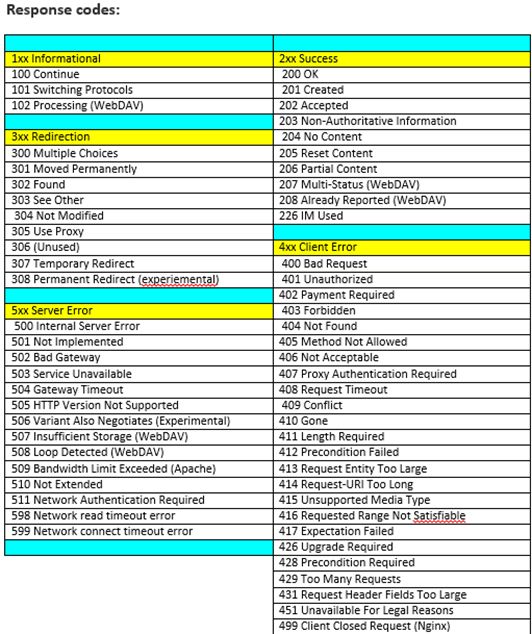
Test API error handling to ensure it behaves as expected. Try causing errors, like sending malformed data or deleting non-existent resources, and check if the API responds with appropriate HTTP status codes and meaningful error messages.
Also, test that the API doesn't expose sensitive information in error messages, which could compromise security.




API Security Testing
API security testing focuses on identifying vulnerabilities and ensuring that the API is secure from unauthorized access and use.
Here are subtopics to consider while creating your test plan:
Authentication and Authorization
Test API authentication and authorization to ensure only authorized users can access and perform actions on resources. Try accessing resources with valid and invalid credentials, and verify that the API response reflects the authorization level.
Also, test for common vulnerabilities like weak default credentials, account lockout, and password complexity.
Input Validation
API should validate and sanitize all inputs to prevent code injection attacks such as SQL Injection and Cross-Site Scripting (XSS). Test your API with illegitimate inputs and ensure it either declines the request or properly validates and handles the inputs.
Additionally, ensure that the API doesn't expose sensitive information through its responses or headers.
API Performance Testing
API performance testing helps identify performance bottlenecks and highlights areas for optimization. It's essential to ensure that your API can handle the expected load and perform well under stress.
Consider the following while creating your performance testing strategy:
Load Testing
Load test your API by simulating a large number of users. Monitor the API response time and throughput under heavy load. Tools like Gatling or LoadNinja can help simulate high user load.
Identify the breaking point and optimize the API to handle more load efficiently.
Stress Testing
Stress test your API by pushing it beyond its expected load limit. Monitor its behavior and observe when it breaks. This test helps identify the maximum load the API can handle and can help plan for scaling.
Remember, stress testing should be done in a controlled environment to avoid causing widespread outages.
In closing, a well-rounded API test plan is critical for delivering robust, secure, and high-performing APIs that meet user expectations. Regularly review and update your API test plan to address changes in API specifications and to incorporate new testing techniques and tools.
Related Articles

Mastering Test Plan and Test Case: A Comparative Guide
When discussing software testing, two terms that often crop up are "test plan" and "test planning". Although these terms are often used interchangeably, they...

Cloud Migration Project Plan: A Step-by-Step Guide for Seamless Transition
Embarking on a cloud migration project is a strategic move for many businesses, offering scalability, cost savings, and enhanced security. However, the success...

Test Plan vs Test Procedure: Your Guide to Effective Software Testing
When it comes to quality assurance in software testing, two critical components are often discussed - the test plan and the test procedure. Both of these...

Sample Poster Rubric: Your Complete Rating Guide
Ever found yourself critiquing a poster and wished you had a clear, objective framework to guide you? A sample poster rubric might just be the perfect...

"Add Shifts to Outlook Calendar: Step-by-Step Guide"
Managing your schedule efficiently is crucial in today's fast-paced world. Microsoft Outlook, a powerful tool for emails and calendars, allows you to add...

Diy Storage Box Ideas: Step-by-Step Guide
Ever found yourself drowning in clutter or craving a tidy home but lacking the budget for designer storage solutions? Fear not! Diving into the world of DIY...