Sample Commercial Lease Ontario
Crafting a comprehensive commercial lease agreement in Ontario requires meticulous attention to detail and compliance with provincial laws. Understanding the essential elements and clauses of a sample commercial lease can facilitate the process, ensuring both landlords and tenants are adequately protected.
A well-drafted commercial lease should clearly outline the rights, responsibilities, and obligations of both parties, thereby minimizing potential disputes. Let's delve into key aspects of a sample commercial lease in Ontario, highlighting the intricacies involved in this critical business transaction.
The Initial basaics of a Commercial Lease in Ontario
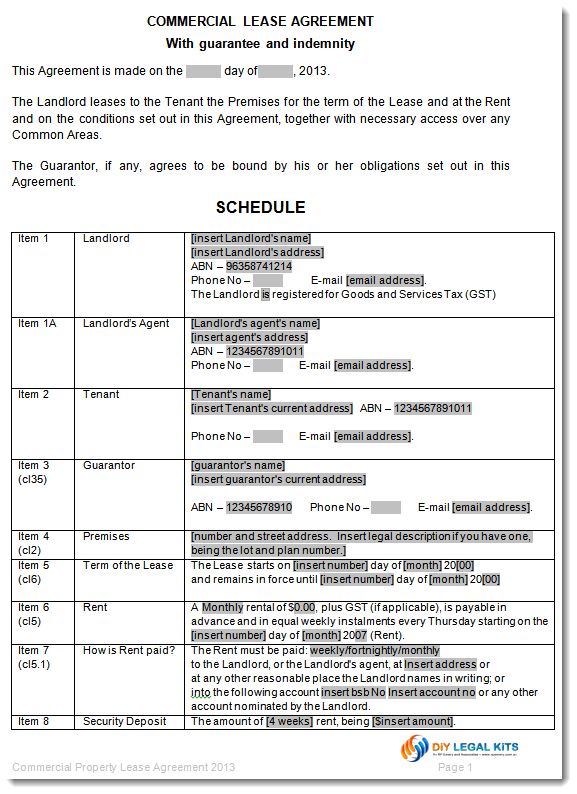
A commercial lease in Ontario begins with the fundamental details, such as the names of the landlord and tenant, the property's address, and the commencement and expiry dates of the lease term.


Additionally, the initial section should specify the lease's duration, whether it's fixed or periodic (e.g., month-to-month or year-to-year), and any renewal options. This crucial information sets the stage for the lease's binding nature and helps establish expectations for both parties.
Premises Description
Accurately describing the leased premises is vital to avoid misunderstandings. The description should include the location, size, and any distinctive features of the space. For instance, specify whether the premise is a standalone building, a suite, or a portion of a larger property, complete with any relevant identification numbers (e.g., an assessor's roll number).


Moreover, include details of any shared or common areas, such as parking lots, hallways, or rooftops, and clarify whether the tenant has exclusive access to them or if they are shared with other occupants.
Rent and Additional Charges
Clearly outline the rent amount, including the base rent and any additional charges, such as property taxes, insurance, or maintenance fees. Specify the rent payment frequency—monthly, quarterly, bi-annually, or annually—and the due date for each installment. To mitigate disputes, detail the consequences of late payments, including late fees or interest charges.
Furthermore, if the lease includes an escalation clause, meticulously describe how the rent adjustment will occur and when. For instance, specify whether the rent will increase annually based on a percentage or a fixed amount, and when these adjustments will take effect.


Responsibilities and Obligations of the Parties
Detailing the responsibilities of both the landlord and tenant is key to preventing misunderstandings, as each party has a role in maintaining the property and ensuring its functionality.
For example, the lease should specify the landlord's obligation to provide essential services, such as water, heat, and electricity, as well as their responsibilities for major repairs, building maintenance, and snow removal. Similarly, outline the tenant's responsibilities, including waste removal, minor repairs, and maintaining a clean and safe premises.
Landlord's Responsibilities
The landlord's responsibilities primarily involve maintaining the property's structural integrity and providing essential amenities. Ensure the lease includes provisions addressing repairs and maintenance, as well as the rectification of any code violations. Additionally, specify the landlord's obligation to ensure the property is habitable and complies with Ontario's health and safety regulations.

Guaranteeing quiet enjoyment of the premises is another landlord responsibility. The lease should outline provisions for eviction, noise complaints, and nuisance abatement. Additionally, detail any rules regarding access to the property, such as the tenant's responsibility to provide the landlord with reasonable notice before allowing entry.
Tenant's Responsibilities
The tenant's responsibilities primarily revolve around keeping the premises clean, safe, and free from damage. Clearly outline the tenant's obligation to respect the property, follow building rules, and maintain a peaceful and quiet environment. Specify the consequences of non-compliance, such as financial penalties or eviction.
Detail the tenant's role in preserving the property's condition, including responsibilities for painting, carpet cleaning, and other periodic maintenance tasks. Clarify any provisions for subletting or assigning the lease and the consequences of doing so without the landlord's consent. Additionally, specify the tenant's obligation to vacate the premise at the end of the lease term and the penalties for failure to do so.
The Duration and Termination of the Lease
The lease duration and termination provisions are crucial, as they set the stage for the lease's expiration, renewal, or early termination.
Specify the initial lease term, any renewal options, and the procedures for extending or terminating the tenancy. Outline the consequences of early termination by either party, including penalties, notice requirements, and the landlord's right to retake possession of the property.
Lease Renewal
If the lease includes renewal options, detail the process for renewing the lease, including notice requirements, rent adjustments, and any changes to the lease terms. Specify whether the renewal is automatic or requires re-negotiation and the conditions under which renewals can be granted or denied.
Additionally, outline any "holdover" provisions, which address the tenant's right to remain in possession of the property after the lease term expires until the landlord obtains an eviction order.
Early Termination
Clearly outline the circumstances under which either party can terminate the lease early, and the notice requirements for doing so. Include provisions for both parties, such as the landlord's right to evict the tenant for default or breach of the lease agreement, and the tenant's right to terminate the lease due to the landlord's non-performance or breach.
Moreover, detail the consequences of early termination, including any fees or penalties, payment of damages, and the timeline for the tenant to vacate the property.
Finally, drafting a comprehensive commercial lease agreement in Ontario mandates thorough legal consultation and a deep understanding of the interplay between lease terms and provincial laws. By adhering to the guidelines outlined above and seeking expert counsel, landlords and tenants can ensure their commercial lease sets a solid foundation for their business relationship and protects their interests.
Related Articles

Commercial Lease LOI Sample: Instant Download
A Commercial Letter of Intent to Lease (LOI) sample is a crucial preliminary document used in commercial real estate transactions. It outlines the key terms...

Renew Your Toronto Commercial Lease: Ontario's Top Tips
Renewing a commercial lease in Ontario can be a complex process, but it needn't be daunting. With the right knowledge and a well-crafted commercial lease...

Commercial Lease Intent Template
A commercial letter of intent to lease (LOI) template is a crucial document in commercial real estate transactions, outlining terms and conditions for a...

Sample Pay Slip Ontario: Free Template & Guide for 2023
Curious about what a typical pay stub from Ontario, Canada looks like? As an employee in this province, understanding your pay statement is crucial for...

Ontario Car Lease Requirements: What You Need
Thinking about leasing a car in Ontario? You're in the right place. Leasing offers flexible terms, lower monthly payments, and less Beaux-Arts 'auto...
Commercial Lease Renewal Agreement Template
Navigating the complexities of commercial real estate involves a multitude of legalities, and one of the vital documents in this realm is the commercial lease...