Mastering Academic Writing: Free Scientific Paper Example Template
Crafting a scientific paper is an intricate task that necessitates precision, clarity, and adherence to established norms. A well-structured template not only simplifies the writing process but also ensures your research reaches the intended audience effectively. Let's delve into the essential elements of a scientific paper example template.
Writing a compelling scientific paper involves meticulous organization and formatting. Despite the diversity of scientific disciplines, most papers follow a universally accepted structure. This standardization facilitates understanding and fosters communication among researchers globally.
Understanding the Scientific Paper Template
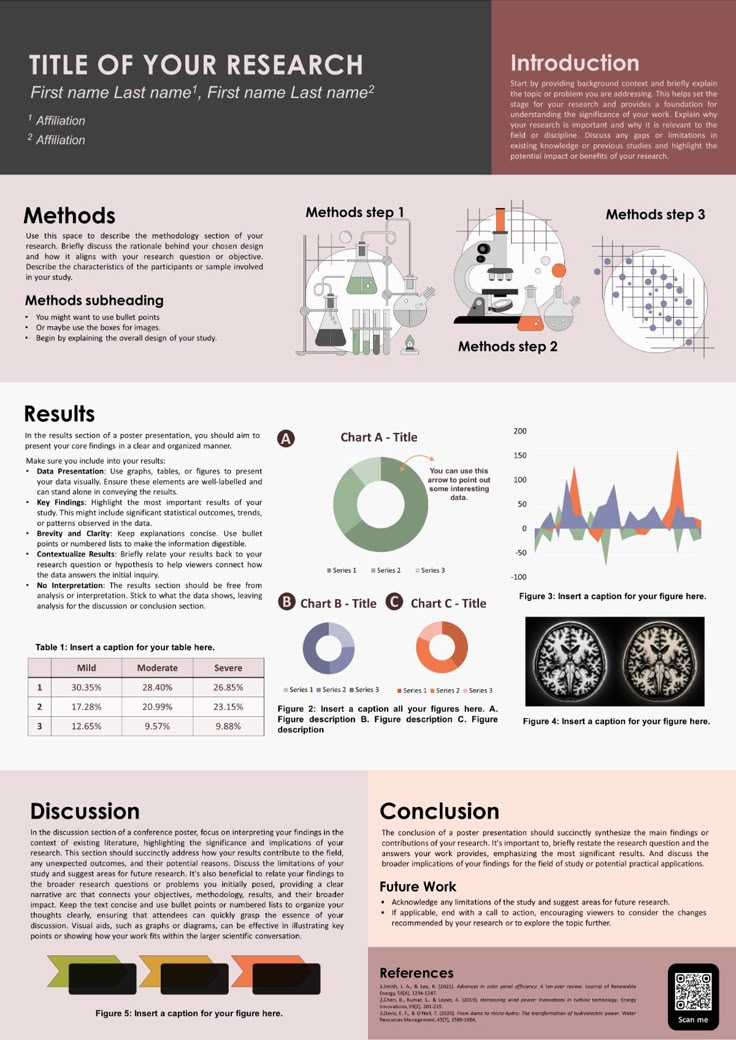
A typical scientific paper template comprises six core sections: title, abstract, introduction, methods, results, and discussion. These sections work synergistically to present your research accurately and engagingly.


Each section plays a pivotal role in communicating your findings. The title should be concise and informative, the abstract a comprehensive summary, and the introduction a clear and compelling premise. The methods section ought to be exhaustive yet lucid, the results comprehensive and orderly, and the discussion insightful and balanced. Together, they weave a narrative that propels scientific progress.
Title
The title is the first point of contact with your audience. It should succinctly capture the essence of your work, employing active voice and avoiding semantic broadening. Remember, it's often the deciding factor in whether your paper is read or not.


Let's consider an example: compare "An investigation into the effects of caffeine consumption on sleep patterns" against "Caffeine intake's impact on sleep". The former is verbose, using passive voice, while the latter is concise, active, and far more intriguing.
Abstract
The abstract is the paper's summary, encapsulating its entire content. It should be self-contained, enabling quick comprehension of your research. Typically, it's around 200-300 words, presenting a problem, methodology, results, and conclusions.
Here's an effective abstract template: introduce the problem, describe your method, summarize your key results, and state your conclusions. Avoid citing other works or using unexplained jargon to maintain clarity.


The Body of the Scientific Paper
Following the title and abstract, the introduction, methods, results, and discussion sections constitute the body of your paper. These sections unfold your narrative, revealing your research's intricacies and significance.
Each section uniquely contributes to your paper's story. The introduction sets the stage by outlining the broader context, defining the problem, and stating the purpose. The methods section describes your approach, the results section presents your data, and the discussion interprets and elaborates on your findings.
Introduction
The introduction orientates your reader, offering a birds-eye view of your research. Begin with a hook, pique your reader's interest, and then provide a smooth transition to the broader context of your study. Define your research question and objectives, and conclude with a roadmap of what's to come.
For instance, erfolgDictionary.com's "Writing the perfect scientific paper" suggests starting with a practical application or fascinating fact linked to your research. This approach draws readers in, Increasing the likelihood they'll engage with your work.
Methods
The methods section delineates the approach you employed to address your research question. It should be exhaustive and replicable, allowing other scientists to duplicate your work if desired. Include ethical considerations, data collection techniques, statistical methods, and exclusion criteria.
Proide sufficient detail without indulging in trivialities. The goal is clarity, not verbosity. Use headings and subheadings to enhance readability, and Number sentences when presenting sequential procedures.
Results
The results section communicates your findings objectively, employing tables, graphs, and figures to support your data. Prioritize your results based on their significance, ensuring clarity and conciseness.
Quantitative data should be represented using tables and graphs, allowing readers to compare and analyze easily. Qualitative data, if present, should be systematically categorized and presented thematically. When presenting your data, stick to the point and avoid interpretative comments.
Discussion
The discussion section interprets your results, positioning them within the broader scientific landscape. Compare your findings with other studies, discuss their implications, and conclude with a statement about their significance.
Address any limitations in your study and suggest avenues for future research. Refrain from speculating beyond your data's implications, and stick to a confident, circumspect tone.](https://www. Gupta.com)
Related Articles

SBI Hand Written Declaration Template for Free Download
Have you recently received a communication from the State Bank of India (SBI) asking for a handwritten declaration? You may be questioning what exactly this...

Paper Floppa Template Free Download
The "Paper Floppa" template has gained significant traction in the print and design community, offering a unique and customizable way to create engaging...
Master Scientific Paper Presentation Templates
Crafting a compelling scientific paper presentation can be an arduous task, with the need to squeeze a wealth of research into a concise, coherent, and...

Free Printable Cowboy Templates for Kids
Looking for the perfect way to add a touch of rustic charm to your party decor? A printable cowboy template might just be what you need. These templates are...

Paper Hibiscus Flower Template PDF
Welcome to your comprehensive guide on creating beautiful hibiscus flowers using a template. If you're new to origami, don't worry. With this PDF template...

Kinetic Paper Sculpture Templates: Bring Movement to Your Art
Kinetic paper sculpture templates offer a unique blend of art, science, and design, bringing two-dimensional paper to life in mesmerizing three-dimensional...