Unraveling Scratch: Exclusive Code Blocks Guide
In the digital landscape of coding and education, Scratch, a programming language developed by MIT, has emerged as a beloved tool for beginners and educators alike. One of the standout features of Scratch is its use of code blocks, a visual, drag-and-drop approach to programming that makes learning to code engaging and accessible.
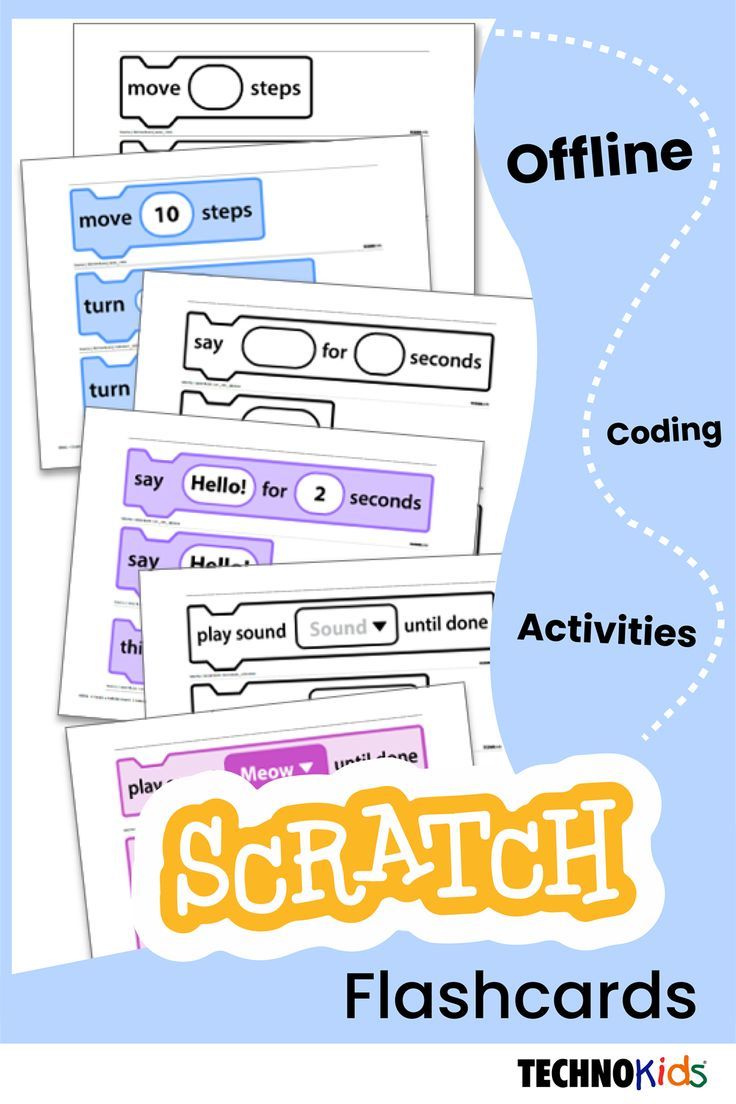
Scratch code blocks are designed to resemble interlocking puzzle pieces, each representing a specific action like moving a sprite, changing the appearance of an object, or controlling the flow of the program. This hands-on, intuitive approach is fostering a new generation of creators and problem-solvers, sparking curiosity and encouraging exploration in the realm of computer science.
Understanding Scratch Code Blocks
At the core of Scratch's learning-by-doing philosophy are these code blocks, which abstract away much of the complexity of traditional text-based coding, enabling users to focus on the logic and execution of their programs.


Each block is color-coded and categorized into distinct types, such as Motion, Looks, Sound, Data, Events, Control, Sensing, and Operators. These categories cover a wide range of actions and operations, allowing users to create interactive animations, games, simulations, and more, all while learning fundamental programming concepts.
Building Programs Using Code Blocks
Scratch code blocks can be combined and stacked in various ways to create conditional statements, loops, and procedures. By connecting these blocks, users can create complex, interactive projects, learning the principles of algorithms and computational thinking as they build and test their creations.


One of the key benefits of Scratch's block-based coding is that it allows users to see the immediate results of their code. This visual feedback provides real-time validation and helps users develop a stronger understanding of how their code is functioning.
The Role of Code Blocks in Learning Programming Concepts
Scratch code blocks serve as an excellent stepping stone between visual programming and traditional text-based coding. By using these blocks, users can grasp complex programming ideas before transitioning to more advanced languages like Python, JavaScript, or Java.
By acting as a visual stepping stone, Scratch code blocks help users understand the underlying structure and concepts of computer programs, encouraging them to experiment, iterate, and ultimately become proficient in coding.



Scratch Code Blocks and Collaboration
Beyond individual learning, Scratch code blocks also facilitate collaboration and sequential learning. The platform's sharing functionalities allow users to share their projects and code, fostering a community of creators who learn from and build upon one another's work.
Moreover, the existence of 'extension blocks' enables this shared learning to expand when users incorporate additional functionality using external tools and APIs.
Sharing and Remixing Projects
Scratch's sharing features allow users to 'remix' existing projects, modifying and improving upon other users' creations. This capability encourages creativity, collaboration, and the exchange of ideas among the Scratch community, helping all users grow and learn from one another.

Under the hood, each block of code generates a corresponding line of regular code, such as JavaScript. When a project is shared or remixed, all the underlying code is shared, too. This allows users to explore the 'scratch behind the scenes,' learning about the code that generates their blocks.
Leveraging Extension Blocks
As users become more comfortable with Scratch code blocks, they may wish to explore more advanced functionality. This is where extension blocks come into play, enabling users to incorporate external tools and APIs into their Scratch projects, pushing the boundaries of what's possible with Scratch.
Extension blocks offer a way for users to gradually transition from block-based coding to more traditional text-based coding, using languages like JavaScript or LUA. This offers a natural progression for learners, building upon their existing knowledge and gradually introducing more advanced concepts.
Scratch's code blocks have democratized programming, opening up the world of coding to newcomers and sparking a global community of creators. By seamlessly blending learning, creation, and collaboration, Scratch code blocks are fostering the next generation of innovators, problem-solvers, and digital creators. So, why not dive in and start learning by doing with Scratch today?
Related Articles

Code Blocks Printable: Scratch & Print Your Own
Scratch, a popular block-based visual programming language, is widely used for teaching coding concepts to beginners, especially children. One of the key...

Scratch Code Blocks PNG: Download & Integrate Today
Imagine you're writing a script for a visual program, and you want to display code in a specific, attractive format. Enter Scratch, a block-based, coding...

Scratch Code Blocks Explained
Ever found yourself wishing you could quickly experiment with code snippets without the need for setting up a full-fledged development environment? That's...

Construction Site Helmet Colors: Singapore's Color Code Guide
In the bustling construction landscape of Singapore, safety is paramount, and one critical aspect is the use of construction site helmets. A lesser-known yet...

5S Tape Color Guide: Master the Code in 2023
Embarking on a project or keen to maintain a tidy, organized workspace? Chances are, you've encountered 5S tape, a versatile, color-coded tool designed to make...

The Puerto Rico Civil Code: Your Comprehensive Guide
The Puerto Rico Civil Code, a comprehensive body of laws that governs civil or private relations and rights on the island, provides a sturdy framework for...