Understanding Meeting Minutes: A Comprehensive Guide
When it comes to efficient business communication and decision-making, one essential tool that facilitates information sharing and progress tracking is minutes of a meeting. But what exactly are minutes of a meeting, and why are they so crucial? Let's delve into the world of meeting minutes and explore their significance, purpose, and how to create effective ones.
In essence, minutes of a meeting, often abbreviated as MoM, are a written record of the proceedings and key outcomes of a meeting. They serve as a vital reference point for all attendees and any stakeholders who may not have been present. Minute-taking is a critical skill that ensures important decisions, action items, and discussions are preserved, promoting accountability and transparency.
Purpose of Meeting Minutes
Meeting minutes play a multifaceted role in organizational communication and memory retention, some of which may include:


- Documentation: Meeting minutes provide a written record of key discussions and decisions, making them an invaluable repository of organizational knowledge.
- Accountability: By assigning responsibilities and due dates, meeting minutes ensure that action items are not overlooked or forgotten, fostering a culture of accountability.
- Communication and Transparency: Meeting minutes promote clear communication by circulating them among attendees and other relevant parties, ensuring everyone is on the same page and eliminating misunderstandings.
- Reporting and Archiving: Minutes of a meeting enable quick reference for future decision-making processes, project planning, or problem-solving by providing historical context and progress tracking.


Components of Effective Meeting Minutes
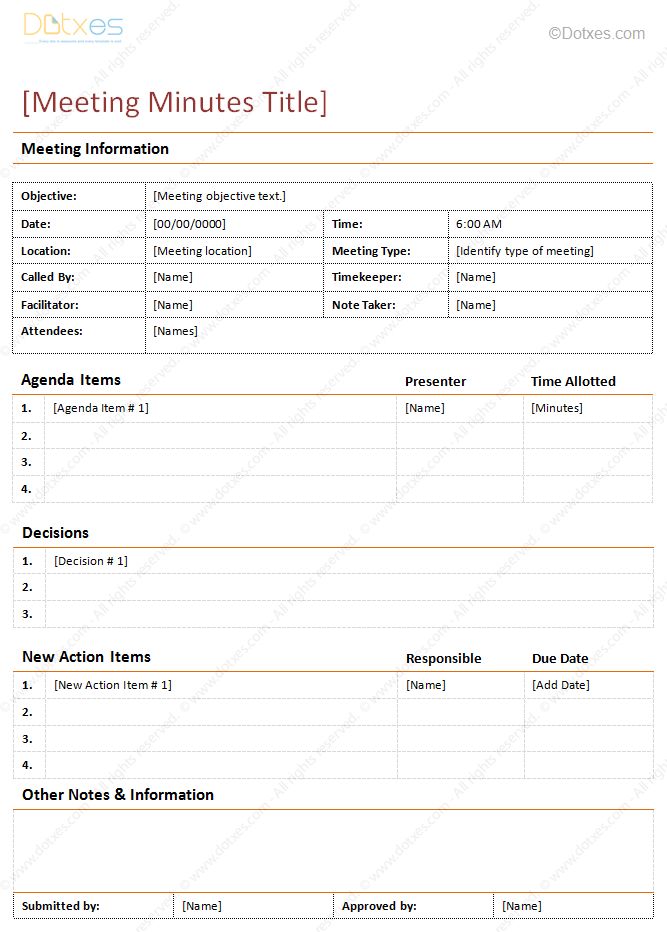
To create a well-rounded and informative MoM, ensure it includes the following components:
- Meeting Details: Start with the essentials - meeting date, time, location, and attendees.
- Agenda: Include a brief overview or summary of the agenda items discussed during the meeting.
- Discussions and Decisions: Summarize the key points of each agenda item, highlighting the crux of the debate and the ultimate decision or consensus reached.
- Action Items: Clearly state who is responsible for completing each task and the deadline for its completion.
- Next Meeting Details: End with information about the next meeting, such as the date, time, and any pre-reading materials or agenda items.




Minute-Taking Tips
To craft engaging and informative minutes of a meeting, consider these practical tips:
- Stay Neutral: Maintain an objective stance when recording discussions and avoid personal opinions or bias.
- Be Concise: Avoid verbatim transcription and focus on the key points and outcomes of each topic.
- Proofread: Carefully edit and proofread your minutes for accuracy, clarity, and grammar before circulating them.
- Act Quickly: Distribute the minutes promptly after the meeting to keep the momentum going and encourage timely action.

Meeting Minutes Templates and Software
Leverage the power of technology to streamline your minute-taking and ensure consistency. Numerous templates and software solutions exist to help you create polished, well-structured meeting minutes. These tools often include features like automatic formatting, action item tracking, and collaboration support.
Examples of meeting minutes software and platforms include Microsoft Word templates, Google Docs, and dedicated meeting management platforms like MinuteBox, حُ, and ZapAir. Familiarize yourself with these options and choose the one that best fits your organization's needs and workflow.
In summary, minutes of a meeting are a cornerstone of effective communication and decision-making within organizations. By understanding their significance, crafting well-structured minutes, and leveraging the power of technology, you can empower your team and organization to make informed decisions, track progress, and achieve success.
Related Articles

Understanding "Minutes" in Business: A Comprehensive Guide
In the dynamic world of business, time is not just money, it's a crucial resource that dictates progress and success. But what does "minutes" mean in this...

Understanding Vehicle Etching: A Comprehensive Guide
Have you ever admired the intricate patterns and designs etched onto a vehicle's body? This is not just a mere scratching, but a specialized technique called...

Understanding Services Australia Healthcare: A Comprehensive Guide
Ever wondered about the healthcare services available in Australia? You're not alone. Understanding the intricacies of any health system can be complex, but...

Understanding Human Resource Capacity: A Comprehensive Guide
Human resource (HR) capacity, often referred to simply as workforce capacity, is a critical metric for businesses, reflecting the ability of the organization's...

Understanding Ribbon Cutting Ceremonies: A Comprehensive Guide
A ribbon cutting ceremony is a prolific and enduring symbol of new beginnings, marking the official inauguration or commencement of a project, building, or...

Understanding Work Pensions: A Comprehensive Guide
A work pension is a retirement savings plan established by an employer for its employees. It's a crucial component of many employee benefits packages...