What Are Paper Straws Made Of: A Closer Look
In the ongoing global effort to reduce plastic waste and promote sustainability, one eco-friendly alternative that has gained significant traction is the humble paper straw. But what are these biodegradable marvels made of, and how do they fare compared to their plastic counterparts? Let's delve into the world of paper straws, exploring their composition, manufacturing process, and environmental impact.
To understand what paper straws are made of, we need to look at the humble beginnings of this wonder material: wood pulp. Derived from wood fibers, usually from sustainably sourced forests, wood pulp forms the basis of paper straws. But how do these fibers transform into the sturdy yet flexible straws that we use today? That's where the intricacies of paper straw manufacturing come into play.
From Trees to Straws: The Paper Straw Manufacturing Process
The journey of a paper straw begins in the sustainably managed forests where trees are harvested to provide the raw material. The logs are sent to pulp mills, where they are ground into a slurry, or pulp. This pulp is then washed, screened, and bleached to produce the clean, white material that forms the base of our paper straws.


The bleached pulp is then combined with water and passed through a series of screens to create a uniform, smooth flow. This process, known as pumping, ensures that the resulting paper has a consistent texture. The pulp is then fed into a machine that forcibly presses it onto a wire mesh. Here, the water drains away, leaving behind a continuous sheet of paper, known as the "web". This web is then dried, pressed, and wound onto massive reels.
Coating: The Secret to Longevity
At this stage, the paper is still porous and susceptible to absorbing liquids and becoming soggy. To combat this, a special coating is applied. This coating, typically made from a blend of cornstarch and other natural materials, provides a barrier that prevents liquids from seeping into the paper and making it soggy. This process significantly enhances the lifespan of the paper straw, ensuring that it maintains its structural integrity even after prolonged contact with drinks.
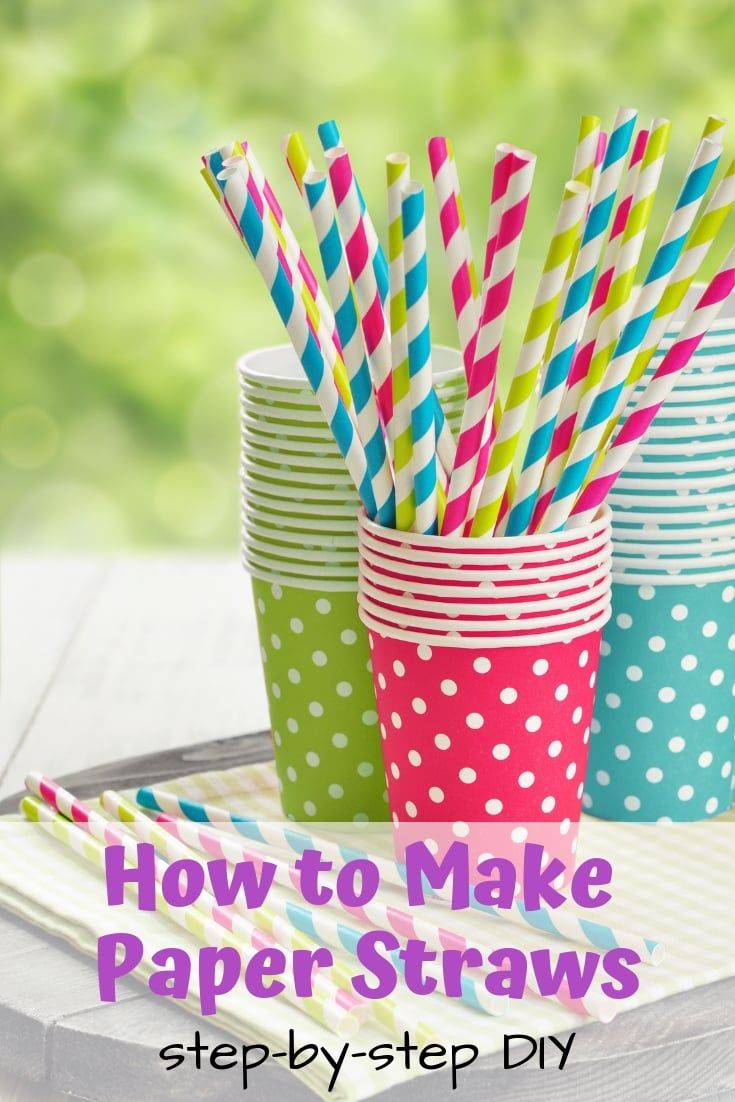


Once coated, the paper is cut into strips of the desired width, rolled into the familiar straw shape, and then cut to the desired length. Finally, the straws are packaged and sent to retailers, ready to be used by environmentally conscious consumers around the world.
Additional Materials: What Else Goes Into Making Paper Straws?
While wood pulp and the liquid barrier coating form the bulk of a paper straw's composition, other materials are involved in their production. For instance, some providers may use natural waxes to add extra protection against liquids. Similarly, some paper straws may feature a small amount of bioplastic, typically made from PLA (polylactic acid), a biodegradable plastic derived from renewable resources like cornstarch. This addition can further enhance the straw's durability and may be necessary for Meeting specific performance standards.
However, it's essential to note that the use of bioplastics in paper straws is a contentious issue. While PLA is undoubtedly more eco-friendly than its petroleum-based counterparts, some environmental advocates argue that it should not be used, as it can cause confusion among consumers, leading to increased littering and contamination of recycling streams. As such, many paper straw manufacturers strive to create straws that are entirely biodegradable, free from any plastic content.


The Environmental Impact of Paper Straws
In contrast to their single-use plastic counterparts, paper straws offer significant environmental benefits. The fact that they are made from renewable resources and are biodegradable and compostable means they have a much lower impact on the environment. Whereas a plastic straw can take centuries to decompose, a paper straw can biodegrade entirely in a matter of weeks under the right conditions. Moreover, paper straws do not leach chemicals into the soil or water, reducing the risk of environmental damage and toxicity.
Furthermore, paper straws are often produced using less energy and fewer resources than their plastic counterparts. The process of refining crude oil into the petrochemicals used to make plastic straws is energy-intensive and generates significant greenhouse gas emissions. In contrast, the production of paper straws typically consumes less energy and produces fewer emissions. Plus, the paper industry's ongoing commitment to reforestation and sustainable forest management means that the timber used to make paper straws can be replaced, ensuring that resources remain replenished.
But Are Paper Straws as Durable as Plastic?
One common concern with paper straws is their durability, or lack thereof. While it's true that paper straws do not last as long as their plastic counterparts, this is not necessarily a bad thing. The short lifespan of paper straws encourages consumers to use them only once and then dispose of them responsibly, rather than reusing them and potentially spreading germs and bacteria. Moreover, the biodegradable nature of paper straws means that even if they aren't disposed of correctly, they will eventually decompose, causing less harm to the environment than a plastic straw would.

Indeed, the focus should not be on finding a straw that lasts as long as possible but rather on finding a balance between functionality and environmental responsibility. Paper straws strike this balance, providing a sturdy, effective drinking vessel that is gentle on the planet.
The Future of Straws: Can We Have It All?
Despite their many advantages, paper straws are not perfect. Some consumers find them less durable than plastic straws, while others struggle with the varying quality of products from different manufacturers. As such, the quest for the perfect straw continues, with scientists and companies alike searching for new materials and designs that can provide the ideal combination of functionality and sustainability. From straws made from seaweed to those crafted from bamboo fiber, the future of straws is an exciting field of innovation and discovery.
In the meantime, paper straws offer an excellent compromise, providing a practical and eco-friendly alternative to single-use plastic straws. As we transition towards a more sustainable future, it's heartening to see everyday items like straws being reimagined in ways that prioritize the health of our planet. So, next time you reach for a straw, consider the power of paper, and sip responsibly.
Related Articles

Unveiling Gold Jewelry: A Closer Look at Its Composition
Have you ever thought about the components that make up the gleaming gold jewelry adorning your wrists, neck, and ears? Gold jewelry, a treasured symbol of...

Unveiling Soft Peppermints: A Closer Look at Their Key Ingredients
Have you ever savored the refreshing taste of a soft peppermint, allowing the cool menthol to slowly melt away on your tongue? Wondering what gives these...

What's Inside Doritos Bags? A Closer Look at Its Ingredients
When you reach for a bag of Doritos, have you ever wondered what gives those iconic triangular chips their signature crunch and vibrant colors? The answer lies...

What is Paper Composite Cutting Board Made Of
A paper composite cutting board is a modern kitchen innovation that combines the benefits of traditional wood cutting boards with the convenience and...

Rag Paper: Materials and Production Process Explained
Have you ever wondered about the material composition of the delicate, handmade paper you're holding in your hands? Perhaps it's a delicate, aged map, a...

Dollar Tree Black Tissue Paper: A Closer Look
Are you in search of black tissue paper for a specific event or home decor theme? You might be wondering, "Does Dollar Tree sell black tissue paper?" Your...