Understanding Metal Roof Layers: A Comprehensive Look
Ever considered upgrading your home's roofing? Metal roofs offer durability, longevity, and unique aesthetics, making them an outstanding choice. But did you know that they're not just a single layer of metal? Let's delve into the layers of a metal roof, understanding each component's role in creating a robust, weather-resistant system.
Metal roofs are designed to withstand harsh weather conditions, prevent moisture intrusion, and insulate your home. This multifaceted performance is achieved through a combination of sheets, support structures, and protective barriers. Now, let's examine the key elements that make up a metal roof.
The Base: Metal Roofing Panels
The most visible component of a metal roof is its panels. These are typically made from steel, aluminum, or copper, each offering distinct benefits in terms of longevity, aesthetics, and cost. Panels can be standalone sheets or interlocked to create a watertight barrier.


Different profiles like standing seam, ribs, or corrugated offer various levels of drainage and appearance. The specific design and spacing between panels ensure efficient water runoff and prevent ponding, minimizing the risk of leaks and structural damage.
Underlayment: The First Line of Defense
Beneath the metal panels lies a critical layer known as underlayment. Typically made from synthetic materials or felt, this barrier provides an extra layer of protection against moisture and wind-driven rain. It's a safety net in case of any punctures or damage to the outer panels.


High-quality underlayments also offer UV protection, preventing felt-based materials from degrading under prolonged sun exposure. Additionally, they can enhance a building's fire resistance and insulation.
The Support System: Purlins and Framing
A sturdy roof requires a solid foundation. Metal roofing systems rely on structural support like purlins and framing to distribute the weight of the roof and withstand loads from snow, wind, or rain. Purlins are horizontal structures that span between roof trusses, while framing refers to the overall structure of rafters and joists.
Regularly spaced purlins provide even support for metal panels, preventing sagging or deformation. Sಾಸgawa systems, insulated panels, or clips can also be integrated to enhance thermal performance or accommodate expansion and contraction due to temperature changes.


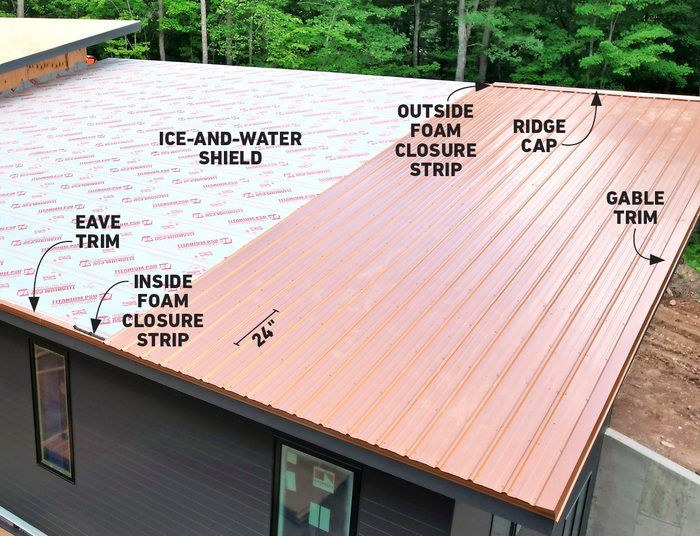


The Final Touches: Accessories and Edging
Metal roofs often come with various accessories designed to create a seamless, weatherproof installation. Flashings, drip edges, and sealants work together to direct water away from the roof and protect vulnerable areas like eaves, valleys, and intersections.
Moreover, these accessories ensure a professional finish, enhancing your home's curb appeal while contributing to its overall weather protection.
Ventilation: Maintaining a Healthy Roof
Adequate ventilation is crucial for the longevity of your metal roof and the overall health of your home. Proper airflow prevents trapped moisture, which can lead to mold growth, decay, or ice dams. Ridge vents, gable vents, and soffit vents are common options for maintaining adequate attic ventilation.
Metal roofs can accommodate various ventilation options, ensuring a balanced air exchange that keeps your home comfortable and dry. Specialty vents designed for metal roofs are available, providing a seamless appearance while promoting ventilation.
Choosing the right metal roof involves understanding its components and their roles in creating a durable, efficient system. By familiarizing yourself with the layers of a metal roof, you can make an informed decision that aligns with your home's needs and your long-term goals. Consult with a professional roofer to explore the possibilities and invest in a metal roof that will stand the test of time.
Related Articles

Understanding Hip Roof Pitch: A Comprehensive Guide
The pitch of a roof, a term often used in architecture and construction, is a critical aspect that determines the roof's aesthetics, functionality, and even...

Understanding Vehicle Etching: A Comprehensive Guide
Have you ever admired the intricate patterns and designs etched onto a vehicle's body? This is not just a mere scratching, but a specialized technique called...

Understanding Services Australia Healthcare: A Comprehensive Guide
Ever wondered about the healthcare services available in Australia? You're not alone. Understanding the intricacies of any health system can be complex, but...

Understanding Human Resource Capacity: A Comprehensive Guide
Human resource (HR) capacity, often referred to simply as workforce capacity, is a critical metric for businesses, reflecting the ability of the organization's...

Understanding Ribbon Cutting Ceremonies: A Comprehensive Guide
A ribbon cutting ceremony is a prolific and enduring symbol of new beginnings, marking the official inauguration or commencement of a project, building, or...

Understanding Work Pensions: A Comprehensive Guide
A work pension is a retirement savings plan established by an employer for its employees. It's a crucial component of many employee benefits packages...