Understanding Standard Operating Procedures: What Do They Do?
Imagine a bustling restaurant on a busy Saturday night. A dozen servers, five chefs, and two bartenders are all working in harmony to ensure guests have an enjoyable dining experience. This seamless operation is no accident; it's the result of standard operating procedures (SOPs). SOPs are step-by-step instructions that help businesses run smoothly by guiding employees through routine tasks and providing clear standards for quality and safety.
Now, instead of a restaurant, think of your business. Complex processes, daily tasks, and expectations need to be managed consistently to maintain productivity, quality, and customer satisfaction. That's where SOPs come into play. They become the roadmap for your business, ensuring everyone is on the same page and moving in the right direction.
The Role of Standard Operating Procedures
At their core, standard operating procedures simplify complex processes and provide guidelines for routine activities. They reduce the need for decision-making at every step, allowing teams to focus on their tasks efficiently and effectively.


SOPs not only guide employees but also ensure consistency in outcomes. A standard recipe in a restaurant ensures every dish tastes the same, regardless of who prepares it. Similarly, SOPs in your business ensure consistency in the quality of your products or services.
guides for Employees
SOPs serve as unbiased guides for employees. They provide clear, step-by-step instructions, reducing the need for guesswork and helping new employees get up to speed quickly. This is particularly important in industries with high employee turnover, where consistently training new staff can be time-consuming and costly.


In industries like manufacturing or healthcare, where safety is a paramount concern, SOPs can be life-saving. They ensure that proper safety protocols are followed at every step, reducing the risk of accidents and non-compliance penalties.
доки for Compliance and Accreditation
SOPs also play a crucial role in maintaining compliance and gaining accreditation. Many industries require businesses to adhere to specific standards and regulations. SOPs provide tangible proof that your business meets these standards, making the audit process smoother and enhancing your credibility.
For instance, in healthcare, SOPs are critical for achieving certifications like ISO 9001 or HIPAA compliance. In the food industry, SOPs contribute to gaining certifications like HACCP or SQF Level 2.
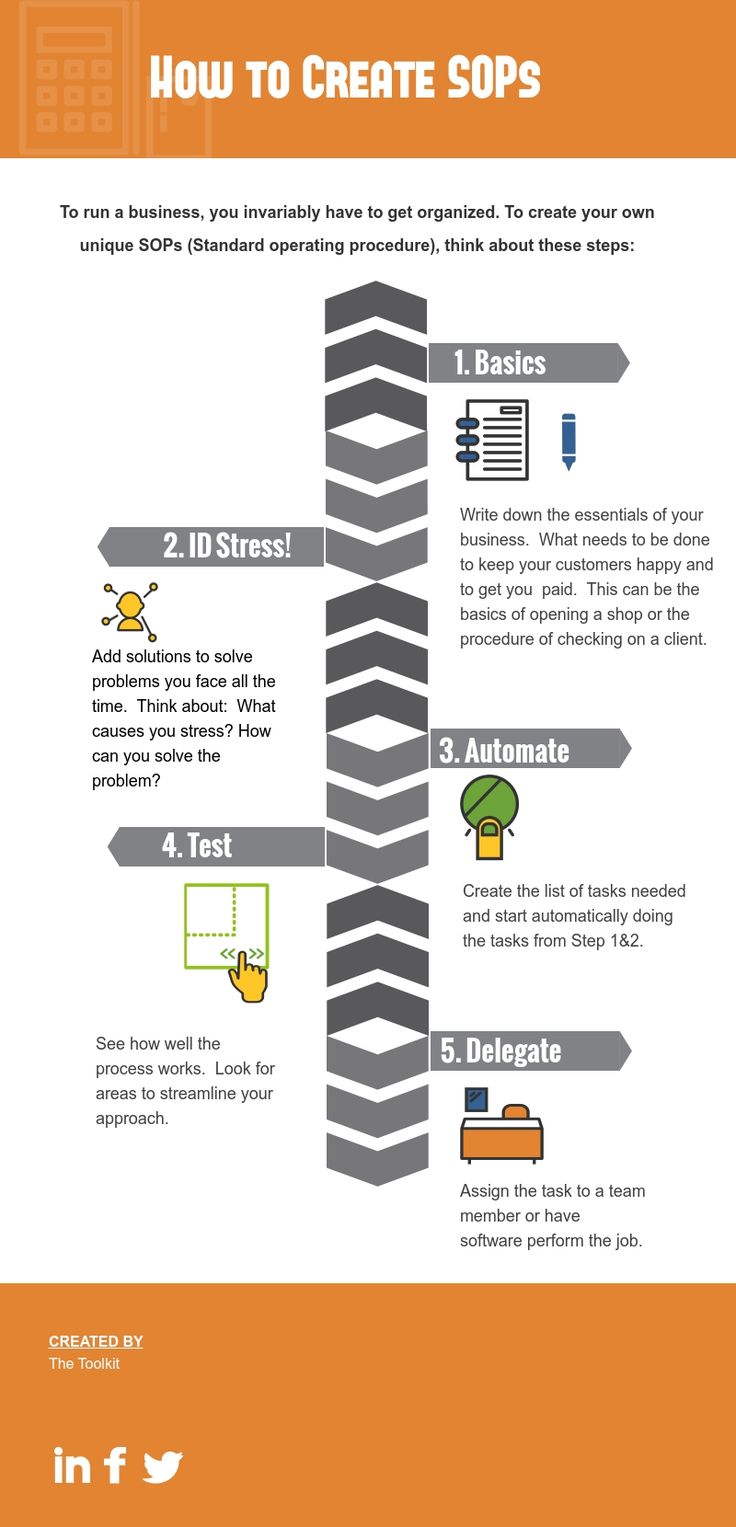


Creating and Implementing Standard Operating Procedures
Creating SOPs involves breaking down complex processes into simpler steps, defining clear objectives, and ensuring each step is realistic, achievable, and compliant with relevant regulations.
Implementing SOPs successfully involves communicating the changes clearly, providing adequate training, securing buy-in from employees, and regularly reviewing and updating the SOPs to ensure they remain relevant and effective.
Training and Effectiveness
Training is critical when implementing SOPs. Employees need to understand not just how to follow the SOPs but also why they are important. Involving employees in the creation process can enhance buy-in and encourage a culture of continuous improvement.
Regularly reviewing and updating SOPs ensures they remain relevant and effective. Businesses change over time, and SOPs should reflect these changes. Regular review also helps identify any steps that are no longer efficient or necessary, ensuring SOPs don't become a burden but rather a tool for improvement.
In conclusion, standard operating procedures are more than just a set of instructions; they're the heartbeat of your business. They keep operations running smoothly, ensure consistency in outcomes, guide employees, and contribute to compliance and accreditation. By creating and implementing effective SOPs, you're investing in the long-term success and sustainability of your business.
Related Articles

Understanding SOP: What is a Standard Operating Procedure?
In the realm of corporate governance and decision-making processes, the term "Statement of Purpose" (SOP) often appears, but what exactly does it entail? At...

Mastering Workflow: The Role of Standard Operating Procedures
Standard Operating Procedures (SOPs), often treated as mundane manuals gathering dust on shelf, are in fact, powerful tools in the workflow optimization...

File Allocation: Understanding OS Fundamentals
In the vast landscape of computer systems, the term "file allocation" is a crucial concept that underpins the functioning of operating systems (OS). This...

Understanding Roper Toe Boots: What Are They?
A roper toe boot, also known as a Western boot or cowboy boot, is a classic type of footwear that has been a staple in Western American culture for over a...

Understanding Low Crown Hats: What Are They?
The humble low crown hat, a stylish staple in many wardrobes, is often understated yetcoveted. But what exactly makes a hat 'low crown'? Let's delve into the...

Understanding ISO 9000: What is This Quality Management Standard?
ISO 9000: a standard that empowers businesses worldwide. Ever wondered what lies beneath this international seal of quality commitment? You're about to delve...