Understanding Safety Violations: What Are They?
The term "safety violation" is one that every individual, business, and regulatory body is familiar with, and yet its true implications are often misunderstood. At its core, a safety violation refers to any action or omission that contravenes established safety rules, regulations, or procedures, potentially endangering people, property, or the environment.
Safety violations come in many shapes and sizes, from minor infractions like not wearing safety gear to major transgressions such as improper handling of hazardous materials. Each violation, regardless of its magnitude, contributes to a culture of non-compliance that can lead to accidents, injuries, and devastating losses.
Understanding Safety Violations
To fully grasp the concept of safety violations, it's crucial to look at their underlying causes, impacts, and legal implications.


Safety violations can stem from intentional disregard for safety protocols, lack of adequate training, or unintentional neglect in high-pressure situations. They often occur when people are focused on productivity or efficiency at the expense of safety, or when they are not aware of the potential hazards involved in their actions.
Causes of Safety Violations
Human factors are the most common cause of safety violations. These include fatigue, stress, lack of knowledge or training, and simple errors. Organizational factors like poor safety culture, inadequate resources, or pressure to meet production goals also play a significant role.


Moreover, external factors such as ever-changing regulations, new technologies, and evolving work environments can lead to safety violations, especially when these changes are not effectively managed.
Impacts of Safety Violations
Safety violations can result in severe consequences, both immediate and long-term. They can cause accidents and injuries, leading to loss of life, disability, and other health issues. Additionally, they can damage property and the environment, resulting in costly repairs, cleanup operations, and environmental degradation.
The negative impacts extend beyond the immediate aftermath of an incident. Safety violations can lead to lawsuits, increased insurance premiums, damaged reputation, and reduced productivity. They can also result in severe penalties for organizations and individuals, including fines, probation, or even imprisonment in severe cases.



The Role of Regulations and Enforcement
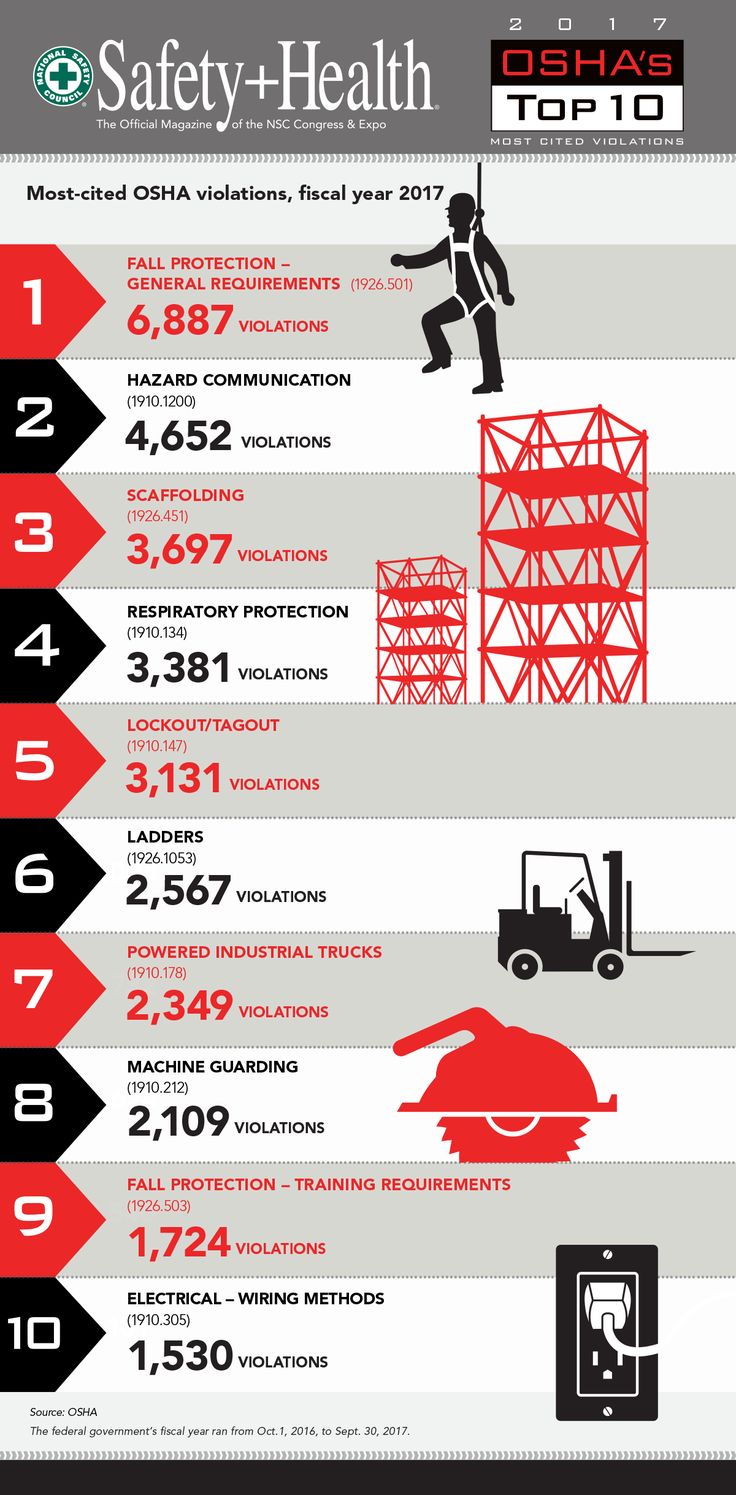
The majority of safety violations are governed by regulatory bodies that set standards and enforce compliance. These agencies, such as OSHA in the US or the HSE in the UK, establish rules and conduct inspections and audits to ensure workplaces are safe.
Compliance with these regulations is not just a legal requirement, but also a moral obligation that every organization and individual should uphold.
Regulatory Compliance
Regulations aim to provide a minimum standard of safety. However, compliance should not be seen as the end goal, but rather as the starting point. Organizations should strive to exceed these minimums and create a robust safety culture that prioritizes the well-being of people and the environment above all else.
Regular training, robust hazard analysis, and a strong safety management system are essential for achieving and maintaining compliance. Moreover, a culture of open communication and encouragement of safe practices can significantly reduce the likelihood of safety violations.
Enforcement and Penalties
Regulatory bodies enforce compliance through regular inspections, investigations, and audits following incidents. Penalties for non-compliance can be severe and include fines, citations, and even temporary or permanent closure of operations.
Individuals too can face penalties, ranging from disciplinary actions like suspensions or dismissals to legal consequences such as fines or imprisonment in severe cases. These penalties serve not just as punishment, but also as a deterrent, encouraging organizations and individuals to adhere to safety protocols.
In the realm of safety, every violation is a missed opportunity to uphold the fundamental right to a safe environment. By understanding and mitigating the causes of safety violations, we can create safer workplaces, protect our environment, and ultimately save lives. It is incumbent upon each of us, every day, to prioritize safety above all else.
Related Articles

Understanding Traffic Moving Violations: A Comprehensive Guide
A traffic moving violation is an infraction committed by a driver while operating a vehicle on public roads. These violations are typically classified as...

Understanding Circle Violations in Softball: Key Rules Explained
softerball, a beloved sport across various age groups and genders, has a unique set of rules that ensure fairness and safety. One such rule is the 'circle...

Understanding Roper Toe Boots: What Are They?
A roper toe boot, also known as a Western boot or cowboy boot, is a classic type of footwear that has been a staple in Western American culture for over a...

Understanding Low Crown Hats: What Are They?
The humble low crown hat, a stylish staple in many wardrobes, is often understated yetcoveted. But what exactly makes a hat 'low crown'? Let's delve into the...

Understanding Tethered Personal Health Records: What Exactly Are They?
A Tethered Personal Health Record (PHR) is a digital version of an individual's medical history that is stored and maintained by a healthcare provider or an...

Understanding SKEL Files: What Are They & How To Use Them
A SKEL file, short for 'Skeletal Avatar File', is a 3D model format primarily used in video games and animation. It's a critical component in creating...