Why We Need Standard Operating Procedures
Standard Operating Procedures (SOPs) are the backbone of any organized operation, pervading various industries and institutions. But why are they so integral? In essence, SOPs ensure consistency, efficiency, and safety by outlining step-by-step processes for recurring tasks. They are the roadmaps that guide employees through their day-to-day activities, preventing misunderstandings, errors, and lapses in judgment.
Think of manual driving versus autonomous navigation. Without clear, pre-programmed instructions, a car would meander aimlessly, or worse, collide with obstacles. Similarly, in enterprise settings, without SOPs, chaos and inefficiency could reign. SOPs are the 'the safety belts' and 'navigation systems' that keep businesses on track and secure.
Efficiency and Productivity
Imagine a bustling restaurant kitchen during peak hours. The chef doesn't have time to explain each task to every newcomer. That's where SOPs step in. They serve as a training manual and guide, allowing new recruits to acclimate quickly and contribute effectively. This speed of onboarding contributes to overall efficiency and productivity.


A well-defined SOP can also reduce decision-making time. Employees don't have to waste time wondering how to approach a task. Instead, they follow the SOP, enabling swift action and improved productivity. Think of it as a GPS system; it might seem like a rigid structure, but it expedites the journey significantly.
Consistency in Quality
The same recipe should yield the same dish, right? Whether it's peeling potatoes or preparing a marketing report, SOPs ensure consistency in quality. They eliminate the 'human error' factor, reducing variation and enhancing reliability. After all, a business is only as good as its output, and SOPs ensure that output is of consistent, high quality.


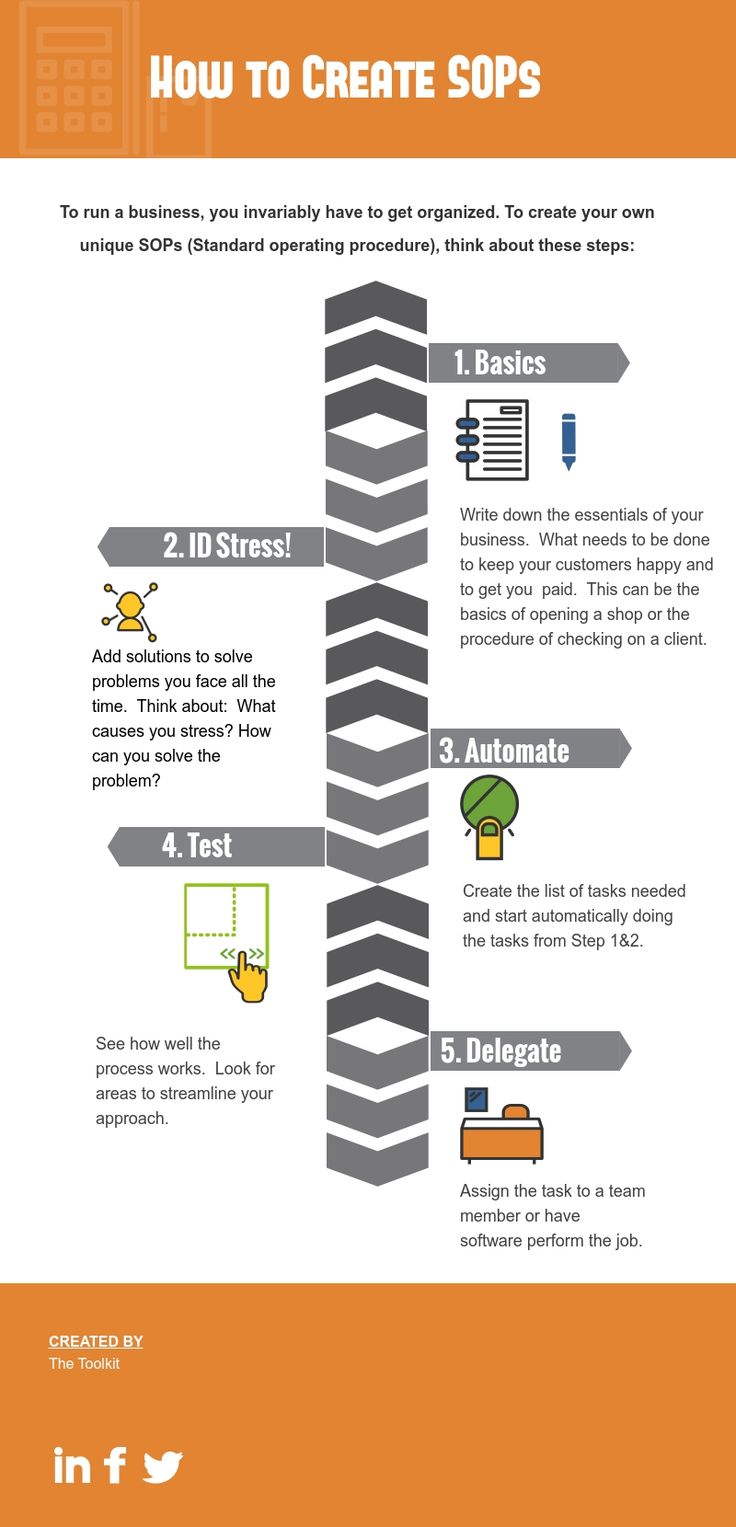
Consider the McDonald's example. Despite being one of the largest food chains globally, it maintains high levels of consistency, thanks largely to its SOPs. From burger assembly to food handling, everything is meticulously outlined, ensuring that your Big Mac in New York tastes exactly like the one in Tokyo.
Safety and Compliance
SOPs are not just about productivity and quality; they are crucial for safety and compliance. They outline regulations, checklist employee duties, and highlight potential hazards. By following SOPs, employees reduce the risk of injuries and legal transgressions. For instance, office SOPs might include instructions on proper lifting techniques to prevent injury and guidelines on data handling to maintain compliance with privacy laws.
In industries like healthcare or manufacturing, SOPs can be life-critical. They detail procedures for emergency situations, ensuring swift and correct response. For example, SOPs guide medical professionals through CPR procedures or instruct factory workers on equipment operation. Non-adherence to SOPs can lead to severe consequences, making these protocols invaluable for legal and ethical reasons.


The Role of SOPs in Continuous Improvement
SOPs are not static; they evolve over time. Regular audits and reviews update and improve SOPs, ensuring they remain relevant and effective. This continuous improvement process fosters a culture of efficiency, promoting better practices and driving progress.
Moreover, SOPs serve as a benchmark for performance evaluation. They allow managers to identify areas of weakness and opportunities for enhancement. This data-driven approach helps businesses refine their strategies, drive innovation, and strive for perfection.
Empowering Staff and Building Culture
SOPs don't just serve the business; they empower employees. By diminishing confusion and uncertainty, SOPs reduce stress and boost confidence. Employees know what is expected of them, enabling them to contribute effectively and grow professionally. This empowerment fosters a positive work culture, improves employee satisfaction, and drives engagement.

Remember, SOPs are not just about efficiency and performance. They are about people. They are about creating a working environment that is safe, consistent, and conducive to growth. They are about empowering employees to achieve their best and helping them reach their full potential.
In the grand symphony of operations, Standard Operating Procedures are the conductors, guiding the orchestra towards a harmonious performance. They may seem rigid, but they are the foundation for flexibility, growth, and success. After all, as the old adage goes, 'the best way to predict the future is to invent it.' And SOPs are the blueprints for that invention.
Related Articles
Why are SOPs Essential?
Imagine running a busy restaurant kitchen without a clear plan on how to prepare each dish - chaos would surely ensue. Now, think about your business. Without...

"Why Standard Operating Procedures (SOPs) are Crucial in the Workplace"
In the contemporary workspace, a **Statement of Purpose (SOP)** is more than just a document; it's a powerful tool that can propel your career forward or...

Standard Operating Procedures SOP: Your Teamwork Blueprint
Standard Operating Procedures (SOPs) are*) memo-vered processes that guide employees through repeatable business tasks, ensuring consistency, compliance, and...
Standard Operating Procedure Templates in Microsoft Word
Crafting standard operating procedures (SOPs) is a vital aspect of ensuring consistency, efficiency, and compliance in any organization. Microsoft Word, with...

When to Get a Standard Operating Procedure (SOP)
When navigating the complex world of academic admissions or professional recruiting, a Statement of Purpose (SOP) often becomes a vital document. But when...

ISO Format: Mastering Standard Operating Procedures
In the realm of documentation and quality management systems, the Standard Operating Procedure (SOP) is a critical ingredient. Its format, however, can vary...