Zebrafish Keeping: A Comprehensive Guide
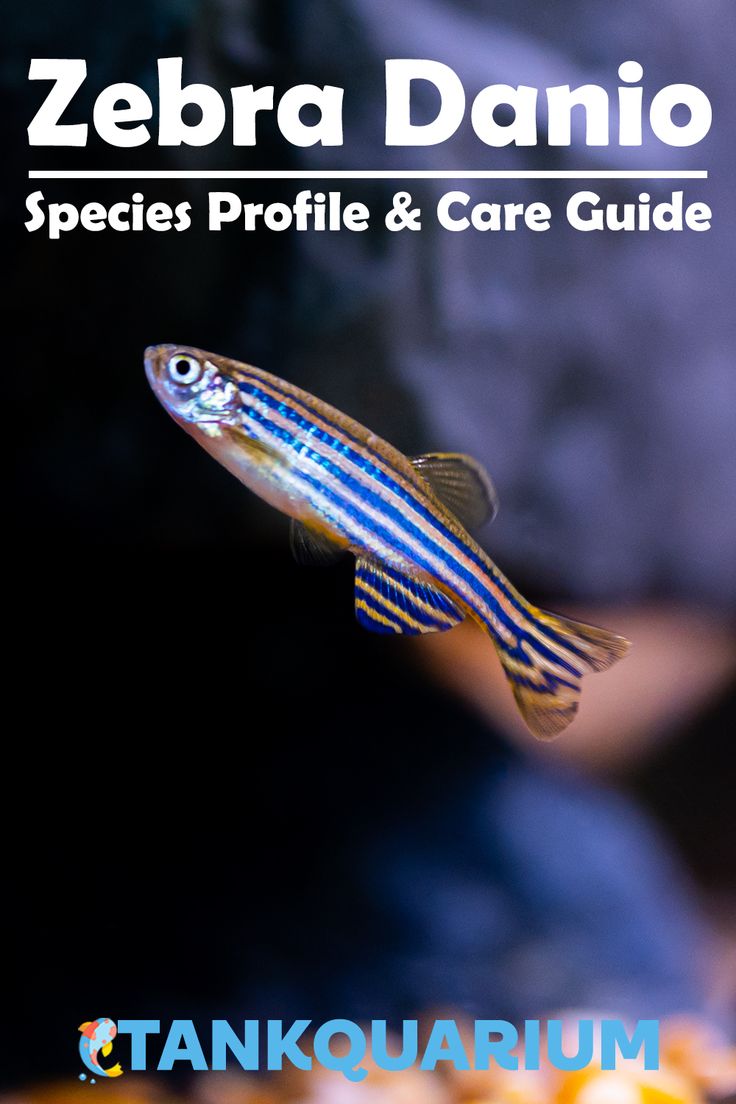
Zebrafish, scientifically known as Danio rerio, are becoming increasingly popular among hobbyists and professionals alike, offering a captivating and rewarding aquarium-keeping experience. With their distinctive black and white stripes, vibrant colors, and lively behavior, these tropical freshwater fish have much to offer enthusiasts. But what does it take to keep these delightful creatures happy and healthy? Let's dive in and explore the captivating world of zebrafish keeping.
Whether you're a seasoned aquarist or just starting your aquatic journey, understanding the unique needs and habits of these mesmerizing fish is crucial for creating an optimum environment. And with the added bonus of their scientific significance due to their genetic similarity to humans, keeping zebrafish can be both fascinating and meaningful.
Setting Up a Zebrafish Aquarium
Creating a suitable habitat for your zebrafish begins with selecting the right aquarium. These active fish require ample space to swim and explore, making a 10-gallon tank the minimum recommended size for a pair. However, larger tanks are always appreciated and can accommodate more fish while providing a more naturalistic environment.


But size isn't the only consideration. As opportunistic egg layers, zebrafish produce a large number of eggs, so providing plenty of hiding spaces with plants, caves, and ornaments is essential to protect both the eggs and the fry from their often cannibalistic parents.
Aquarium Decor and Substrate
When it comes to decor, zebrafish are quite adaptable and will appreciate both live plants and artificial ones. Live plants not only look beautiful but also help maintain water quality by absorbing nitrates and providing additional oxygen. However, be mindful of your choice of plants, as some may be too heavy or sharp for the delicate fry.


The substrate you choose should be fine-grained and smooth to prevent injuries to the fish while allow for easy egg laying. While gravel may seem appealing, it's best to avoid it, as the eggs can easily become trapped within the spaces between larger grains.
Filtration and Heating
Proper filtration is crucial for maintaining a healthy environment for your zebrafish. A gentle filter that doesn't create a strong current is ideal, as these fish are sensitive to water flow. Hang-on-back (HOB) filters or canister filters with adjustable flow rates are excellent choices.
As tropical fish, zebrafish require a consistent water temperature between 72°F and 79°F (22°C to 26°C). A reliable heater is an essential piece of equipment, especially if you live in a colder climate. Always ensure that the heater has a secure base to prevent it from tipping and causing harm to your fish.



Creating Optimum Water Conditions
Water quality is paramount for the health and well-being of your zebrafish. It's crucial to test your water parameters regularly to ensure they remain within the accepted ranges. The ideal pH level for zebrafish is slightly acidic, with a range of 6.5 to 7.0. However, they can tolerate a broader range of 6.0 to 8.0, given time for acclimatization.
Ammonia and nitrite should always be at 0 ppm, as these toxins are harmful, even in trace amounts. Nitrate should be kept below 20 ppm, with regular water changes to maintain water quality. Test kits are readily available to monitor these parameters, ensuring that your fish thrive in a safe and clean environment.
Water Changes and Extra Care
Regular water changes are vital for maintaining water quality and removing harmful waste products. A general rule is to perform weekly water changes of 25-30% of the total tank volume. However, this may vary depending on your filtration system and stocking level, so it's essential to monitor your water parameters regularly.

In addition to water changes, providing regular feeding and careful monitoring of your fish's health will help ensure their longevity. A varied diet consisting of both commercial flakes and frozen foods, such as brine shrimp and daphnia, will help maintain their vibrant colors and overall well-being. Remember, overfeeding is not only unnecessary but can also lead to poor water quality and health issues for your fish.
The Joy of Breeding Zebrafish
Zebrafish are prolific breeders, with females capable of laying up to 300 eggs per week. Breeding these fish can be an exciting and rewarding experience, allowing you to observe their fascinating reproductive behavior and potentially introduce new generations of these captivating creatures into your aquarium. However, it's essential to create a separate breeding tank to protect the valuable eggs and fry from predation.
To induce spawning, elevate the temperature to around 82°F (28°C) and increase the amount of live food offered to the breeding pair. After spawning, carefully remove the pair from the breeding tank and provide them with plenty of hiding places, as they may consume their eggs or fry. With proper care, the eggs will hatch within 48 hours, and the fry should be free-swimming within four days.
It's fascinating how such small, seemingly delicate creatures can bring so much joy and enrichment to our lives. With a little understanding and careful attention to their needs, zebrafish can thrill and satisfy aquarists of all skill levels. So go ahead, dive in, and let these incredible fish captivate your imagination. Happy zebrafish keeping!
Related Articles

Mastering the Game: A Comprehensive Guide to Keeping Basketball Scores
Keeping a basketball score might seem straightforward, but it can be a complex task if you're not familiar with the rules and scoring system. As the game's...
Mastering Basketball Scoring: A Comprehensive Guide
Step onto any basketball court, whether it's a professional arena or a local park, and you'll find scores being kept. It's a fundamental part of the game...

Clock Hand & Arm: A Comprehensive Guide
The concept of a "clock hand" and "clock arm" often gets overlapped, but they actually refer to two distinct components of a mechanical clock. Let's delve into...

Sweatshirt Material Types: A Comprehensive Guide
Sweatshirts, a staple in casual wardrobes worldwide, have long been recognized for their comfort and practicality. But have you ever wondered what kind of...

Understanding Vehicle Etching: A Comprehensive Guide
Have you ever admired the intricate patterns and designs etched onto a vehicle's body? This is not just a mere scratching, but a specialized technique called...

Accessible Toilet Stall: Your Comprehensive Guide
Every public space should ensure accessibility for all users, including those with disabilities. One often overlooked aspect is the design and accessibility of...