Commercial Lease Renewal Agreements
When your business occupies a commercial space under a lease, renewal is a critical process that requires careful planning and understanding. This is particularly true when considering the complexity of commercial lease renewal agreements, which can significantly impact your business's operations and expenses. As the expiration date of your current lease approaches, it's essential to navigate the renewal process effectively to secure favorable terms and continuity for your business.
A well-negotiated commercial lease renewal agreement can lead to significant financial benefits, improved working conditions, and long-term security for your business. However, without meticulous planning and negotiation, you might end up with unfavorable lease terms that could hinder your business's growth or even force relocation. This comprehensive guide will walk you through the intricacies of commercial lease renewal agreements, ensuring you make informed decisions that protect your business's interests.
Understanding Commercial Lease Renewal Agreements
Before delving into the negotiation process, it's crucial to comprehend the basics of commercial lease renewal agreements. Commercial leases typically have renewal clauses that trigger the automatic renewal of the lease if neither party takes action before the expiration date. However, these clauses can vary significantly, with some providing favorable terms and others requiring renegotiation or applying renewal terms that may be disadvantageous to the tenant.

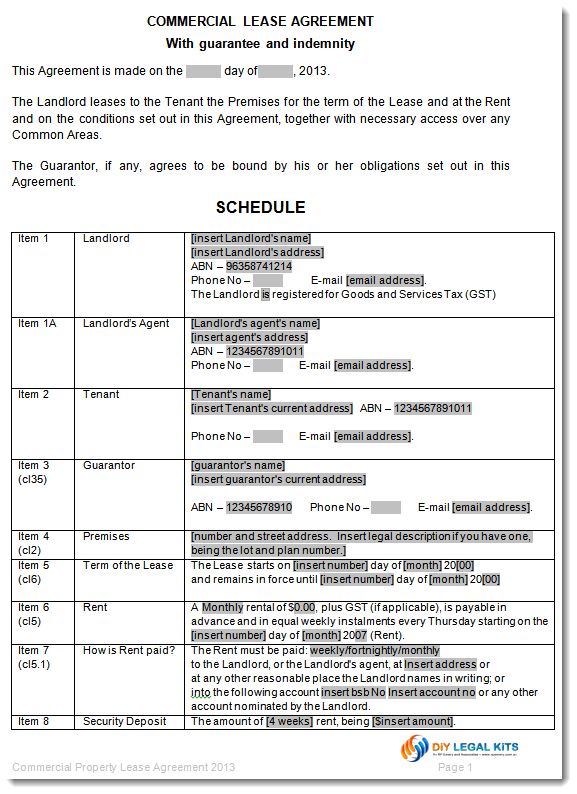

By familiarizing yourself with your lease's renewal clause, you can better anticipate the renewal process and prepare accordingly. If your lease does not have a renewal clause, or if the terms are unfavorable, you may need to initiate negotiations earlier to secure favorable renewal terms.
When to Start Negotiations for Commercial Lease Renewal
Timing is critical in the commercial lease renewal process. Starting negotiations too early may give your landlord the upper hand, while waiting too long could limit your negotiation power and potentially force you into accepting unfavorable terms. Ideally, commercial tenants should begin renewal negotiations 12 to 18 months before the lease expiration date. This timeline allows both parties sufficient time to review and discuss terms while providing tenants ample opportunity to explore alternative spaces if renewal negotiations prove unsuccessful.


Factors to consider when determining the optimal start time for renewal negotiations include the local commercial real estate market conditions, the strength of your current lease, and your business's expansion or contraction plans. In markets with high demand and low vacancy rates, early negotiations can help you secure a renewal and prevent the landlord from taking advantage of favorable market conditions.
Renewal lease rent and terms assessment
Before approaching your landlord or property manager, assess your current lease rent and terms to understand the best starting point for negotiations. If you've had a stable tenancy and the landlord has maintained the property well, you may be in a strong position to negotiate lower rent or improved terms. Conversely, if you've experienced several late payments, needed emergency repairs, or otherwise strained the landlord-tenant relationship, you may face a uphill battle during renewal negotiations.
Review your current lease agreement and market trends to determine a reasonable rent range for your renewal. Consider factors such as market conditions, the property's physical condition, and your business's needs and growth prospects. Be prepared to justify your proposed rent and terms based on this research, as landlords are more likely to agree to favorable terms when they understand your position and the market data backing it.


Negotiating Commercial Lease Renewal Terms
With a clear understanding of the market, your current lease rent and terms, and the optimal timing for negotiations, you can approach your landlord with confidence and focus on securing a beneficial renewal agreement. The negotiation process may encompass various aspects, so it's essential to address each factor strategically to safeguard your business's interests.
Some key elements to consider during negotiations include rent, lease duration, rent increases, renewal options, and assignment and subletting clauses. It's crucial to maintain a balance between securing favorable terms and protecting your landlord's interests, as this can facilitate a smooth renewal process and foster a strong long-term tenant-landlord relationship.
Negotiating Rent and Lease Duration
Rent and lease duration are typically the most contentious aspects of commercial lease renewal negotiations. To secure a favorable rent agreement, consider seeking a multi-year lease with a rent escalation clause tied to market conditions or a fixed rent increase. This approach can provide stability and predictability for your business while addressing your landlord's desire for rental income growth.
When negotiating lease duration, consider your business's growth plans and long-term goals. A longer lease term can offer more security and flexibility, allowing you to commit to extensive renovations or expansions without the worry of an impending lease expiration. However, a shorter lease term may provide more flexibility and negotiation power, particularly in dynamic markets where rental rates and occupancy costs can fluctuate significantly. Weigh the pros and cons of different lease durations before engaging in rental discussions with your landlord.
Negotiating Renewal Options, Assignment, and Subletting Clauses
Renewal options, assignment, and subletting clauses can provide valuable flexibility and security during the lease renewal process. Renewal options give tenants the right to extend their lease for a specified period at the end of the initial lease term. Negotiating renewal options can ensure continuity for your business and provide a safety net in case you're unable to secure a long-term renewal agreement.
Assignment and subletting clauses enable tenants to transfer their lease to another tenant (assignment) or rent out a portion of their space to a third party (subletting). These clauses can be particularly valuable for growing businesses that may need to vacate their space temporarily or expand their operations. To maximize flexibility and protect your business's interests, negotiate assignment and subletting clauses that limit the landlord's right to reject suitable assignees or subtenants and impose reasonable fees and conditions for transfers.
Preparing for Commercial Lease Renewal Negotiations
Before initiating lease renewal discussions with your landlord or property manager, take steps to strengthen your negotiating position and ensure a successful outcome. This preparation process can involve various strategies, such as gathering market data, engaging with a commercial real estate broker, and documenting your business's value and lease history.
A well-prepared tenant can command a stronger negotiation stance and more favorable renewal terms. By investing time and resources into the preparation process, you can better represent your business's interests and secure a lease renewal agreement that supports your long-term growth and success.
Gather Market Data and Research
To make a compelling case during lease renewal negotiations, gather comprehensive market data and research that supports your proposed rent and terms. Analyze recent lease transactions in your area, evaluate local market trends, and assess your property's physical condition and location. This data can help you identify a reasonable rent range and build a strong argument for your desired terms.
Additionally, research your landlord's other properties and their current occupancy rates. Understanding your landlord's priorities and needs can provide valuable insights into their negotiation strategies and help you tailor your approach accordingly. By demonstrating a thorough understanding of the market and your property's value, you can strengthen your negotiating position and increase the likelihood of securing favorable renewal terms.
Engage with a Commercial Real Estate Broker
Working with an experienced commercial real estate broker can provide significant advantages during the lease renewal process. A skilled broker can help you assess market conditions, evaluate your lease's strengths and weaknesses, and develop a strategic negotiation plan. By leveraging their industry connections and expertise, you can gain valuable insights into the local commercial real estate landscape and better represent your business's interests in renewal discussions.
Moreover, commercial real estate brokers can assist with property inspections, document review, and transaction negotiations, ensuring a smooth and efficient renewal process. While engaging a broker may incur additional costs, their experience and knowledge can ultimately save you time, money, and effort in securing a favorable lease renewal agreement.
Successfully navigating the commercial lease renewal process requires a well-informed and strategic approach. By understanding the intricacies of renewal agreements, commencing negotiations at the optimal time, and preparing thoroughly, you can secure a lease renewal that supports your business's growth and long-term success. In the dynamic world of commercial real estate, staying informed and proactive is key to maintaining a competitive edge and protecting your business's interests. As you approach your next lease renewal, use this comprehensive guide to your advantage and negotiate a lease renewal agreement that sets your business up for success.
Related Articles
Commercial Lease Renewal Agreement Template
Navigating the complexities of commercial real estate involves a multitude of legalities, and one of the vital documents in this realm is the commercial lease...
Renew Your Perfect Fit: Expert Tips for Commercial Lease Agreement Renewal
When your business has outgrown its current space or your lease is approaching its expiry, understanding the nuances of commercial lease agreement renewal...

Renew Your Toronto Commercial Lease: Ontario's Top Tips
Renewing a commercial lease in Ontario can be a complex process, but it needn't be daunting. With the right knowledge and a well-crafted commercial lease...

Understanding Estoppel Certificates in Commercial Lease Agreements
Discovering a commercial lease's finer details often includes cameos from legal terms like the estoppel certificate. This document, seemingly ubiquitous in...

Renew Your Lease: Sample Letter for Tenancy Agreement
As a tenant, when your lease term is about to expire, it's crucial to understand the process of renewing your tenancy agreement. A well-crafted sample letter...
Commercial Lease Renewal Form: Streamline Your Business
The period between leases can be a crunch time for businesses, especially when it comes to negotiating lease renewals. One essential document that plays a...