**Example Lease Renewal Agreement: A Step-by-Step Walkthrough**
A lease renewal agreement, also known as a lease extension, is a legal contract that allows a tenant to continue occupying a property after their initial lease term has ended. This agreement is vital for both tenants and landlords as it ensures continuity of tenancy and provides a clear understanding of the new lease terms.
Renewing a lease can benefit both parties by avoiding the costs and hassles associated with finding a new tenant or a new property. It also allows tenants to build a rapport with their landlords and vice versa, fostering a positive tenant-landlord relationship.
Understanding Lease Renewal Agreements
Lease renewal agreements are typically based on the original lease with some modifications. However, the terms can vary significantly depending on the agreement between the landlord and tenant.


These agreements often have different terms compared to the initial lease. For instance, the rent may be increased, the duration of the lease might change, or there might be modifications to the lease conditions.
Key Elements in a Lease Renewal Agreement
While lease renewal agreements can vary greatly, they typically include several key elements:


- Identification of the Parties Involved: The agreement should clearly identify the tenant and landlord, as well as the property being rented.
- Start and End Date: The new lease term should be specified, including the effective date of the renewal.
- Rent Amount and Frequency of Payments: The renewal should outline the new rent amount and how often it should be paid (monthly, annually, etc.).
- Security Deposit: The renewal should specify the amount of the security deposit, if any, and how it will be handled.
- Lease Terms and Conditions: The renewal should reference or attach a copy of the lease terms and conditions. These might have changed since the original lease.
Changes in a Lease Renewal Agreement
Here are some common changes that may occur in a lease renewal agreement:
- Rent Increase: Landlords may increase the rent to reflect changes in the market or maintenance costs.
- Lease Duration: The renewal may be for a different period than the original lease. For instance, it might be for a longer or shorter term, or it might turn a month-to-month lease into a yearlong lease.
- Pet Policy: The landlord may decide to change the pet policy, either allowing pets or disallowing them, or changing the pet fees or deposits.
Preparing for a Lease Renewal
Before agreeing to a lease renewal, both tenants and landlords should thoroughly review the terms of the original lease, any addenda, and any correspondence between them.
Tenant permission is often required before changes are made to the lease, especially those that could adversely affect the tenant. Landlords must ensure the renewal complies with all local laws and that the tenant understands their rights and obligations under the new lease.


Negotiating the Lease Renewal
Tenants and landlords may negotiate the terms of the renewal just like they would a new lease. A tenant may agree to a rent increase in exchange for improvements to the property or other concessions from the landlord.
Negotiations typically occur near the end of the lease term, and both parties should make every effort to reach an agreement before the lease expires to avoid potential legal disputes or delays in renewing the lease.
Signing the Lease Renewal Agreement
Once both parties have agreed to the terms of the renewal, they should sign the lease renewal agreement. The landlord should provide a copy of the signed renewal to the tenant and keep a copy for their records.

In the dynamic world of property rental, a well-understood and smoothly negotiated lease renewal agreement can be a win-win for both the tenant and the landlord, fostering a stable and long-term rental relationship.
Related Articles
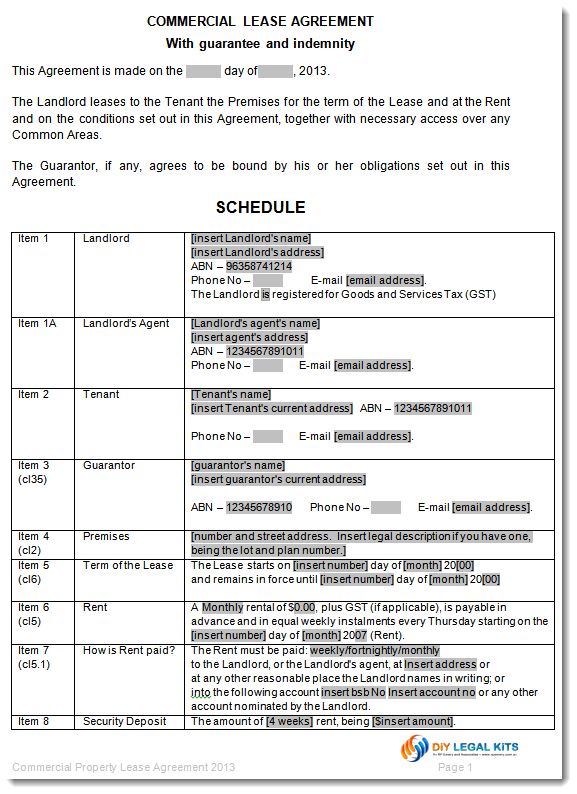
Commercial Lease Renewal Agreement Template
Navigating the complexities of commercial real estate involves a multitude of legalities, and one of the vital documents in this realm is the commercial lease...

Renew Your Lease: Sample Letter for Tenancy Agreement
As a tenant, when your lease term is about to expire, it's crucial to understand the process of renewing your tenancy agreement. A well-crafted sample letter...
Renew Your Perfect Fit: Expert Tips for Commercial Lease Agreement Renewal
When your business has outgrown its current space or your lease is approaching its expiry, understanding the nuances of commercial lease agreement renewal...
Printable Lease Renewal Agreement Ontario
Are you a landlord or tenant in Ontario looking to renew your lease? Understanding the printable lease renewal agreement process can help ensure a smooth and...

Renew Your Toronto Commercial Lease: Ontario's Top Tips
Renewing a commercial lease in Ontario can be a complex process, but it needn't be daunting. With the right knowledge and a well-crafted commercial lease...

Non-Renewal of Lease Agreement Notification
Have you received a "non-renewal of lease agreement" letter from your landlord or property manager? Don't panic; this guide will walk you through...