"Top Fiat Backed Stablecoins: Examples & Key Features"
In the ever-evolving landscape of cryptocurrency, a type of digital asset has gained significant traction for its stability and tangible backing: fiat-backed stablecoins. These coins derive their value from real-world currencies, offering accessibility and reliability that appeals to both crypto newcomers and seasoned investors alike. Let's delve into the world of fiat-backed stablecoins, their advantages, and some notable examples.
Before we explore specific fiat-backed stablecoins, it's essential to understand the role they play in the crypto ecosystem. Stablecoins, in general, serve as a bridge between traditional finance and cryptocurrency by providing a stable foundation for transactions, investments, and exchanges. Their value is typically pegged to the price of a stable asset, such as the US Dollar, which can be beneficial during market fluctuations and periods of crypto volatility.
Understanding Fiat-Backed Stablecoins
Fiat-backed stablecoins, as the name suggests, are tied to the value of specific national currencies. The coins' issuing entities maintain reserves equivalent to the circulation of coins, ensuring that each coin can be redeemed for its respective fiat currency. This backing mechanism provides transparency and trust, as investors and users know exactly what they're dealing with.

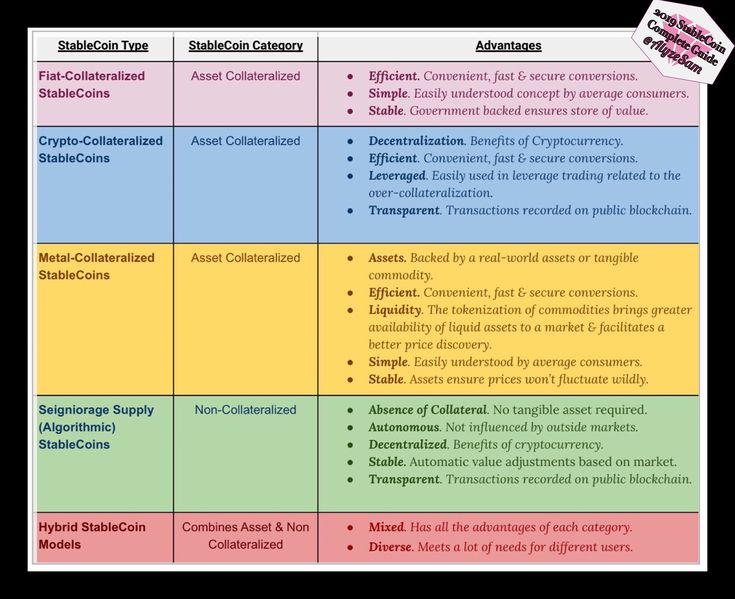

Distinct from other types of stablecoins, like algorithmic or commodity-backed stablecoins, fiat-backed stablecoins rely solely on their tangible reserves for stability. This simplistic yet effective approach makes them an attractive entry point for those exploring the world of cryptocurrency.
Reserve Management and Audits
To maintain the trust and reliability of the stablecoin, issuers must transparently manage their reserves and undergo regular audits. This process involves verifying that the stablecoin's market capitalization is accurately represented in the reserve assets. Traditionally, these reserves are held in highly liquid and low-risk securities like government bonds, cash equivalents, or US Treasuries.


Prominent stablecoin issuers publish monthly or quarterly reports detailing their reserves' composition and growth. Third-party audits further add credibility to the stablecoin project, as independent firms assess and verify the reserve backing.
Regulatory Compliance
Due to their direct link to fiat currencies, fiat-backed stablecoins fall within the regulatory purview of national authorities. To operate legally, stablecoin projects must comply with anti-money laundering (AML) and know your customer (KYC) procedures, as well as other financial regulations.
Close collaboration with regulatory bodies ensures that fiat-backed stablecoins maintain their financial integrity and user safety. Although regulations can introduce additional operational complexity, they ultimately bolster trust and legitimacy in the stablecoin sector.


Examples of Fiat-Backed Stablecoins
Now that we've established the foundational principles of fiat-backed stablecoins let's explore some real-world examples that have made significant strides in the crypto space.
Each stablecoin on this list offers unique features and benefits, but all share the common trait of being backed by reserves of their respective fiat currencies. By examining these examples, we can appreciate the diversity and resilience of fiat-backed stablecoins.
Tether (USDT)
Arguably the most well-known fiat-backed stablecoin, Tether plays a crucial role in the cryptocurrency ecosystem. USDT is pegged to the US Dollar and is supported by a reserve consisting primarily of cash and cash equivalents, US Treasury Bills, and other short-term bonds.
Tether's widespread adoption has been facilitated by its availability on numerous exchanges, extensive trading pairs, and seamless integration with various blockchain networks. As of writing, USDT is one of the largest stablecoins by market capitalization, demonstrating the trust investors place in its stable value.
USD Coin (USDC)
Backed by US Dollars and redeemable for $1.00 per coin, USDC is a fully regulated and compliant stablecoin by the New York Department of Financial Services (NYDFS). USDC's issuer, Circle, subjects its reserves to regular audits by leading accounting firms, providing transparency and trust.
In addition to its robust regulatory compliance, USDC stands out for its commitment to fostering a decentralized and open economic system. The stablecoin supports leading blockchain projects and interoperability initiatives, ensuring seamless integration and functionality within the crypto ecosystem.
Pax Dollar (USDP)
Issued by Paxos, a regulated blockchain infrastructure company, USDP is a fully-backed, regulated, and compliant stablecoin. Like USDC, USDP is domiciled in New York and falls under the jurisdiction of the NYDFS. The stablecoin' reserves are audited quarterly by a leading accounting firm to ensure full US Dollar backing.
Pax Dollar's mission focuses on establishing a secure, global monetary system that fosters financial inclusion and accessibility. This vision has resonated with investors, as USDP has gained significant market share and is recognized as one of the leading stablecoins.
Dai (DAI)
Dai, although not solely fiat-backed, warrants mention in this list due to its unique design and the role it plays in the crypto ecosystem. Dai is a decentralized, algorithmic stablecoin that maintains its price at $1 USD primarily through a system of incentives but can also be collateralized by various assets, including US Dollars.
As an open-source project on the Ethereum blockchain, Dai fulfills the foundational principles of decentralization and trustlessness. Although its stability mechanism differs from traditional fiat-backed stablecoins, Dai still plays an essential role in the crypto economy, particularly in DeFi applications.
As the crypto landscape continues to evolve, fiat-backed stablecoins will likely remain staple components of the ecosystem. Their stability, transparency, and regulatory compliance make them an attractive option for investors, traders, and users seeking a reliable entry point or safe haven during market fluctuations. By exploring the examples presented here, interested parties can gain a deeper understanding of the diverse range of fiat-backed stablecoins and the crucial role they play in the broader crypto narrative.
Related Articles

Commodity Backed Stablecoins: Real-World Examples
Stablecoins, cryptocurrencies that aim to maintain a stable value, are gaining significant traction in the blockchain landscape. One popular approach to...
Best Stablecoins to Buy: Top Examples, Guide & Comparison
In the dynamic landscape of cryptocurrency, stablecoins have emerged as a reliable alternative, offering the best of both worlds: the decentralization and...
Stablecoin Examples: Top Stablecoins Explained
In the dynamic world of cryptocurrencies, stablecoins have emerged as a reliable and steady solution, mitigating the volatility that's often associated with...

SBI Saral Pension Plan: Comprehensive Examples & Key Features
Life insurance companies often provide a variety of plans to cater to different customer needs, and one such plan is the SBI Life Saral Pension Plan. This...

Stablecoin Issuers: Real-World Examples & Their protivictions
Stablecoins have emerged as a critical component of the cryptocurrency ecosystem, offering a reliable store of value and a hedge against the volatility of...
Stablecoin Examples: A Comprehensive List
Stablecoins have emerged as a significant force in the cryptocurrency landscape, offering a stable value anchor in the volatile world of crypto assets. These...