Typical Commercial Lease Agreement
A commercial lease agreement is a legally binding contract that outlines the terms and conditions between a landlord and a business tenant. This comprehensive document establishes the rights, obligations, and liabilities of both parties, ensuring a smooth and secure tenancy. Understanding the typical provisions of such an agreement is vital for any business considering a commercial lease.
Commercial lease agreements often differ significantly from residential leases, with more complex clauses tailored to the needs of businesses. These clauses may include descriptions of the property, rent details, lease duration, renewal options, and various allowances and restrictions. Here, we delve into the key aspects of a typical commercial lease agreement, exploring essential subtopics for businesses to consider.
Essential Elements of a Commercial Lease Agreement
In every commercial lease agreement, certain elements are indispensable. They serve as the foundation for a well-structured and balanced tenancy.


These essential components typically include:
Description of the Property
The lease agreement begins with a thorough description of the property being rented. This description must be accurate and detailed, typically including the property's address, size, condition, and any special features. It may also outline any accompanying outdoor spaces, such as parking lots or gardens, that form part of the tenancy.


For instance, the description might read: "The Premises comprise a 2,500 square foot office space at 123 Main Street, including a reception area, six offices, a conference room, and two restrooms. The property also includes three dedicated parking spaces."
Rent and Other Financial Obligations
Rent is the primary financial obligation for tenants. Commercial leases often specify the total monthly or annual rent, along with any additional fees such as common area maintenance (CAM) charges or property taxes.
A common rent structure in commercial leases is base rent plus additional charges, like this: "The initial monthly base rent shall be $5,000, plus $0.50 per square foot for CAM charges and additional taxes and assessments as they become due."


Additional Key Provisions in Commercial Leases
Beyond the essential elements, several other provisions can impact a commercial tenancy significantly. These clauses may affect the business's operations, growth, and long-term plans.
Two critical provisions to consider are the lease duration and renewal options, as well as the tenant's rights and obligations regarding improvements to the property.
Lease Duration and Renewal Options
Commercial leases often have longer terms than residential leases, ranging from three to ten years or more. The lease may also include renewal options, enabling tenants to extend their lease for additional terms under specified conditions.

A typical lease duration clause might state: "The initial term of this lease shall commence on January 1, 2023, and shall end on December 31, 2028. The lease shall automatically renew for additional five-year terms unless terminated by either party with a written notice at least six months before the end of the initial or renewal term."
Tenant Improvements
Tenant improvements, or TI, refer to the modifications, renovations, or upgrades a tenant makes to the property to suit their specific business needs. The lease agreement should outline the tenant's rights and obligations regarding TI.
For example, the agreement might include the following clause: "The Landlord shall allow the Tenant to make reasonable improvements to the Premises to accommodate its business. The Tenant shall be responsible for the costs of such improvements, which shall become a part of the Premises and remain with the Premises upon expiration or termination of the Lease."
Navigating a commercial lease agreement requires thorough understanding and careful consideration. Seeking legal advice from a real estate attorney can help ensure your business's interests are protected. By familiarizing yourself with the typical provisions of a commercial lease, you can make informed decisions and negotiate terms that support your business's growth and success.
Related Articles
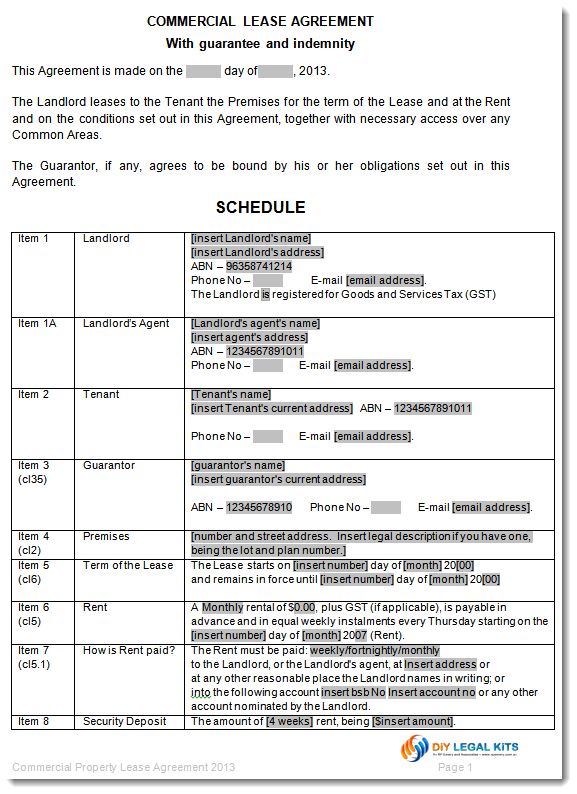
Commercial Lease Renewal Agreement Template
Navigating the complexities of commercial real estate involves a multitude of legalities, and one of the vital documents in this realm is the commercial lease...
Renew Your Perfect Fit: Expert Tips for Commercial Lease Agreement Renewal
When your business has outgrown its current space or your lease is approaching its expiry, understanding the nuances of commercial lease agreement renewal...

Renew Your Toronto Commercial Lease: Ontario's Top Tips
Renewing a commercial lease in Ontario can be a complex process, but it needn't be daunting. With the right knowledge and a well-crafted commercial lease...
BC Commercial Lease Agreement Template
A well-crafted BC commercial lease agreement template is an essential tool for businesses looking to secure prime retail or office space in British Columbia...

Ontario's Essential Guide: Sample Lease Agreement
When it comes to leasing commercial properties in Ontario, it's essential to understand the intricacies of a sample commercial lease agreement. This critical...

Commercial Lease Intent Template
A commercial letter of intent to lease (LOI) template is a crucial document in commercial real estate transactions, outlining terms and conditions for a...