Solar Panel Components: A Comprehensive Breakdown
Solar panels, the symmetrical arrays of photovoltaic cells that adorn our rooftops and power stations, are the unsung heroes of the clean energy revolution. But what exactly makes up these silent, sun-worshipping powerhouses? Let's dive into the components of solar panels and shed some light on their inner workings.
At their core, solar panels are composed of several key elements, each playing a vital role in converting sunlight into electricity. These components can be broadly categorized into two types: photovoltaic (PV) cells and the mounting equipment. Let's explore each of these in detail.
Photovoltaic (PV) Cells: The Heart of Solar Panels
The heart of any solar panel is the photovoltaic cell, a semiconductor device that undergoes a phenomenon known as the photoelectric effect. When sunlight hits these cells, it displaces electrons, generating an electric current. But what are these cells made of, and how do they achieve this feat?


Most PV cells are made from silicon, a semiconductor material that, when exposed to light, allows electrons to flow freely. These cells arecoming in two types: monocrystalline and polycrystalline. Monocrystalline cells are made from a single silicon crystal, giving them a uniform appearance and higher efficiency. Polycrystalline cells, on the other hand, are made from multiple silicon crystallites, resulting in a less uniform, polycrystalline structure. Both types, however, share the same fundamental working principle and are encapsulated in protective layers to ensure durability.
Antireflective Coating
To maximize light absorption, PV cells are coated with an antireflective layer, usually made from an oxide or nitride material. This layer reduces the amount of sunlight that bounces off the cell surface, ensuring more photons are absorbed and converted into electricity.


Imagine walking into a room with a dark, unmarked window. You'd struggle to see through it, right? That's because light reflected off the window's surface hampers your view. By contrast, a well-designed window allows light to pass through easily, illuminating the room. Antireflective coating on solar cells works in much the same way, increasing the amount of light that reaches and is absorbed by the silicon cells.
Back Surface Field (BSF)
To prevent electron recombination, a back surface field is applied to the rear side of the cell. This electrical field repels electrons, keeping them from recombining with holes and reducing the cell's efficiency. It's like erecting a barrier to prevent a useful resource from being wasted.
Think of it like a crowd control barricade at a concert. Without it, the crowd might surge forward, causing chaos and waste of space. But with it, the crowd stays orderly, maximizing the enjoyment for everyone. Similarly, the BSF keeps electrons flowing in the right direction, ensuring maximum energy extraction from the cell.


Mounting Equipment: Connecting Cells and Securing Panels
While PV cells are the star attractions, they need supporting cast members to deliver their performance. Mounting equipment, comprising frames, racking, and junction boxes, serves this purpose, securely housing the cells and facilitating their connection to the power grid.
Solar panels are encased in an aluminum frame, providing structural integrity and facilitating their interconnection. These frames tessellate seamlessly, allowing panels to interlock and form large arrays. Meanwhile, racking systems (Ground Mount, Roof Mount, etc.) secure the panels to their respective surfaces, ensuring they remain upright and facing the sun.
Junction Boxes
Junction boxes are the neural centers of solar panels, housing electrical connections and cables that transmit generated energy. These boxes protect connections from environmental elements and ensure safe, uninterrupted electricity flow.

Without junction boxes, the electrical connections in solar panels would be exposed to the elements, risking short circuits and power loss. They're the unsung heroes of the energy production chain, ensuring every bit of power generated by the cells reaches its destination.
Inverters
Finally, while not physically part of the solar panel, inverters deserve a mention. These devices convert Direct Current (DC) generated by solar panels into Alternating Current (AC), the preferred format for powering homes and feeding into the grid.
Imagine trying to power your home or office with DC alone - it's simply not feasible. Inverters play the crucial role of translator, enabling solar power to integrate seamlessly with our existing electrical infrastructure.
In essence, solar panels are marvels of modern engineering, combining semiconductors, optics, and human ingenuity to turn sunlight into a usable form of energy. As we collectively journey towards a sustainable future, understanding and harnessing the power of these components will be paramount.
Related Articles

Average Size of Roof Solar Panels: Breaking Down the Typical Dimensions
When contemplating the switch to solar power, one of the first questions that pops up is likely: what exactly is the size of a typical solar panel? This sizing...

The Average Size of Solar Panels: A Detailed Look
Are you curious about the average size of a solar panel? Understanding the dimensions of these photovoltaic (PV) modules can help you determine how many you'll...
Unveiling the Magic Inside: How Solar Panels Work
Imagine capturing sunlight and transforming it into clean, usable energy - that's the magic of solar panels. But what exactly happens inside these silent...

Solar Panel Size in Inches: A Detailed Breakdown
When it comes to solar panels, size matters, as it directly influences the energy output, cost, and installation process. But how big are solar panels...
Understanding Solar Systems: Key Components of a Solar Panel
A solar panel system is a key component in harnessing the clean, renewable energy from the sun, reducing our reliance on fossil fuels and minimizing our carbon...
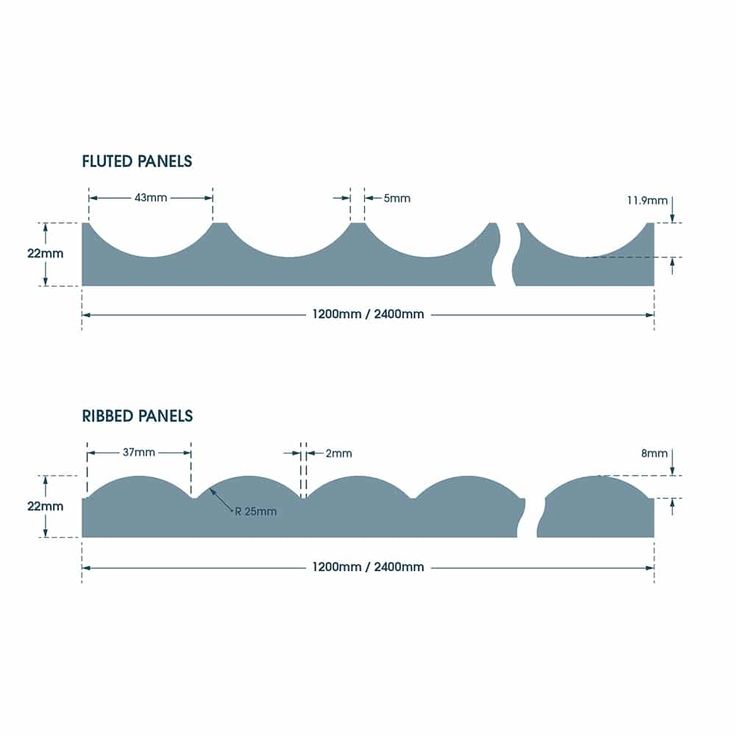
Standard Size of Fluted Panels: A Comprehensive Guide
When architectural or construction projects require division into panels, one popular choice is fluted panels. These panels offer both aesthetic appeal and...