Standard Size of Fluted Panels: A Comprehensive Guide
When architectural or construction projects require division into panels, one popular choice is fluted panels. These panels offer both aesthetic appeal and functional benefits, but one question often arises - what is the standard size of a fluted panel?
In the world of architectural panels, sizes can vary greatly depending on the manufacturer, project requirements, and local building codes. However, there are some industry standards that provide useful guidelines when discussing fluted panels.
Understanding Fluted Panels
antes setting the standard size, let's first understand what we mean by 'fluted'. Fluted panels are characterized by their vertical or horizontal grooves, giving them a textured, aesthetically pleasing look. These grooves can enhance the panel's strength and durability, making fluted panels a popular choice for various applications, from cladding to partitioning.
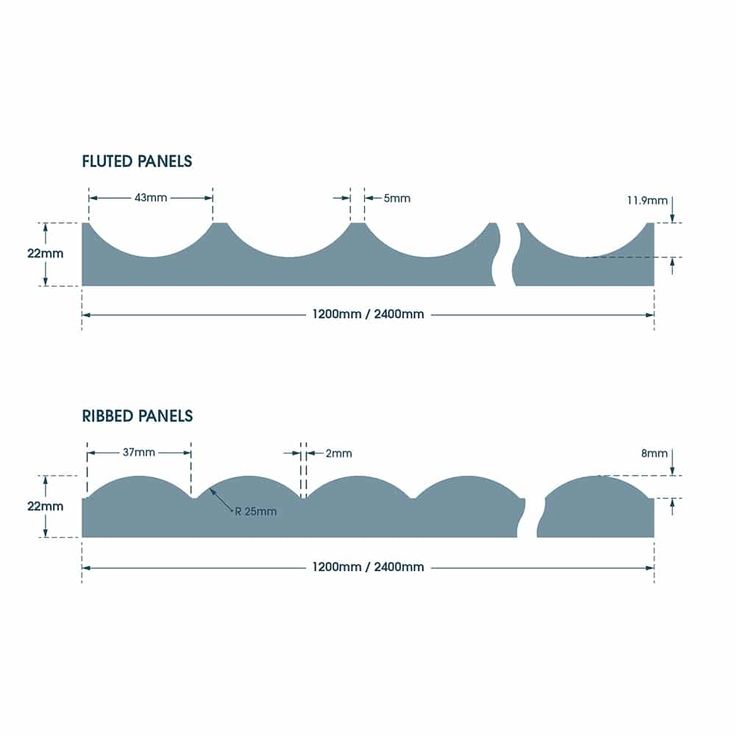


Fluted panels are typically made from products like plywood, fiber cement, or metal, each with its own size constraints. For example, plywood panels typically come in 4' x 8' (1220mm x 2440mm) sheets, while metal panels might come in smaller, more manageable sizes.
Standard Sizes for Plywood Fluted Panels
In the case of plywood, the standard size for fluted panels, as with unfluted panels, is 4' x 8'. However, these can be cut down to size to suit specific needs. The thickness of these panels can range from 1/4" (6mm) to 1" (25mm), with 1/2" (12mm) being a common choice for fluted panels due to the depth of the fluting.


Here are some common sizes for plywood fluted panels:
- 4' x 8' (1220mm x 2440mm)
- 4' x 4' (1220mm x 1220mm)
- 2' x 8' (610mm x 2440mm)
- 2' x 4' (610mm x 1220mm)
Standard Sizes for Metal Fluted Panels
Metal fluted panels, often made of steel or aluminum, come in various standard sizes, which can depend on the manufacturer. For instance, some manufacturers might offer 3' x 5' (915mm x 1525mm) or 4' x 8' (1220mm x 2440mm) panels. The thickness can range from 16-gauge to 24-gauge.


Here's an example of standard sizes for metal fluted panels:
| Width | Length |
|---|---|
| 3' (915mm) | 5' (1525mm) |
| 4' (1220mm) | 8' (2440mm) |
The Role of Project Requirements
The 'standard' size of a fluted panel can also depend on the specific needs of the project. For instance, a project requiring larger panels might settle for a larger size, despite panels of that size not being standard.
Additionally, building codes and regulations can influence the size of panels. For example, some codes might limit panel size based on safety or structural concerns. Therefore, it's crucial to check local building codes and consult with professionals before settling on a size.
The Impact of Pattern Size on Panel Size
The size of the fluting pattern (the width and depth of the grooves) can also influence the overall size of the panel. A deeper fluting pattern might necessitate a thicker panel, which could then dictate the overall dimensions of the panel.
For instance, a panel with a 1/2" (12mm) thick substrate might accommodate a deeper fluting pattern than a 1/4" (6mm) thick panel. Therefore, the 'standard' size of a fluted panel can vary based on the desired pattern size.
Ultimately, the standard size of a fluted panel can depend on a variety of factors, from the material used to the specific needs of the project. However, understanding the typical sizes available can help in planning and executing a project more efficiently.
Related Articles

Determine the Perfect Electrical Panel Size: A Comprehensive Guide
When it comes to selecting an electrical panel for your home or business, understanding the various sizes available is crucial. The size of an electrical panel...

Material Composition of Fluted Wall Panels: A Comprehensive Guide
Fluted wall panels, also known as ribbed or grooved panels, are architectural elements that add depth and texture to surfaces. But what exactly are they made...

Fluted Panel Size in Inches: A Comprehensive Guide
When it comes to architectural design or home improvement, understanding the size and dimensions of various elements is crucial. One such element that often...

What's the Size of Fluted Panels?
The size of a fluted panel is a critical specification in architecture and design, influencing everything from aesthetics to structural integrity. It's a term...

Standard Sizes for Fluted Wall Panels
In the realm of interior design and construction, fluted wall panels have emerged as a versatile, stylish, and functional element. Their distinct vertical...

What's the Standard Size of Solar Panels in 2023
The standard size of a solar panel might vary depending on the type, brand, and model. However, when discussing residential and commercial solar installations...