What's the Size of Fluted Panels?
The size of a fluted panel is a critical specification in architecture and design, influencing everything from aesthetics to structural integrity. It's a term that often puzzles those outside the industry, so let's break down what it means and why it matters.
In simple terms, a fluted panel is a decorative architectural element that features a series of parallel grooves or flutes cut into its surface. The size of these fluted panels refers to their dimensions, primarily their length and width, but also their flute spacing and depth. The size can vary greatly depending on the application, from small panels used in interior design to expansive ones used in monumental facades.
Standard Sizes of Fluted Panels
Fluted panels come in standard sizes to facilitate construction and meet architectural needs. These sizes are often specified in metrical units, such as millimeters or centimeters, and can vary by region and manufacturer.

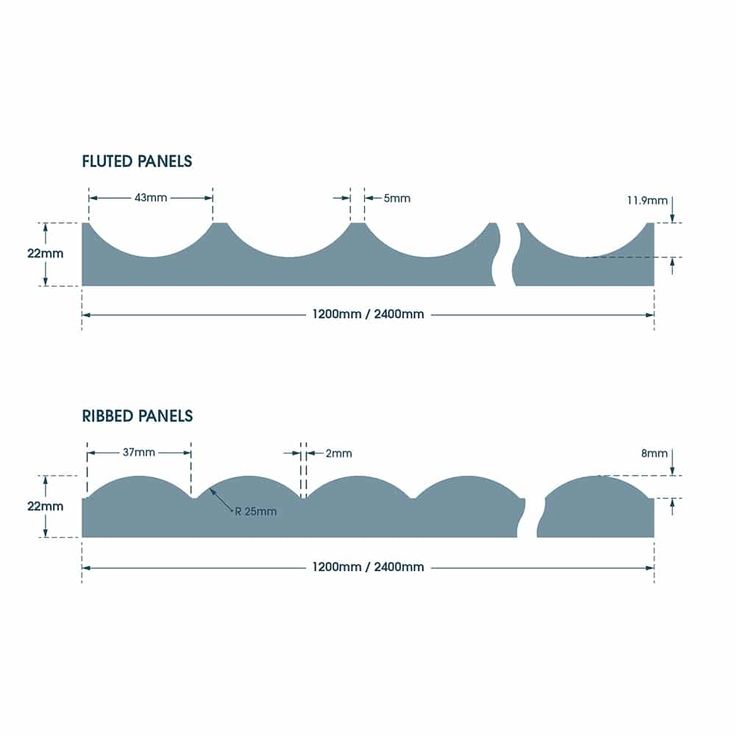

Common standard sizes include:
- 300mm x 300mm
- 400mm x 400mm
- 600mm x 600mm
- 900mm x 900mm
Custom Sizes
While standard sizes are widely available, architectural projects often require non-standard dimensions. Custom sizes are made to order, allowing for precise fits and unique aesthetic effects.


Custom sizes can be as small as a few centimeters or as large as several meters, limited primarily by manufacturing capabilities and transportation logistics. They may be specified to coordinate with other design elements, to achieve specific patterns, or to meet unusual structural requirements.
Factors Affecting Fluted Panel Size
The size of fluted panels can be influenced by various factors, including the material used, the intended application, and regional building codes.
For instance, panels made from lightweight materials like aluminum or expanded metal may be larger than those made from heavier materials like concrete or stone. Similarly, panels used in interior design may be smaller and more intricate than those used in exterior cladding, which often need to withstand weather and wind loads.


Flute Spacing and Depth
In addition to length and width, the size of a fluted panel also encompasses its flute geometry. Flute spacing, measured center-to-center, and flute depth, measured from the panel surface to the bottom of the flute, can significantly impact the final appearance and performance of the panel.
Narrower flute spacing and deeper flutes can create a more dramatic effect, while wider spacing and shallower flutes may be more subtle. The flute geometry can also affect the panel's strength, with deeper flutes providing more rigidity.
Understanding the size of fluted panels is crucial for architects, designers, and builders alike. It allows them to create visually harmonious, structurally sound, and technically feasible designs. Whether you're specifying standard or custom sizes, the right panel size can elevate a project from ordinary to extraordinary.

Related Articles

What's the Size of PVC Ceiling Panels in Inches
The size of PVC ceiling panels, typically measured in inches, is a crucial aspect to consider when planning your renovation or construction project. The...
Standard Size of Fluted Panels: A Comprehensive Guide
When architectural or construction projects require division into panels, one popular choice is fluted panels. These panels offer both aesthetic appeal and...

What's the Standard Size of Solar Panels in 2023
The standard size of a solar panel might vary depending on the type, brand, and model. However, when discussing residential and commercial solar installations...
What's WPC Fluted Panel Size?
The question 'What is the size of a WPC fluted panel?' might seem straightforward, but the answer isn't as simple as it seems. WPC, or Wood Plastic Composite...

Average Size of Roof Solar Panels: Breaking Down the Typical Dimensions
When contemplating the switch to solar power, one of the first questions that pops up is likely: what exactly is the size of a typical solar panel? This sizing...

What's the Size of a Standard Heras Fence Panel?
The size of a standard Heras fence panel is a common query among property owners and fence installers alike. This barrier, often used for temporary or...