Material Composition of Fluted Wall Panels: A Comprehensive Guide
Fluted wall panels, also known as ribbed or grooved panels, are architectural elements that add depth and texture to surfaces. But what exactly are they made of? Understanding the materials used in manufacturing these panels is crucial for their installation, maintenance, and long-term durability. Let's delve into the world of fluted wall panels and explore the materials that make them what they are.
At their core, fluted wall panels are typically composed of one of three primary materials: metal, fiber cement, or wood. Each material provides unique advantages and has its own story to tell.
Metal Fluted Wall Panels
Mainly produced from steel or aluminum, metal fluted wall panels offer durability, longevity, and minimal maintenance.


Steel panels, often galvanized to prevent rust, provide a robust, rigid surface that can withstand harsh weather conditions. On the other hand, aluminum panels offer excellent corrosion resistance and are lighter in weight, making them easier to handle and install.
Steel Fluted Wall Panels
Steel fluted wall panels are highly resistant to physical damage and can maintain their structure even in high-traffic areas. They are often used in commercial and industrial settings due to their strength and durability.


A popular choice is galvanized steel, which undergoes a protective zinc coating process to inhibit rust formation.
Aluminum Fluted Wall Panels
Aluminum panels are lightweight, making them easier to install and a preferred choice for projects where load-bearing capacity is a concern.
These panels are typically finished with a durable powder coating or anodization for enhanced weather resistance and aesthetic appeal.


Fiber Cement Fluted Wall Panels
Fiber cement is a composite material combining cement, sand, and cellulose fibers. This blend results in panels that mimic the look of natural wood without the drawbacks of high maintenance.
Fiber cement fluted wall panels are robust, weather-resistant, and require little upkeep. They are often used in outdoor cladding and are favored for their staying power in tough environments.
Advantages of Fiber Cement
The primary advantage of fiber cement is its ability to mimic wood's grain and textural characteristics without the rot, warp, or insect damage associated with wood.

Fiber cement panels also hold paint well, allowing for a wide range of color options and ease of updating the look of a space over time.
Versatility in Design
Fiber cement fluted wall panels come in a variety of profiles and colors, providing designers and architects with numerous possibilities for creative expression. They can be cut and worked like wood, accommodating intricate design details and patterns.
Moreover, fiber cement panels are often offered withLowozygous certification, making them an eco-friendly choice for projects seeking green building credits.
Wood Fluted Wall Panels
For warmth and natural elegance, wood fluted wall panels remain a timeless choice. Available in various species and styles, wood offers a unique blend of beauty and functionality.
However, wood panels require more maintenance than their metal or fiber cement counterparts, typically needing periodic refinishing to protect against the elements and maintain their appearance.
Applications of Wood Panels
Wood fluted wall panels are popular in residential and light commercial projects, adding a touch of class and sophistication to interiors or exteriors.
Commonly used species include maple, cherry, oak, and pine, each offering a distinct grain pattern and hue that contributes to the overall aesthetic of a space.
Engineered Wood vs. Solid Wood
When selecting wood fluted wall panels, you'll encounter engineered wood and solid wood options. Engineered wood consists of plywood or particleboard cores with a thin wood veneer, while solid wood is entirely wood.
Engineered wood offers improved stability and resistance to shrink and expand, whereas solid wood provides better durability and aesthetic appeal.
In conclusion, the material choice for fluted wall panels significantly impacts their durability, maintenance requirements, and aesthetic appeal. Whether you're seeking the strength of metal, the resilience of fiber cement, or the warmth of wood, understanding the materials at play ensures the best selection and long-term success of your project.
Related Articles

Acoustic Wall Panels: Composition & Materials
Acoustic wall panels, integral to modern architecture and interior design, are not merely decorative; they play a crucial role in enhancing the acoustic...
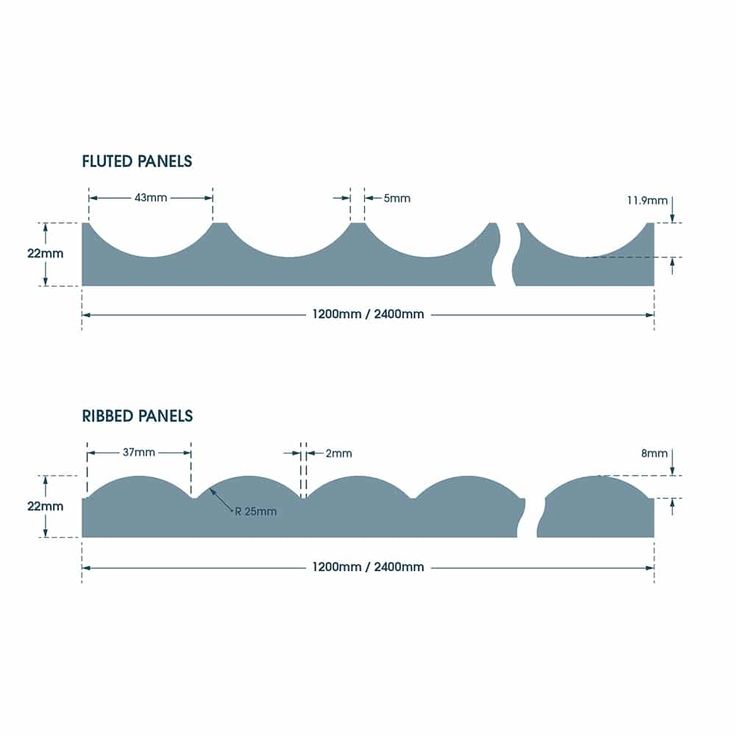
Standard Size of Fluted Panels: A Comprehensive Guide
When architectural or construction projects require division into panels, one popular choice is fluted panels. These panels offer both aesthetic appeal and...

Material of Boots: A Comprehensive Guide
Boots are a staple in our wardrobes, providing protection, comfort, and style. But have you ever wondered about the material they're made of? Let's delve into...

Determine the Perfect Electrical Panel Size: A Comprehensive Guide
When it comes to selecting an electrical panel for your home or business, understanding the various sizes available is crucial. The size of an electrical panel...

3D Wall Panels: Composition Unveiled
3D wall panels, transforming the humble wall into a striking feature, come in a variety of materials to cater to different styles and budgets. But what are...

Composition of Coats of Arms: A Comprehensive Guide
A coat of arms is a unique heraldic badge consisting of a shield, helmet, and sometimes other elements, representing an individual, family, or institution...