Determine the Perfect Electrical Panel Size: A Comprehensive Guide
When it comes to selecting an electrical panel for your home or business, understanding the various sizes available is crucial. The size of an electrical panel refers to its amperage rating, which determines the total amount of electricity it can safely handle. In this guide, we'll delve into the different electrical panel sizes, their uses, and how to choose the right one for your needs.
Electrical panels are measured in amps, abbreviated as 'A'. The most common electrical panel sizes range from 100 to 400 amps. However, panels as small as 50 amps and as large as 6000 amps are also available for specific applications.
Residential Electrical Panels
Residential homes typically require electrical panels with a capacity of 100 to 200 amps. The most common sizes are 100, 150, and 200 amps.


Smaller panels, such as 50 or 60 amp panels, are usually found in older homes and may not have enough capacity to serve the electrical needs of a modern household. If you have a 50 or 60 amp panel, it's recommended to upgrade to a 100 or 200 amp panel to ensure safe and reliable electrical service.
100 Amp Panels
A 100 amp panel is sufficient for smaller homes with fewer electrical appliances and devices. It's ideal for homes with one or two beds, located in areas with milder climates and lower energy usage.


Here's an example of a typical 100 amp panel layout: 8 - 125V, 20A circuits; 2 - 240V, 15A circuits; 1 - 240V, 30A circuit for the range; 1 - 240V, 50A circuit for the dryer and hot tub; and 2 - 120/240V, 50A circuits for the electric oven and water heater.
200 Amp Panels
A 200 amp panel is the most common size for standard, modern homes. It can serve a larger household with multiple appliances and devices, such as central air conditioning, electric heat, and a hot tub.
Here's an example of a typical 200 amp panel layout: 12 - 125V, 20A circuits; 2 - 240V, 15A circuits; 1 - 240V, 30A circuit for the range; 1 - 240V, 50A circuit for the dryer and hot tub; 2 - 120/240V, 50A circuits for the electric oven and water heater; 1 - 240V, 60A circuit for the electric range; and 1 - 120/240V, 75A circuit for an electric vehicle charger.


Commercial and Industrial Electrical Panels
Commercial and industrial facilities require larger electrical panels, ranging from 300 to 6000 amps or more, to meet their significant power demands.
Panel sizes in this range are typically found in businesses, offices, shops, schools, hospitals, and factories. They can power heavy-duty machinery, lighting systems, air conditioning, and other high-load equipment.
400 Amp Panels
A 400 amp panel is the smallest option for small to medium-sized commercial and industrial buildings. It can serve multiple units in apartment complexes, small retail stores, and workshops.

Here's an example of a typical 400 amp panel layout: 16 - 125V, 20A circuits; 4 - 240V, 15A circuits; 2 - 120/240V, 30A circuits for two ranges; 2 - 120/240V, 50A circuits for dryers and hot tubs; and 1 - 120/240V, 75A circuit for an electric vehicle charger.
600 to 4000 Amp Panels
Electrical panels with capacities ranging from 600 to 4000 amps are designed for larger commercial and industrial applications. These panels can serve multiple buildings, high-rise apartments, manufacturing plants, and large retail stores.
Panels in this size range are typically custom-built with complex wiring and specialized circuit breakers to handle the immense power demands of their respective facilities. They may also include additional features such as grounding, transfer switch mechanisms, and remote monitoring systems.
When selecting an electrical panel, it's crucial to consider your power needs, both current and future. Consulting with a professional electrician or electrical engineer is recommended to ensure you choose the right panel size for your specific requirements. They can assess your load calculations, consider code requirements, and provide tailored advice to keep your electrical system safe and efficient.
Related Articles
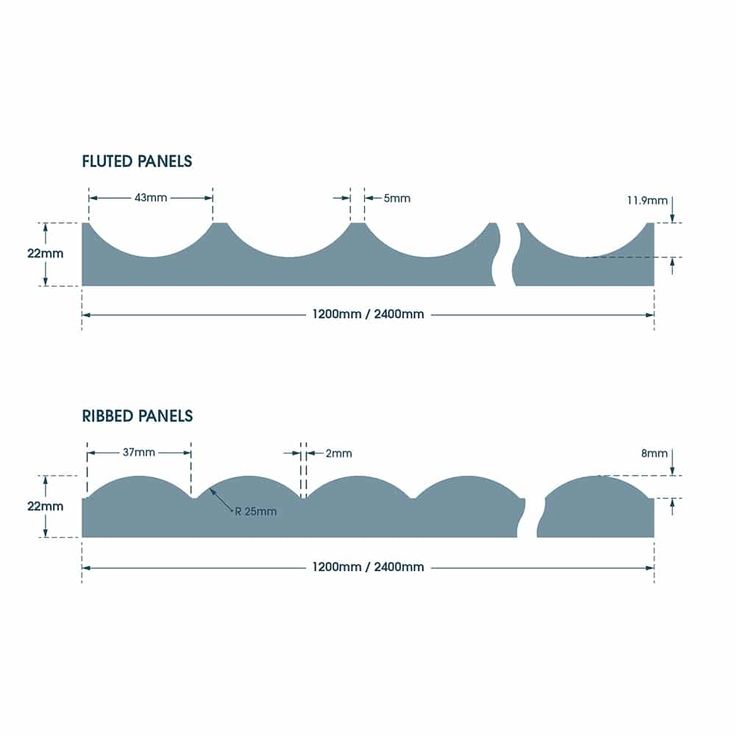
Standard Size of Fluted Panels: A Comprehensive Guide
When architectural or construction projects require division into panels, one popular choice is fluted panels. These panels offer both aesthetic appeal and...

"Tumbler Sizes: A Comprehensive Guide"
When it comes to choosing the right drinkware for your everyday use, tumblers are a popular and practical choice. But with a variety of sizes available, it can...

Determine Your Perfect Surfboard Leash: A Size Guide
When it comes to selecting the perfect surfboard leash, the size of the leash is a crucial factor that often goes overlooked. A properly sized surfboard leash...

Average Size of Roof Solar Panels: Breaking Down the Typical Dimensions
When contemplating the switch to solar power, one of the first questions that pops up is likely: what exactly is the size of a typical solar panel? This sizing...

What Size Cruiser Wheels for Your Skateboard: A Comprehensive Guide
Choosing the right size of cruiser wheels for your skateboard is crucial for a smooth, efficient, and fun skating experience. This decision not only impacts...

Types of Electrical Load: A Comprehensive Guide
Electrical loads are essential components of any electrical system that consume power for their operations. Understanding the types of electrical loads is...