Fixed Panels Explained: A Comprehensive Definition
A fixed panel, in the context of architecture and construction, refers to a non-movable, stationary section of a wall, roof, or other building component. It's a vital aspect of many structures and plays a crucial role in their design, functionality, and aesthetics.
Fixed panels are commonly found in a variety of building types, including residential homes, commercial properties, and industrial facilities. They serve multiple purposes, from structural support to aesthetic enhancement, making them a vital component in construction projects worldwide.
Understanding Fixed Panels
At the most fundamental level, fixed panels are sections of a building's surface that do not open, close, or move in any way. Unlike windows, doors, or retractable roofs, fixed panels are securely fastened in place, providing stability and strength to the structure they're part of.


Fixed panels can be made from a variety of materials, depending on the specific needs of the building. Common materials include glass, steel, aluminum, wood, and composite materials like fiber cement or vinyl.
Glass Fixed Panels
Glass fixed panels are often used in modern and contemporary architectures to create an airy, light-filled space. They allow natural light to permeate the interior, enhancing the overall ambiance and reducing the need for artificial lighting during the day.


Glass fixed panels can be clear, tinted, or frosted, offering various degrees of privacy and light transmission. They can also be manufactured with special properties like UV protection or solar heat reduction, making them energy-efficient.
Fixed Panels in Façade Design
In the realm of architectural design, fixed panels play a significant role in the overall aesthetics of a building's façade. They can be used to create dramatic geometric patterns, intricate designs, or simple, clean lines that complement the structure's overall style.
Fixed panels can also be used to incorporate color and texture into a building's exterior, enhancing its curb appeal and helping it stand out in its surroundings.


Installation and Maintenance of Fixed Panels
The installation of fixed panels requires careful planning and execution to ensure they are securely fastened and correctly aligned with the surrounding structure. This process often involves precise measurements, cutting, and fitting of the panel, followed by secure attachment to the building's frame or substrate.
Once installed, fixed panels require minimal maintenance, as they do not have moving parts that can wear out or break. However, regular cleaning and inspection are necessary to ensure they remain secure, functional, and visually appealing.
Cleaning Fixed Panels
Regular cleaning helps maintain the appearance and lifespan of fixed panels. The cleaning method will depend on the material of the panel and any protective coatings it might have. For glass panels, a mixture of water and mild detergent can be used, followed by a thorough rinse and dry.

For other materials, it's best to follow the manufacturer's recommended cleaning methods to avoid damaging the surface. Power washing should be avoided, as it can weaken the seal or damage the panel.
Inspecting Fixed Panels
Periodic inspection of fixed panels can help identify potential issues early, preventing costly repairs or replacements. Cracks, chips, loose hardware, or signs of water damage should be addressed promptly to ensure the structural integrity of the panel and the building.
Professional inspection services can provide a comprehensive evaluation of the fixed panels, including an assessment of their installation, overall condition, and any potential problems that may arise.
Incorporating fixed panels into a building's design offers numerous benefits, from enhancing aesthetics to providing structural support. Whether you're planning a new construction project or renovating an existing property, understanding the role and effectiveness of fixed panels can help you create a space that's not only functional but also visually stunning.
Related Articles

Understanding Roof Panels: Definition & Key Types
Ever wondered about the components that make up the protective barrier over your head? A roof panel is a crucial part of this structure, playing a significant...
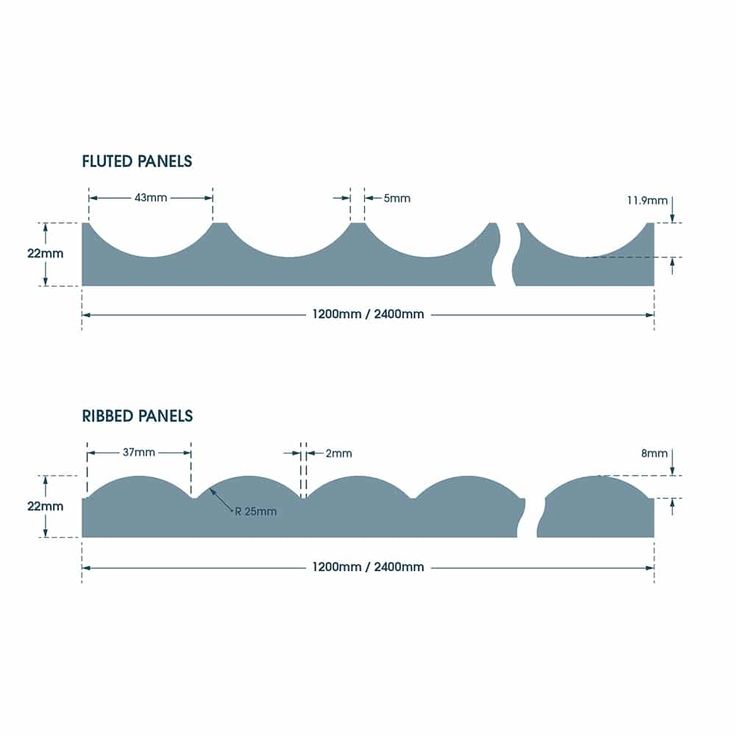
Standard Size of Fluted Panels: A Comprehensive Guide
When architectural or construction projects require division into panels, one popular choice is fluted panels. These panels offer both aesthetic appeal and...

Average Size of Roof Solar Panels: Breaking Down the Typical Dimensions
When contemplating the switch to solar power, one of the first questions that pops up is likely: what exactly is the size of a typical solar panel? This sizing...

Unveiling VA Panel & IPS Panel: A Comprehensive Comparison
As you delve into the world of technology, you may have come across various terms like VA Panel and IPS Panel. If you're struggling to understand what these...

Understanding Histograms: A Comprehensive Statistics Definition
In the realm of statistics, a histogram is an invaluable tool for data analysis and visualization. But what exactly is a histogram in statistics ? In this...

Types of Panel Boards: Comprehensive Guide
Electrical panel boards, integral components of modern electrical systems, come in various types, each designed to manage electrical currents and powers...