Renew Your Mortgage: Top Tips for Your Upcoming Renewal
Finding yourself at the end of your mortgage term can be an exciting time, as it presents an opportunity to reassess your financial situation and potentially secure better terms. But with so many options available, it can also feel overwhelming. Knowing what to do when your mortgage is up for renewal can save you money and provide the peace of mind that comes with making an informed decision.
Firstly, it's crucial to understand that your lender will likely offer you a renewal rate anywhere from four to six weeks before your mortgage term ends. However, just because you've been given a renewal figure doesn't mean you should accept it without considering all your options. Let's delve into what you should do when your mortgage is up for renewal.
Review Your Current Mortgage
Before reaching out to other lenders, take a step back and analyze your current mortgage. Understand the features of your current mortgage, such as the interest rate, amortization period, and penalties for early repayment.


A thorough review of your current mortgage will help you understand what you're getting into if you decide to stick with your present lender. It will also serve as a benchmark against which to measure offers from other lenders.
Evaluate Your Needs
Take this opportunity to assess your financial goals and lifestyle. Have your needs changed since you took out your mortgage? For instance, have you started a family and bought a bigger home? Or perhaps your income has increased, allowing you to put more towards your mortgage.


maybe now is the time to consider switching from a variable rate mortgage to a fixed rate. Or perhaps you're thinking of increasing your payments. Reflecting on these factors will help you make an informed decision that aligns with your current and future needs.
Shop Around
Once you're clear about your needs, it's time to start exploring your options. Check out the competition. Many banks, credit unions, and other lenders offer compelling rates and mortgage terms. A mortgage broker can be a valuable resource here, as they can compare rates from several lenders at once.
Don't forget to consider the numerous benefits of switching lenders. You might be able to negotiate a lower interest rate, secure more favorable terms, or even access perks like a cash rebate.


Negotiate With Your Current Lender
Before you decide to leave your current lender, it's worth trying to negotiate a better deal. Most lenders are willing to haggle and may offer you a lower rate or more favorable terms to keep your business.
If your lender knows you've been looking around, they might make a competitive offer to prevent you from leaving. But remember, you can always walk away if you're not satisfied with the deal. Never feel pressured to accept an offer that doesn't meet your needs.
Consider the Cost of Switching Lenders
While switching lenders can result in significant savings, it's essential to consider the potential costs. Many lenders charge fees for exiting your mortgage early. Additionally, there may be legal and administrative fees associated with setting up a new mortgage.

Make sure to factor these costs into your calculations. In some cases, it might be cheaper to stick with your current lender, even with a higher interest rate.
Review Your-rate Lock Options
If you've found a great deal with another lender but aren't ready to close the deal yet, consider asking for a rate hold. This allows you to lock in your interest rate for a certain period, typically 60 to 120 days, while you wrap up your affairs.
Rate holds can provide you with the security of knowing your interest rate won't change before you close your new mortgage. However, keep in mind that your new lender will likely charge a fee for this service, so be sure to ask about it upfront.
In finalizing your decision on what to do when your mortgage is up for renewal, always remember that your financial needs should dictate your choice. Don't be swayed by flashy promotions or low initial rates; instead, focus on the long-term impact of your decision. Whether you stay with your current lender or switch to a new one, make sure you're taking a step that sets you on a path towards financial stability and security.
Related Articles
Mortgage Renewal: Your Essential Guide & Top Tips
Your mortgage renewal period is an opportune time to re-evaluate your financial situation and explore new options. It's comparable to a car's annual service...

Renew vs. Refinance: The Key Differences
When it comes to managing your mortgage, you may have heard of two terms - renewal and refinancing. Both involve dealing with your mortgage, but they serve...

Pause Your Mortgage: What Happens Next?
The decision to pause a mortgage, often through a process called forbearance, can bring about significant changes in your financial landscape. While it...
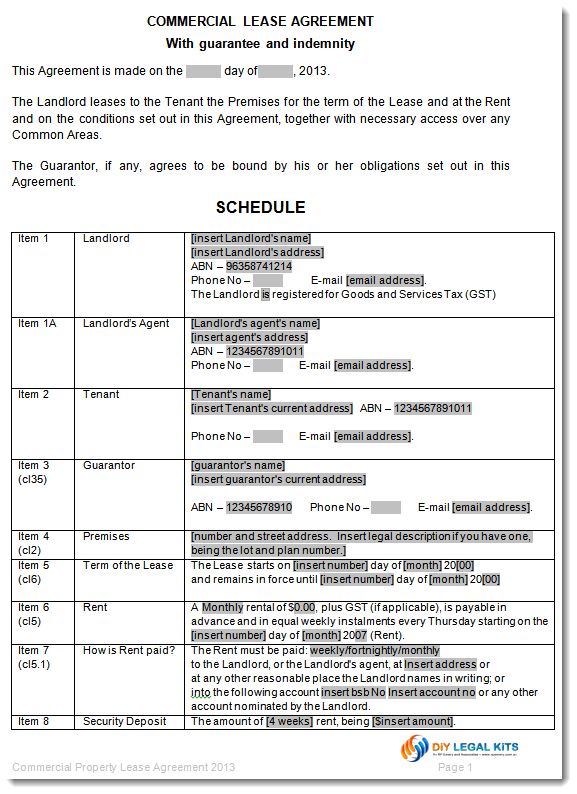
Renew Your Perfect Fit: Expert Tips for Commercial Lease Agreement Renewal
When your business has outgrown its current space or your lease is approaching its expiry, understanding the nuances of commercial lease agreement renewal...

Renew Your Toronto Commercial Lease: Ontario's Top Tips
Renewing a commercial lease in Ontario can be a complex process, but it needn't be daunting. With the right knowledge and a well-crafted commercial lease...

Renew Your Lease in Ontario: Expert Letter Template & Tips
Are you a tenant in Ontario, Canada, nearing the end of your lease agreement and unsure about the next steps? A lease renewal letter is a crucial document that...