What is the Size of PVC Fluted Panel?
When considering the dimensions of PVC fluted panels, it's important to understand that these panels come in various sizes to cater to different construction and renovation needs. PVC, or polyvinyl chloride, is a versatile material known for its durability, affordability, and low maintenance, making it a popular choice for a wide range of applications, from partitioning walls to roofing and cladding.
Determining the size of PVC fluted panels depends primarily on the size of the area you want to cover and the specific measurements of the space where the panels will be installed. However, it's also essential to consider the type of fluted pattern, as this can affect the overall appearance and performance of the panel.
Standard Sizes of PVC Fluted Panels
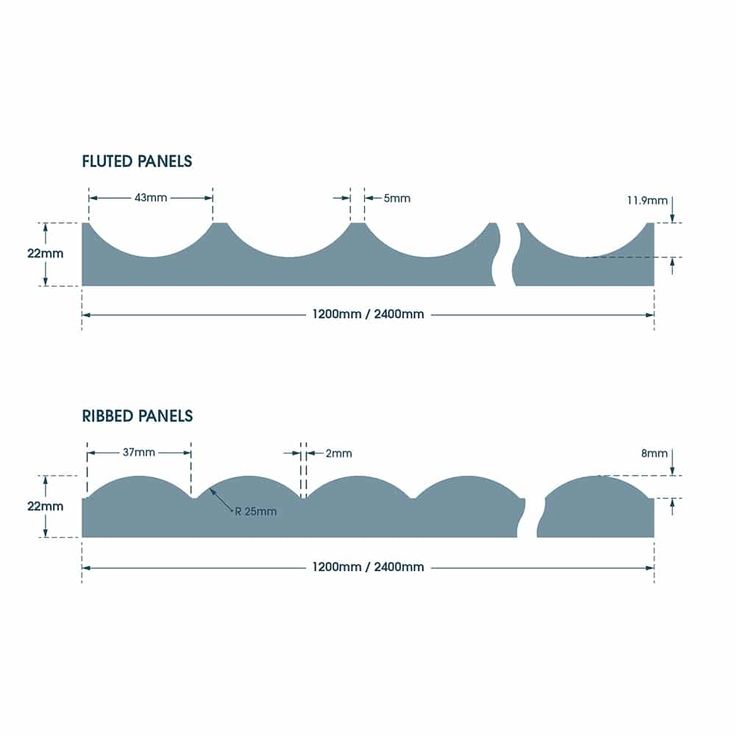
Most PVC fluted panels are available in standard sizes that can be easily measured and cut to fit specific spaces. These standard sizes are typically measured in width and length, with the thickness usually a fixed dimension for each panel type.


Standard widths for PVC fluted panels often range from 8 inches to 48 inches, while lengths can vary from 8 feet to 12 feet. However, some manufacturers might offer custom sizes or alternatives to these standard dimensions upon request, to better suit specific projects.
Width Variations
The width of a PVC fluted panel can significantly impact its application. Narrower panels, such as those in the 8-inch to 12-inch range, are ideal for creating dividers, room partitions, and other interior applications where a subtle, decorative touch is needed.


On the other hand, wider panels, typically between 24 inches to 48 inches, are perfect for large surface areas, cladding, and roofing projects. They provide broader coverage and can speed up installation time due to fewer panel joins required.
Length Variations
The length of a PVC fluted panel is another critical factor, especially when considering installation requirements. Longer panels, like those that come in 12-foot lengths, can reduce the number of joins needed for large areas, resulting in a more seamless and professional-looking finish.
Shorter panels, however, might be more practical for smaller spaces or when accessibility is an issue, as they can be easier to maneuver and install in confined areas.


Fluted Patterns and Their Role in Panel Size
The fluted pattern on PVC panels not only adds visual interest but also plays a role in determining the panel's size and suitability for various applications. Different fluted patterns can affect the panel's strength, insulation properties, and overall appearance.
Some of the most common fluted patterns include:
- U-channel flutes - These panels feature a U-shaped flute that runs vertically along the panel's length, providing good strength and dent resistance.
- V-channel flutes - V-channel flutes run horizontally across the panel's width, offering excellent drainage properties, making them ideal for outdoor applications and roofing.
- Combination flutes - These panels combine U-channel and V-channel flutes to provide the benefits of both patterns, resulting in a robust, versatile panel.
The Impact of Fluted Patterns on Panel Size
The fluted pattern can affect the panel's size, as some patterns might require a larger panel for the same surface area coverage compared to others. For example, panels with U-channel flutes may need to be wider to achieve the same level of insulation as those with V-channel flutes, which can significantly influence the panel's size.

Moreover, the depth and frequency of the flutes can also contribute to the overall size of the panel. Deeper and more frequent flutes can add bulk to the panel, which might make it more challenging to install in certain spaces. Therefore, it's essential to consider the fluted pattern when determining the size of PVC fluted panels for your project.
In essence, when selecting the size of PVC fluted panels for your project, careful consideration must be given to the specific dimensions required, the type of fluted pattern, and any installation constraints. It's always recommended to consult with a professional or the panel manufacturer to ensure you get the most suitable and cost-effective solution for your needs.
Related Articles

What's the Size of Fluted Panels?
The size of a fluted panel is a critical specification in architecture and design, influencing everything from aesthetics to structural integrity. It's a term...
Standard Size of Fluted Panels: A Comprehensive Guide
When architectural or construction projects require division into panels, one popular choice is fluted panels. These panels offer both aesthetic appeal and...
Fluted Panel Size in Inches: A Comprehensive Guide
When it comes to architectural design or home improvement, understanding the size and dimensions of various elements is crucial. One such element that often...
What's WPC Fluted Panel Size?
The question 'What is the size of a WPC fluted panel?' might seem straightforward, but the answer isn't as simple as it seems. WPC, or Wood Plastic Composite...

Average Size of Roof Solar Panels: Breaking Down the Typical Dimensions
When contemplating the switch to solar power, one of the first questions that pops up is likely: what exactly is the size of a typical solar panel? This sizing...

What's the Size of a Standard Heras Fence Panel?
The size of a standard Heras fence panel is a common query among property owners and fence installers alike. This barrier, often used for temporary or...